

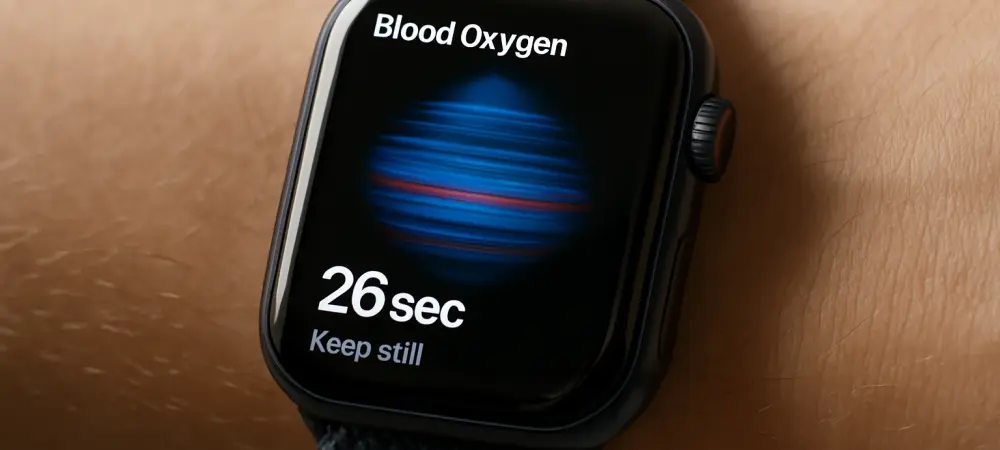
Imagine a world where a simple wrist device can alert you to potential health issues before they become critical, measuring vital signs like blood oxygen levels with just a tap. This is the promise of wearable health technology, and Apple has been at the forefront with its Apple Watch, though this groundbreaking feature, known as SpO2 tracking, has landed the tech giant in a heated legal battle. It raises questions about innovation, intellectual property, and consumer access to life-saving tools. What happens when cutting-edge technology collides with patent disputes? This review explores the intricacies of the SpO2 feature in Apple Watch models, dissecting its capabilities, the surrounding controversy, and its impact on the wearable tech landscape.
Evolution and Functionality of SpO2 Tracking
Origins of Blood Oxygen Monitoring
The journey of SpO2 tracking in wearable devices marks a significant leap in personal health monitoring. Apple introduced this feature in select Apple Watch models to empower users with real-time insights into their blood oxygen saturation levels, a critical indicator of respiratory health. By integrating advanced sensors and algorithms, the technology aimed to provide early warnings for conditions like sleep apnea or altitude-related issues, making it a valuable tool for fitness enthusiasts and health-conscious individuals alike.
This innovation wasn’t just about data collection; it represented a shift toward proactive healthcare. The feature allowed users to track trends over time, offering a glimpse into their well-being without the need for clinical equipment. Apple positioned this as a cornerstone of its health-focused ecosystem, blending seamlessly with other metrics like heart rate and activity levels to create a comprehensive health profile.
Technical Mechanics Behind the Feature
At its core, the SpO2 technology in Apple Watch relies on optical sensors that use light to measure blood oxygen levels through the skin. Red and infrared light pass through the wrist, detecting the color of blood to estimate oxygen saturation—a process known as photoplethysmography. Initially, the results were processed directly on the watch, providing instant feedback to users through a dedicated app interface.
Recent adaptations, however, have shifted this processing to the paired iPhone, with data displayed in the Health app. This change, implemented through an over-the-air update, reflects a strategic workaround to navigate legal constraints while maintaining functionality. The adjustment ensures that the hardware remains unchanged, yet the user experience is preserved through a slightly different delivery method, showcasing Apple’s commitment to adaptability in the face of challenges.
Legal Battles Shaping the Technology
Patent Conflict with Masimo
The path to delivering SpO2 tracking has not been without obstacles, primarily due to a high-stakes patent dispute with Masimo, a medical technology company. Masimo has accused Apple of infringing on its proprietary technologies related to blood oxygen measurement, claiming that core aspects of the Apple Watch feature mirror their patented innovations. This clash led to a significant ruling in January of the prior year, which temporarily disabled the SpO2 functionality in the US market to avoid an import ban.
The dispute highlights a broader tension in the tech industry: the fine line between inspiration and infringement. Masimo argues that protecting intellectual property is essential for fostering innovation, especially for smaller companies that rely on patents to safeguard their research. Meanwhile, Apple’s efforts to restore the feature underscore the demand for such health tools among consumers, placing the company in a delicate balancing act between compliance and customer expectations.
Regulatory Twists and Responses
In a notable turn of events, Apple reinstated the SpO2 feature through a software update on August 14 of the previous year, following a reversal by the US Customs and Border Protection of the earlier import restriction. This decision allowed the company to bypass the patent issue temporarily by altering how data is processed, though it did not go unchallenged. Masimo swiftly responded by filing a lawsuit against the Customs and Border Protection, alleging that the reversal lacked proper justification and undermined their legal protections.
This ongoing legal skirmish reveals the complexities of regulatory oversight in technology disputes. The involvement of government bodies adds another layer of uncertainty, as rulings can shift based on interpretations of patent law and trade policies. For Apple, navigating these waters requires not only technical ingenuity but also a robust legal strategy to ensure the feature remains accessible to users in key markets.
Performance and Real-World Impact
User Experience with SpO2 Monitoring
From a user standpoint, the SpO2 feature offers a blend of convenience and insight that few other wearables match. When active, it provides periodic measurements throughout the day and night, alerting users to abnormal readings that might warrant medical attention. This capability has proven especially useful for individuals with respiratory conditions or those engaging in high-altitude activities, where oxygen levels can fluctuate significantly.
Despite the legal interruptions, feedback from users indicates a strong appreciation for the feature’s integration into daily health routines. The shift to iPhone-based processing has not noticeably diminished the experience for most, though it requires a paired device to view results, which could be a minor inconvenience for some. Overall, the technology stands as a testament to how wearables can bridge the gap between personal monitoring and professional healthcare.
Industry Implications and Competitive Edge
Beyond individual use, the SpO2 feature has broader implications for the wearable tech sector. It sets a benchmark for what consumers expect from smartwatches, pushing competitors to develop similar or superior health-tracking tools. Apple’s persistence in maintaining this functionality, despite legal hurdles, signals to the market that health features are not just add-ons but essential components of modern wearables.
This focus on advanced health metrics also intensifies competition, as companies race to innovate while avoiding patent pitfalls. The outcome of Apple’s dispute could influence how future technologies are developed, potentially encouraging more collaborative approaches to intellectual property or, conversely, more aggressive legal defenses. The ripple effects are likely to shape product roadmaps across the industry for years to come.
Challenges and Limitations
Navigating Legal and Ethical Dilemmas
Apple faces significant hurdles in sustaining the SpO2 feature amid ongoing legal challenges. Patent law, often a labyrinth of technicalities and precedents, poses a constant threat of further restrictions or bans. Additionally, the involvement of regulatory bodies like the US Customs and Border Protection introduces unpredictability, as decisions can sway based on political or economic factors beyond the company’s control.
Ethically, the dispute raises questions about access to health technology. While Apple aims to deliver cutting-edge tools to millions, Masimo’s stance emphasizes the importance of rewarding original innovation. Striking a balance between these perspectives is no easy task, and the resolution may set a precedent for how similar conflicts are handled in the tech world, impacting everything from product launches to consumer trust.
Potential Barriers to Innovation
The tension between innovation and patent enforcement could also stifle advancements in health wearables. If companies like Apple must repeatedly alter or disable features due to legal battles, the pace of technological progress may slow. Smaller innovators, while protected by patents, might find themselves unable to compete with giants who can afford protracted litigation or workarounds, creating an uneven playing field.
Moreover, consumer confidence could be affected if essential features remain in flux due to courtroom outcomes. The uncertainty surrounding SpO2 tracking serves as a reminder that even the most promising technologies can be derailed by systemic issues, prompting a need for clearer guidelines on intellectual property in rapidly evolving fields like health tech.
Final Thoughts on Apple Watch SpO2 Technology
Looking back, the saga of SpO2 tracking in Apple Watch models encapsulates a pivotal moment for wearable health technology. The feature itself proved to be a game-changer, offering users unparalleled access to vital health data, while the legal battles with Masimo exposed the fragility of innovation in a patent-driven landscape. Apple’s technical adaptations demonstrated resilience, yet the unresolved disputes left a shadow over the future of such advancements. Moving forward, stakeholders across the industry should consider collaborative frameworks to address patent concerns, perhaps through licensing agreements or joint development initiatives. For consumers, staying informed about potential feature changes and advocating for accessible health tools will be crucial. As the legal dust settles, the hope remains that technology can continue to prioritize user well-being over courtroom victories, paving the way for a healthier, more connected world.