

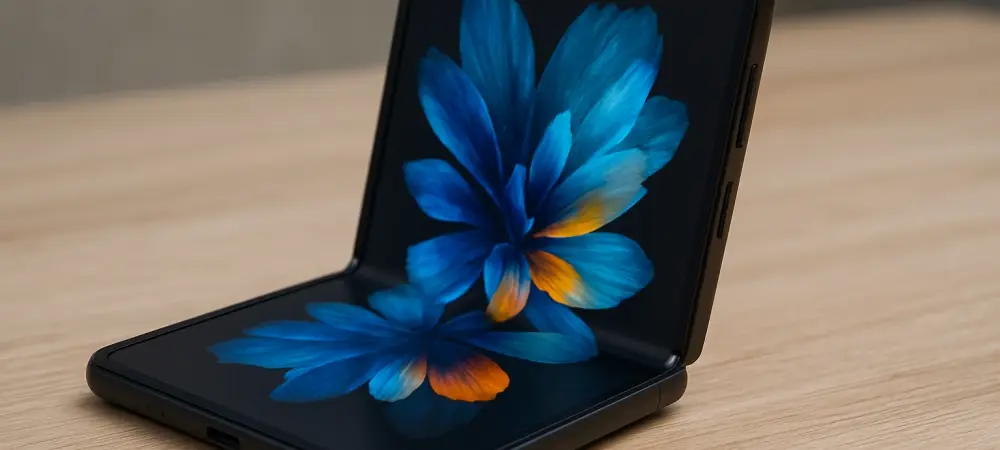
Setting the Stage for Foldable Revolution
In an era where smartphone innovation often seems reserved for premium price tags, foldable devices have emerged as a symbol of cutting-edge technology, once exclusive to high-end buyers. Yet, a seismic shift is underway as mid-range foldable smartphones break barriers, bringing futuristic designs and features to a broader audience. This transformation is not just about novelty; it represents a democratization of tech that could redefine how millions interact with their devices daily. The spotlight falls on devices like the Honor Magic V Flip 2, a clamshell foldable poised to challenge norms in this competitive segment.
This growing accessibility signals a pivotal moment for the industry, where affordability meets innovation. Mid-range foldables are no longer mere experiments but viable options for everyday consumers seeking value without compromise. This analysis dives into the rise of this segment, with a keen focus on Honor’s latest offering and its potential to reshape the market landscape alongside other key players.
Unpacking the Surge of Mid-Range Foldables
Explosive Growth and Market Dynamics
The foldable smartphone market has witnessed remarkable traction, with the mid-range segment projected to see significant expansion over the next few years. Industry reports from credible sources like Counterpoint Research suggest that shipments of foldable devices in this price bracket could grow by over 30% annually from now to 2027, driven by consumer demand for affordable yet feature-packed options. This surge reflects a broader trend toward cost-effective innovation, catering to users who prioritize practicality over prestige.
Unlike flagship models that often exceed $1,000, mid-range foldables target a sweet spot, balancing price and performance. This shift is fueled by a growing appetite for unique form factors like clamshell designs, which offer portability and style. The data underscores how manufacturers are responding to this demand by prioritizing accessibility, setting the stage for widespread adoption across diverse demographics.
Key Contenders and Real-World Examples
Evidence of this pivot is clear in offerings from major brands like Samsung, Motorola, and Xiaomi, each carving a niche in the mid-range foldable arena. Samsung’s Galaxy Z Flip7 FE, Motorola’s Razr 2025, and Xiaomi’s Mix Flip 2 exemplify how the industry is tailoring products to budget-conscious buyers without skimping on essential features. These devices highlight a strategic focus on delivering value, often incorporating robust displays and decent processing power at reduced costs.
Among these, Honor’s Magic V Flip 2 stands out with rumored specifications that push boundaries for its category. Boasting a 5,500mAh battery and 80W fast charging, it promises to outshine competitors in endurance and convenience, positioning Honor as a formidable player. This blend of standout specs at a potentially lower price point illustrates the competitive nature of this evolving market, where innovation is no longer confined to premium tiers.
Honor Magic V Flip 2: Redefining Expectations
Cutting-Edge Features for the Masses
Delving into the specifics, the Honor Magic V Flip 2 emerges as a potential game-changer with its impressive battery capacity, surpassing even some flagship clamshell foldables. The rumored 5,500mAh battery offers a significant edge over rivals, ensuring longer usage without frequent recharges. Coupled with 80W fast charging—a possible record for this form factor—it addresses a critical pain point for users, delivering speed and efficiency through USB-C connectivity.
However, a notable trade-off comes with its reported use of the Snapdragon 8s Gen 4 SoC, a sub-flagship chipset. While this may limit raw performance compared to top-tier processors, it aligns with a pricing strategy that could see the device retail between $599.99 and $899.99. This calculated balance of high-end features and cost-saving decisions underscores Honor’s intent to capture a wider audience seeking premium experiences at accessible prices.
Expert Insights on Strategic Positioning
Tech analysts have noted that Honor’s approach reflects a broader industry shift toward value-driven innovation. By prioritizing battery life and charging speed over cutting-edge processing power, the brand challenges the notion that mid-range devices must compromise on user experience. Industry experts suggest this strategy could pressure competitors like Samsung and Motorola to rethink their own offerings, potentially sparking a race to deliver more for less.
Furthermore, Honor’s focus on affordability without sacrificing key advancements might redefine consumer expectations in the foldable space. Analysts argue that such moves could accelerate adoption rates, especially among younger demographics and in emerging markets where price sensitivity remains high. This perspective highlights how strategic trade-offs can yield significant market influence, reshaping competitive dynamics.
Emerging Patterns in Foldable Design
Affordability as a Driving Force
Across the industry, a clear trend is emerging: manufacturers are targeting price-conscious consumers by embedding essential innovations into mid-range foldables. This approach prioritizes features that matter most to everyday users, such as extended battery life and rapid charging, over exorbitant hardware like top-tier chipsets. The result is a product category that feels premium without the prohibitive cost, broadening the appeal of foldable technology.
This focus on affordability does not mean a lack of ambition. Brands are finding ways to push technological boundaries, ensuring that even mid-range devices offer unique value propositions. By striking this balance, the industry is fostering a new wave of consumer interest, proving that foldables are not just a luxury but a practical choice for many.
Navigating Challenges and Seizing Opportunities
Despite the optimism, hurdles remain in convincing consumers about the reliability of mid-range foldables. Skepticism around performance trade-offs, particularly with less powerful processors, could deter some buyers. Additionally, durability concerns—especially with hinges and flexible displays—continue to linger, as these components must withstand daily wear at a lower price point.
On the flip side, significant opportunities await. Emerging markets present untapped potential, where affordable foldables could drive technology adoption on a massive scale. If manufacturers address durability and performance concerns through iterative improvements, mid-range foldables stand to redefine smartphone accessibility, creating a more inclusive tech landscape.
What Lies Ahead for Mid-Range Foldables
Innovations on the Horizon
Looking forward, the evolution of mid-range foldables promises exciting developments in critical areas like hinge mechanisms, display durability, and software optimization. Advances in materials could lead to more robust designs that withstand thousands of folds, while enhanced software might better leverage foldable form factors for multitasking. These incremental upgrades could further close the gap between mid-range and flagship offerings.
Speculation also surrounds how brands like Honor might integrate emerging technologies into future iterations. Enhanced battery technologies or refined charging systems could become standard, ensuring that affordability does not equate to obsolescence. As competition intensifies, the next few years may witness a rapid convergence of features across price segments, blurring traditional boundaries.
Lasting Impact on the Smartphone Ecosystem
The broader implications of this trend could reshape smartphone design philosophies and pricing strategies. As mid-range foldables gain traction, manufacturers might rethink resource allocation, focusing on innovations that deliver maximum consumer value. This could intensify market competition, pushing even flagship devices to justify their premium costs with truly groundbreaking features.
Moreover, the democratization of foldable tech stands to accelerate global adoption, bringing advanced capabilities to regions previously priced out of such advancements. However, risks like market saturation or quality inconsistencies with budget-focused models must be monitored. The trajectory suggests a dynamic future where accessibility and innovation go hand in hand, transforming how the industry operates.
Reflecting on the Path Forward
Looking back, the emergence of devices like the Honor Magic V Flip 2 marked a turning point in the mid-range foldable market, challenging established norms with standout features at accessible price points. This shift underscored a pivotal industry movement toward inclusivity in technology. As the landscape evolved, it became evident that such innovations held the power to transform consumer experiences on a global scale.
Moving ahead, stakeholders across the ecosystem—manufacturers, developers, and retailers—should focus on addressing lingering durability concerns and enhancing user education around foldable benefits. Collaborative efforts to refine designs and optimize software could solidify consumer trust. Ultimately, staying attuned to market needs and investing in sustainable advancements will ensure that this trend continues to thrive, paving the way for a more connected and innovative tomorrow.