

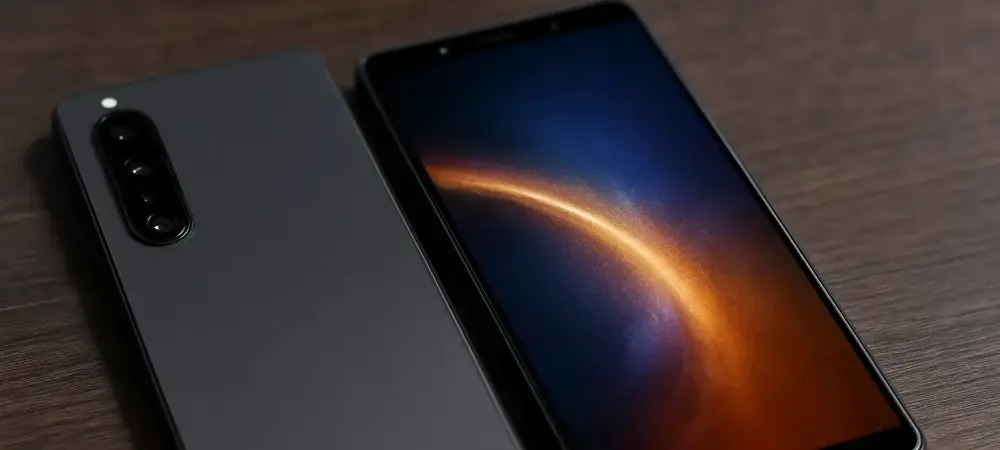
What does it take for a legacy tech giant to hold its ground in a smartphone market ruled by titans like Apple and Samsung? Sony, a name synonymous with innovation, finds itself at a crossroads with its Xperia line as speculation swirls about a potential exit. Yet, recent declarations from the company’s leadership paint a picture of defiance and determination, sparking intrigue about whether Xperia can still claim a meaningful slice of this hyper-competitive landscape.
Why Xperia Remains a Key Player for Sony
The smartphone industry is a battleground where even established players can falter, as seen with LG’s exit a few years back. Despite this, Sony clings to Xperia not merely for market share but for its symbolic and strategic weight. The line represents a legacy of technological prowess, a reminder of Sony’s pioneering spirit in consumer electronics that continues to resonate with a dedicated fan base.
Beyond nostalgia, Xperia serves as a critical link in Sony’s expansive tech ecosystem. Smartphones are more than devices; they’re a canvas for testing innovations that ripple across other sectors like imaging and audio. Losing this platform could mean surrendering a vital avenue for growth and relevance in an era defined by mobile connectivity.
The Strategic Role of Xperia in Sony’s Vision
Sony’s journey with smartphones has been rocky, marked by fluctuating sales and fierce competition. However, Xperia isn’t just about numbers on a balance sheet—it’s a cornerstone of the company’s identity as a leader in communication technology. This integration ensures that advancements in mobile tech feed into broader initiatives, from entertainment to professional tools.
Industry analysts point out that Sony’s persistence with Xperia reflects a calculated choice to maintain a foothold in a space that drives consumer trends. Even if flagship models don’t dominate globally, they keep Sony in the conversation, preserving brand visibility among tech enthusiasts and professionals who value niche features over mass appeal.
Decoding Sony’s Game Plan and Hurdles
Sony’s approach to Xperia unfolds with a mix of clarity and caution. During the earnings briefing on August 7, Chief Financial Officer Tao Lin reaffirmed the line’s importance, stating that smartphones are a “core segment” for driving innovation. This signals a commitment to staying in the game, even as challenges mount in penetrating key markets like the U.S.
The strategy appears to shy away from direct clashes with giants like Apple or Samsung, focusing instead on targeted segments. The upcoming Xperia 10 VII, slated for release in October under model XQ-FE44, hints at a push into mid-range offerings that could appeal to cost-conscious buyers. Yet, ambiguity surrounds other lines, such as the Xperia 5, with no confirmation on its revival, suggesting a streamlined rather than sprawling product focus.
Market struggles are evident, particularly with flagships like the Xperia 1 VII, which has faced lukewarm reception in some regions. Sony seems to be recalibrating, prioritizing areas where it can differentiate through unique features or pricing. This selective approach may limit scale but could carve out a sustainable niche if executed with precision.
Leadership’s Take on Xperia’s Future
Straight from the top, Sony’s leadership has sought to quash doubts about Xperia’s viability. Tao Lin’s comments during the recent earnings call were unequivocal: “Xperia remains a vital platform for innovation in our communication technologies.” This positions the smartphone line as an enabler of Sony’s larger mission, far beyond standalone gadget sales.
Such statements carry weight, especially amid persistent rumors of a market withdrawal. Industry observers note that Sony has a track record of adapting to adversity, often reinventing itself in challenging sectors rather than retreating. While details on specific models remain sparse, the overarching message is one of endurance and purpose.
This reassurance isn’t just for investors but also for a loyal customer base that values Sony’s distinct offerings. Leadership’s focus on innovation over sheer volume suggests a long-term vision, one that prioritizes quality and integration over immediate market dominance. It’s a stance that invites cautious optimism among stakeholders.
Implications for Fans and the Smartphone Landscape
For those invested in Xperia, Sony’s reaffirmed commitment offers practical insights. Attention should turn to mid-range devices like the anticipated Xperia 10 VII, which could deliver value if priced competitively and tailored to specific needs. Availability may remain limited in major markets like the U.S., so exploring regions with stronger Xperia presence might be necessary for enthusiasts.
From a broader industry perspective, Sony’s pivot offers a lesson in resilience. By framing smartphones as part of a larger tech narrative rather than isolated products, the company challenges the conventional focus on volume sales. This could inspire other brands facing similar struggles to rethink positioning, emphasizing ecosystem synergy over direct competition.
The ripple effects extend to consumers, who might benefit from Sony’s emphasis on unique features over mass-market appeal. If this strategy holds, it could foster a market segment where innovation trumps ubiquity, giving buyers more diverse options. For now, the trajectory of Xperia serves as a compelling case study in navigating a saturated field with grit and focus.
Reflecting on Sony’s Bold Stand
Looking back, Sony’s decision to stand by Xperia amidst swirling doubts spoke volumes about its resolve to remain a contender in the smartphone arena. Leadership’s vocal support, coupled with strategic hints at mid-range expansion, painted a narrative of adaptation rather than surrender. The journey of models like the Xperia 1 VII and uncertainties around others underscored a path of calculated risks.
Moving forward, the focus should shift toward monitoring how Sony balances niche innovation with broader accessibility. Exploring mid-range releases and regional strengths could offer fans and analysts alike a clearer picture of sustained viability. Ultimately, Sony’s next steps need to transform this reaffirmed commitment into tangible wins, ensuring Xperia’s legacy endures in a relentless market.