

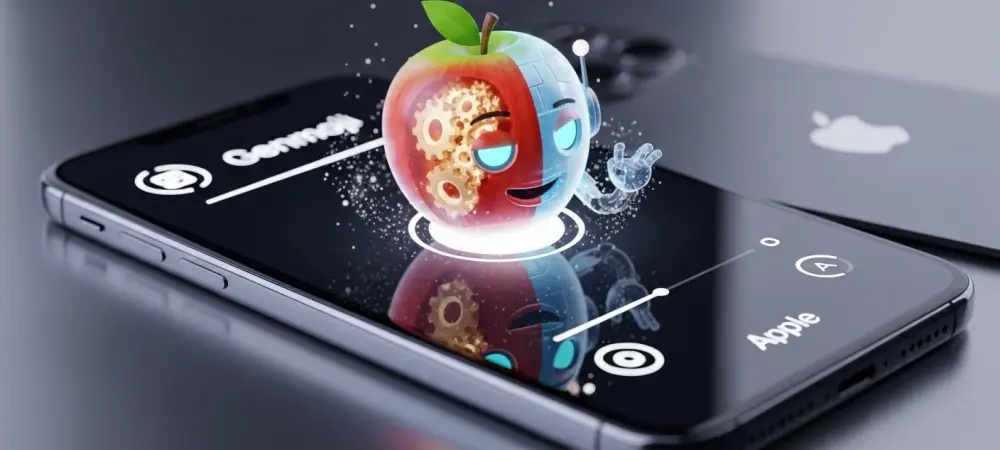
The technological landscape is currently witnessing a profound shift as Apple moves toward a future defined by proactive personalization within its digital ecosystem. As the integration of Apple Intelligence deepens, the upcoming release of iOS 27 and iPadOS 27 marks a pivotal transition toward user-centric automation that anticipates needs rather than merely reacting to commands. The primary focus of this evolution is the total transformation of Genmoji, shifting it from a manual novelty that requires effort to an intuitive, automated utility that lives within the keyboard. By moving the burden of creation from the user to the device, Apple aims to make generative AI a seamless part of daily communication. This strategy is essential in a tech market where the value of AI is increasingly measured by its ability to leverage personal context, such as photo libraries and linguistic habits, while maintaining the rigorous privacy standards that define the brand.
The Evolutionary Path of Apple’s Generative Communication
The journey from static icons to automated generative expressions reflects a broader ambition to dominate the personal AI space through iterative hardware and software improvements. This timeline showcases how Apple transitioned from a basic prompt-based system to a sophisticated, invisible assistant.
2024: The Birth of Genmoji and Initial Apple Intelligence
The debut of Genmoji in late 2024 introduced users to the concept of prompt-based emoji creation for the first time. While the feature was celebrated for its creativity and potential for personalization, it initially required users to manually input text descriptions to generate custom icons. During this period, the system relied heavily on early on-device models that often struggled with complex linguistic prompts. Furthermore, the first generation of Apple Intelligence faced significant hardware strain. Early adopters frequently reported issues such as device overheating and rapid battery drain during the image generation process, highlighting the challenges of running intensive generative models locally on a mobile processor.
2025: Refinement and Optimization in iOS 26
With the release of iOS 26, the focus shifted toward stabilizing the generative framework and improving the overall user experience. This era introduced the ability to merge existing emojis and expanded the parameters for visual customization, making the tool more versatile. More importantly, this period saw the first major optimizations in code efficiency, which directly addressed the thermal issues of the previous year. By reducing the thermal impact of image generation, Apple laid the essential technical groundwork for more complex, background-level AI processes. These refinements ensured that the device could handle generative tasks more efficiently, setting the stage for the full automation that would define the next major version of the operating system.
2027: The Launch of Suggested Genmoji and Proactive Integration
The release of iOS 27 marks the definitive move to a system known as “Suggested Genmoji.” This significant update eliminates the need for manual prompting entirely by analyzing the photo library and typing patterns of a user to offer ready-made, contextually relevant icons directly within the predictive text bar. Beyond emojis, this period sees a broader expansion of AI across the entire OS. This includes a conversational Siri revamp that allows for more natural interactions and intelligent organization features in Safari, such as automatic tab grouping. These advancements represent the most cohesive version of Apple Intelligence to date, where the software acts as a proactive partner in the user’s digital life.
Significant Turning Points: The Shift Toward Invisible AI
The most notable turning point in this multi-year timeline is the deliberate shift from “active” to “passive” AI interaction. By automating Genmoji, Apple effectively addressed the low engagement rates associated with manual prompt engineering, which many users found too time-consuming for casual messaging. This move made the technology “invisible” to the end-user, allowing the benefits of generative AI to be felt without requiring technical expertise.
Throughout this evolution, an overarching theme has been the optimization of on-device processing to handle high-intensity tasks without compromising battery life. However, a notable gap remains in the core image-generation model itself. While the delivery system has evolved into a proactive and highly intelligent interface, the underlying visual architecture has remained relatively consistent. Apple has prioritized stability and speed over radical stylistic shifts, ensuring that the generated content remains recognizable and safe for a broad audience.
Regional Variations: Competitive Factors and Expert Perspectives
The global rollout of iOS 27 features like Suggested Genmoji may face significant regional nuances, particularly regarding data privacy regulations in strict markets like the European Union. While Apple emphasizes localized, on-device processing to mitigate these concerns, the option for users to select third-party AI providers for Siri’s backend suggests a move toward a more open ecosystem. This shift is a direct response to competitive pressures from rivals like Google and OpenAI, who have pioneered cloud-based generative features.
Industry experts suggest that the success of Apple hinges on its “privacy-first” marketing, which stands in stark contrast to the cloud-centric models used by its competitors. A common misconception among the public is that these generative features require constant cloud connectivity; however, the iOS 27 roadmap reinforces the commitment of the company to performing the bulk of machine learning tasks locally. This ensures that personal photos and typed phrases never leave the device, providing a layer of security that is increasingly important to modern consumers.
Historical Milestones and Future Considerations
The progression of Apple Intelligence demonstrated a clear commitment to transforming the mobile interface through incremental but powerful updates. By the time iOS 27 reached the public, the transition from a manual, prompt-heavy system to a proactive, suggestion-based environment was complete. Developers successfully mitigated early hardware limitations, ensuring that generative tasks no longer resulted in excessive heat or battery loss. This history of optimization suggested that the next logical step would involve expanding these proactive capabilities into third-party applications, creating a unified intelligence layer across the entire software market. Future considerations focused on how these localized models could eventually handle even more complex creative tasks, such as video generation or real-time language translation, while still operating within the strict privacy boundaries established during the Genmoji era.