

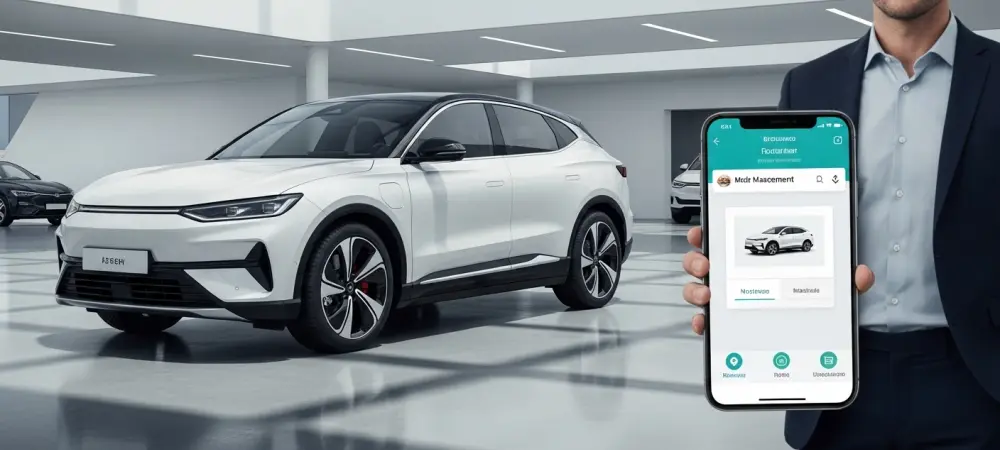
Expanding the Ecosystem from Mobile Powerhouses to Electric Mobility
The boundaries of the modern tech landscape are currently being redrawn as Xiaomi prepares to host a massive launch event in China that promises to redefine digital lifestyles. This presentation represents more than just a hardware refresh; it signifies the brand’s aggressive push to dominate the intersection of mobile technology, wearable aesthetics, and the automotive industry. By introducing the high-performance 17 Max smartphone alongside a bold new electric SUV, Xiaomi is cementing its position as a holistic lifestyle brand. This event is critical because it showcases how the company plans to bridge the gap between pocket-sized devices and large-scale transportation, highlighting a future where every facet of a consumer’s life is connected through a single, unified ecosystem.
A Chronological Roadmap of Xiaomi’s Latest Innovation Wave
May 21, 7:00 PM: The Grand Launch Event in China
The journey begins at the official commencement of the event, where Xiaomi will lay out its roadmap for the fiscal year. This moment marks the formal introduction of a diverse product lineup designed to satisfy different market segments simultaneously. The timing is strategic, aimed at capturing market attention through a high-profile live presentation that sets the stage for the company’s next phase of global competition.
May 21: Introduction of the High-Performance 17 Max
Shortly after the keynote begins, the spotlight shifts to the Xiaomi 17 Max. This device enters the market as the fifth member of the 17-series family, filling a niche for users who demand extreme endurance without sacrificing power. Built on the Snapdragon 8 Elite Gen 5 processor, this 3nm flagship chipset provides the architectural backbone for the device. The most significant reveal during this phase is the 8,000mAh battery, a record-breaking capacity for the series that addresses the growing consumer demand for multi-day battery life in premium smartphones.
May 21: Unveiling Leica Optics and Imaging Breakthroughs
Following the hardware specifications, the focus moves to the device’s visual capabilities. The 17 Max features a Leica-tuned triple rear camera array, headlined by a massive 200-megapixel primary sensor. This event segment details how the 1/1.4-inch sensor works in tandem with 50-megapixel ultrawide and periscope telephoto lenses to redefine mobile photography. At this point, the device also becomes available for pre-order on the official Chinese website in Blue and White finishes, marking the transition from announcement to commercial availability.
May 21: Diversification into Wearables and Audio Tech
As the presentation progresses, Xiaomi pivots to its accessory ecosystem. This period sees the debut of the Band 10 Pro and the “Xiaomi Ear Clip,” the brand’s first foray into open-ear TWS design. Available in Basalt Black, Pearl White, and Satin Gold, these products illustrate a shift toward fashion-forward technology. This phase of the timeline highlights Xiaomi’s ability to innovate in smaller form factors, catering to a lifestyle-oriented audience that values both ergonomics and high-fidelity sound.
May 21: The Debut of the Xiaomi YU7 GT Electric SUV
The climax of the event occurs with the unveiling of the Xiaomi YU7 GT (2026), an electric SUV that signals the brand’s long-term commitment to the EV sector. This moment marks a pivot from personal electronics to heavy industrial engineering, showing how Xiaomi’s software expertise translates to the automotive world. Alongside this reveal, various smart household appliances are introduced, completing the vision of a fully integrated, tech-driven home and travel experience.
Key Strategic Shifts and the Integration of Smart Life
The most significant turning point in this timeline is the transition from a smartphone-centric business model to a comprehensive “Human x Car x Home” strategy. The 17 Max acts as the command center for this vision, utilizing its massive battery and top-tier processing power to manage an increasingly complex digital life. The overarching theme is one of convergence; technological advancements in 3nm chipsets and high-density batteries are no longer confined to phones but are influencing how wearables and vehicles are designed. A notable pattern is the move toward “extreme specs,” such as the 8,000mAh battery and 200MP camera, which suggests that Xiaomi is prioritizing hardware dominance to stay ahead of domestic and international competitors.
Competitive Nuances and the Future of Integrated Technology
The “Xiaomi Ear Clip” represented a shift in the audio market, moving away from traditional in-ear buds to comfortable, situational-awareness designs. This reflected a regional trend where clip-on tech gained traction. By launching the YU7 GT alongside a flagship phone, the company established an ecosystem stickiness that rivaled major industry leaders. Analysts monitored how HyperOS eventually merged these distinct hardware categories into a single user interface, providing a template for future cross-industry integrations. Consumer interest shifted toward how these high-density batteries would perform over years of daily cycles, prompting further research into solid-state energy solutions. For those tracking the evolution of smart cities, these milestones offered a glimpse into a world where personal devices and urban transit operated on a shared software architecture.