

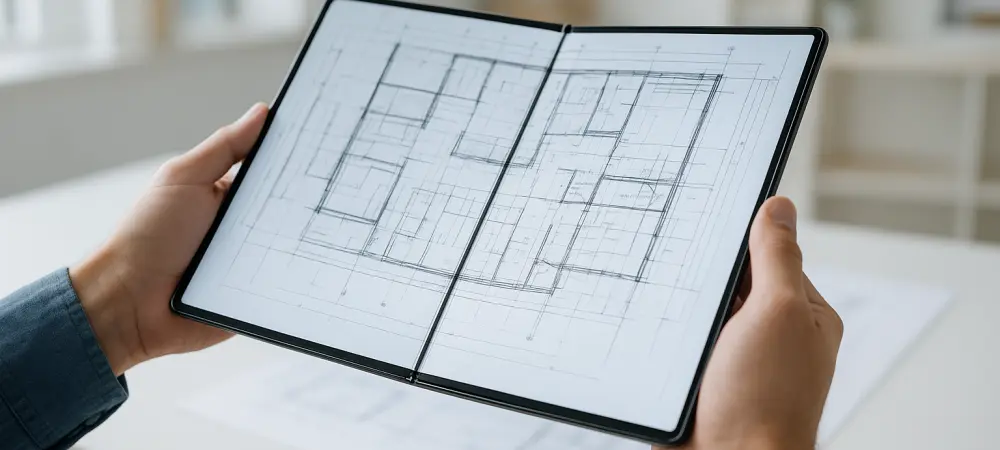
The long-standing skepticism surrounding the structural integrity of foldable displays has finally been met with a sophisticated response that prioritizes longevity over being first to market. While competitors spent years iterating in public, Apple’s late entry represents a calculated transition from the rigid foundations of the classic iPhone toward a more versatile, multi-form factor architecture.
This shift culminated in the “Surprise and Shine” event, where the brand finally unveiled a hardware evolution that had been under internal refinement since 2020. The current strategy suggests that being the best is more valuable than being the earliest, especially as global market trends now demand devices that can bridge the gap between mobility and high-performance computing.
Introduction to Apple’s Foldable Technology
Apple’s late-mover strategy allowed the company to observe the failure points of early foldable generations before committing to a final consumer design. By delaying the launch, engineers focused on the “Surprise and Shine” philosophy, ensuring that the transition from a traditional smartphone to a foldable hybrid felt like a completed realization rather than a beta test.
The project timeline reflects a decade of conceptualization, though the development cycle accelerated significantly over the last few years. This acceleration was a direct response to global shifts where foldable devices began to represent a viable segment of the ultra-premium market, forcing a pivot in Apple’s hardware roadmap.
Core Architectural and Technical Components
The internal architecture deviates from standard smartphone builds by prioritizing modularity within a flexible chassis. This design accommodates the shifting internal volume required when the device is closed, ensuring that sensitive electronic components remain protected from the physical stress of repeated folding.
Moreover, the integration of specialized thermal management systems allows the device to maintain peak performance even when the display is folded. This technical balance ensures that the “Ultra” processing power is not throttled by the compact physical constraints of the folded form factor.
The Advanced Mechanical Hinge System
The proprietary hinge mechanism serves as the backbone of this device, utilizing a complex multi-link structure designed to eliminate the visible crease. By creating a larger radius of curvature when folded, Apple managed to reduce the physical stress on the display material itself.
This approach addresses mechanical fatigue, ensuring that the device maintains its structural integrity over thousands of cycles. The durability standards established for this hinge surpass previous industry benchmarks, effectively solving the long-standing issue of hinge-related display failure.
Flexible Retina Display and Panel Integration
The transition between folded and unfolded states relies on a custom OLED panel that maintains strict color accuracy and brightness. Integrated touch sensitivity layers were re-engineered to survive the constant stretching and compression required by a flexible form factor without losing precision.
This integration provides a seamless transition where the software adjusts UI elements dynamically without any latency. The performance characteristics remain consistent regardless of the fold angle, offering professional-grade visuals that cater to designers and photographers who require absolute color fidelity.
Current Market Trends and Economic Shifts
The economic landscape surrounding foldable tech has shifted significantly, with manufacturing costs rising due to supply chain constraints on high-performance RAM and storage chips. Apple has shattered the previous $1,999 pricing ceiling, establishing a new $2,199 entry point for the foldable category.
Consumer behavior indicates that brand loyalty remains the primary driver for these high-end configurations, with some models reaching as high as $3,000. This strategy targets power users who are willing to pay a significant premium for a device that effectively replaces both a flagship smartphone and a professional-grade tablet.
Real-World Applications and Use Cases
For creative professionals and enterprise leaders, the expanded screen real estate provides a tangible edge in multitasking and mobile productivity. The implementation of “Duo” or “Fold” modes allows users to run desktop-class applications with a split-screen interface that feels native rather than forced.
Software optimizations within iOS have introduced unique gestures and workflows that leverage the larger surface area for intensive data management. This functionality transforms the device into a mobile workstation, bridging the gap between a standard phone and a laptop for field-based professionals.
Technical Obstacles and Market Challenges
Despite the engineering triumphs, hardware longevity remains a concern regarding flexible screen durability and resistance against dust or micro-particles. The high price barrier remains a “controversial” hurdle that prevents mass-market adoption, keeping the device within the realm of an elite user base.
Ongoing research continues to focus on reducing component costs and perfecting the user interface for more complex foldable layouts. Regulatory challenges and market competition also force a constant re-evaluation of how these devices are marketed to a public that is increasingly sensitive to rising technology costs.
Future Outlook and Technological Trajectory
Future iterations are expected to incorporate breakthroughs in battery chemistry and thin-film transistors to allow for even thinner chassis designs. This trajectory suggests a long-term convergence where the traditional distinction between iPhone and iPad begins to blur or disappear entirely from 2026 to 2028.
Apple’s entry into this segment will likely force a standardization of foldable software across the industry, driving developers to optimize apps for variable ratios. As the technology matures, the focus will shift toward making these versatile form factors accessible to a broader demographic.
Final Assessment and Summary
The engineering refinements showcased in this device successfully positioned Apple at the top of the luxury smartphone segment. The focus on eliminating mechanical flaws and integrating a professional-grade software ecosystem provided a compelling argument for the device’s utility in a crowded market.
Although the record-breaking price point remained a barrier for many, the technological performance justified the investment for those seeking the pinnacle of mobile hardware. The foldable era officially transitioned from a niche experiment into a primary pillar of the premium telecommunications landscape.