

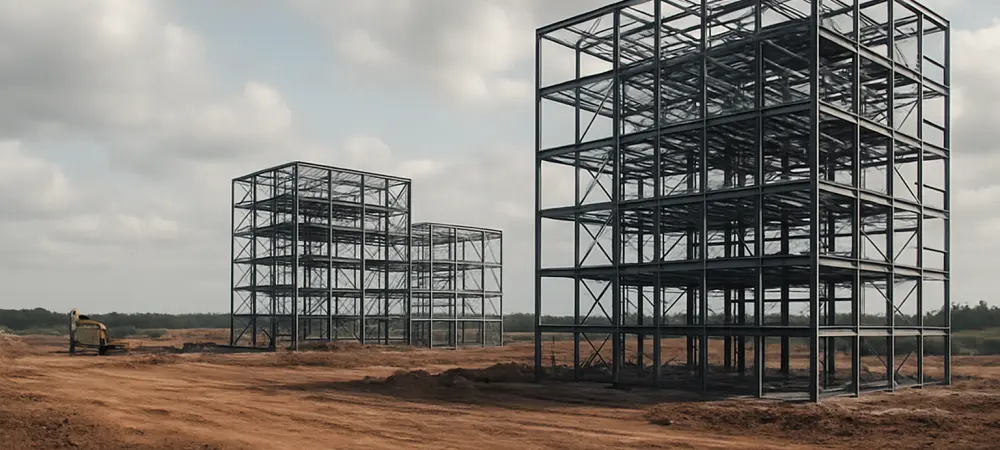
Deep within the industrial heart of Beaver County, a massive 660-acre site that once hummed with coal power is now the foundation for a digital revolution that will redefine the American technological landscape. While most data center developments measure their impact in megawatts, Aligned’s “Project Phoenix” is scaling into the gigawatt territory, signaling a massive shift in how digital infrastructure is designed. This project is a fundamental transformation of a former coal-based landmark into a 2GW engine for the AI and digital era.
The Dawn of a Gigawatt Era in Shippingport
The Shippingport site is currently undergoing a metamorphosis, evolving from a dormant industrial relic into a high-density technological powerhouse. This ambitious development represents a shift toward massive scale, moving beyond simple regional expansion into a fundamental structural reimagining of power consumption. By transforming a former coal-based landmark into a 2GW campus, the project addresses the exponential growth of data processing needs while repurposing significant acreage.
Why the Shift to Self-Sustaining Digital Hubs Matters
The global hunger for data processing—driven largely by the surge in artificial intelligence—is outstripping the capacity of traditional electrical grids. As utility companies struggle to keep pace with demand, developers are forced to seek innovative energy solutions. By moving into the “Rust Belt” and repurposing industrial land, Aligned is addressing two critical modern challenges: the need for massive, localized power and the revitalization of regional economies that were previously dependent on fossil fuels.
Inside Project Phoenix: A Blueprint for Massive Scale
This development represents a sophisticated marriage of repurposed land and cutting-edge energy management. The Shippingport campus will ultimately feature three distinct facilities, supported by a unique power strategy that sets it apart from conventional data centers. The transition of the Shippingport Industrial Park from a coal-focused site to a high-tech hub utilizes a 2.7GW natural gas energy campus. This “behind-the-meter” advantage allows the campus to operate independently of the local grid.
Economic Renaissance and the Evolution of Energy
Industry leaders and local officials view this project as a “legacy reimagined” for the modern age. CEO Andrew Schaap emphasizes that this scale of investment is designed to foster long-term prosperity. The symbolic transition of Shippingport from a commercial nuclear energy pioneer to a leader in digital infrastructure is vital for the region. Expected job creation and the injection of capital into Western Pennsylvania’s economy provide a stabilizing force, proving that old industrial towns can find new life in the high-tech sector.
Strategic Frameworks for Large-Scale Infrastructure Development
The success of Project Phoenix provided a roadmap for other developers looking to navigate the complexities of modern data center demands. Implementing these strategies helped bridge the gap between industrial history and the technological future. Companies prioritized brownfield redevelopment to simplify land acquisition and leverage existing industrial zoning. They integrated on-site power generation to mitigate the risks associated with grid congestion and energy instability. Furthermore, aligning corporate expansion with regional economic goals secured community support and long-term viability. This approach facilitated the institutional partnerships required for gigawatt-scale operations.