

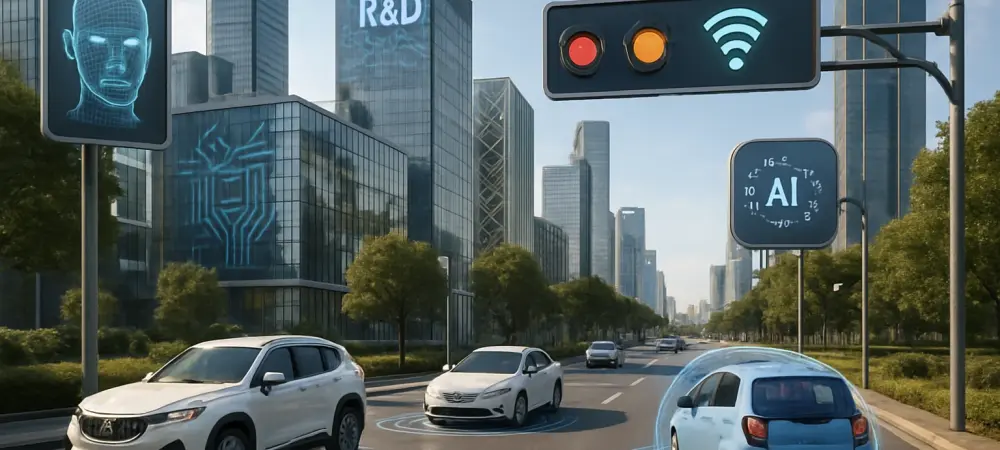
Imagine a city where traffic flows seamlessly, energy is conserved without effort, and public safety is enhanced through invisible yet powerful systems. This is no longer a distant vision but a reality unfolding in urban centers worldwide, driven by artificial intelligence (AI). The integration of AI into city planning and management is revolutionizing how urban spaces function, addressing challenges like congestion, waste, and crime. This roundup dives into diverse perspectives, tips, and insights from industry leaders, urban planners, and technology experts on how AI is quietly transforming cities into smarter, more livable environments. The purpose is to explore the multifaceted impact of this technology and compare varying viewpoints on its implementation and potential.
The Rise of Intelligent Cities: Why AI Matters Now
The emergence of AI in urban settings has caught the attention of city officials and tech innovators alike. Many note that AI’s subtle integration into daily life—from optimizing traffic signals to monitoring energy use in buildings—has already begun to reshape how residents interact with their surroundings. Industry voices emphasize that AI’s ability to process vast amounts of data in real time offers a unique opportunity to enhance efficiency in ways previously unimaginable, making it a cornerstone of modern urban development.
A recurring theme among urban planners is the urgency of adopting AI to address critical issues such as overcrowded streets, unsustainable energy consumption, and rising safety concerns. Experts argue that without leveraging such technology, cities risk falling behind in managing rapid population growth and environmental pressures. This urgency is echoed across global forums, where AI is positioned as an indispensable tool for creating resilient urban ecosystems.
This exploration will delve into AI’s influence across key areas like infrastructure, public safety, waste management, and resident engagement. By gathering insights from multiple sources, the discussion aims to uncover not only the benefits but also the challenges and differing opinions on how best to integrate AI into city life. The journey ahead promises a comprehensive look at how this technology is redefining urban landscapes.
AI at the Heart of Urban Evolution
Redefining City Infrastructure with Smart Solutions
Insights from technology developers highlight how AI is fundamentally altering urban infrastructure. Smart buildings equipped with AI systems adjust lighting and heating based on occupancy, significantly cutting energy waste—a point often raised by sustainability advocates. Meanwhile, adaptive streetlights that respond to pedestrian movement are praised for enhancing safety while reducing costs, showcasing AI’s dual impact on efficiency and well-being. A standout example frequently cited is Pittsburgh’s Surtrac system, which uses AI to manage traffic lights in real time. Reports indicate it has slashed delays by 40% and emissions by 21%, earning acclaim from traffic management specialists as a model for other cities. Such measurable outcomes fuel optimism among urban planners who see AI as a scalable solution for congestion in densely populated areas.
However, not all feedback is unequivocally positive. Some industry analysts caution about the high costs of implementing AI systems, which can strain municipal budgets. Privacy concerns also surface, with critics pointing to the extensive data collection required for these systems to function. This balanced perspective underscores the need for careful planning and transparent policies to ensure AI’s benefits outweigh its challenges.
Enhancing Safety and Cleanliness Through Predictive Tech
Public safety experts widely commend AI’s role in creating secure urban environments through predictive analytics. By processing data from surveillance cameras and social media, AI can anticipate potential crimes or emergencies, allowing for proactive responses. This capability is often highlighted as a game-changer in densely populated cities where traditional policing methods struggle to keep pace.
A frequently referenced case is Kuala Lumpur’s deployment of over 5,000 AI-enabled cameras to monitor public spaces. Tech reviewers note that these systems not only deter crime but also manage traffic violations, easing congestion. Additionally, smart waste bins with sensors optimize collection routes and encourage recycling, a point celebrated by environmental consultants for contributing to cleaner urban spaces.
Yet, opinions diverge on the ethical implications of such technologies. Some civic groups express unease over surveillance overreach, warning that constant monitoring could erode personal freedoms. Others point to the risk of system errors leading to false positives in crime prediction. These concerns prompt calls for robust oversight to balance security gains with individual rights, reflecting a nuanced debate within the field.
Pioneering Trends in Urban Connectivity and Efficiency
Emerging AI applications in urban connectivity draw significant interest from transit authorities and tech innovators. Real-time adjustments to public transit schedules based on passenger demand are often cited as a way to boost efficiency and reduce wait times. Such innovations are seen as vital for accommodating growing urban populations without overloading existing systems.
Global perspectives reveal varied priorities in AI adoption. While some cities focus on infrastructure upgrades, others emphasize safety enhancements, leading to diverse implementation strategies. Futurists speculate that scalability could hinge on cross-city collaborations, with shared learning accelerating progress. This diversity in approach sparks discussions on how to standardize best practices without stifling local innovation.
A critical viewpoint questions whether AI’s benefits are sometimes overstated. Certain urban sociologists argue that over-reliance on technology might diminish human oversight, potentially leading to unforeseen failures. This cautionary stance encourages a hybrid model where AI supports, rather than replaces, human decision-making, ensuring cities remain adaptable to unique challenges.
Personalizing the Urban Experience with Digital Assistants
AI’s ability to connect cities with residents through digital tools garners praise from municipal service providers. Chatbots and virtual assistants that handle everything from permit applications to service updates are seen as vital for simplifying access to city resources. This personalization is often highlighted as a way to make sprawling urban centers feel more approachable and responsive.
Regional case studies reveal differing levels of success with resident engagement tools. In some areas, AI-driven platforms have significantly improved satisfaction rates, while others struggle with adoption due to digital literacy gaps. General feedback from technology consultants stresses the importance of maintaining a human touch alongside automation to address complex or emotional resident concerns effectively.
Looking ahead, there is curiosity about how AI could further customize urban services. Ideas include tailoring notifications for local events or predicting individual transit needs based on historical data. Such possibilities, while promising, are tempered by calls from user experience specialists to ensure inclusivity, preventing tech-driven solutions from alienating less connected populations.
Key Lessons from AI’s Urban Impact
Synthesizing opinions from various sectors reveals AI’s profound influence on urban life. Traffic optimization, as seen in advanced systems, stands out for reducing delays and emissions, a benefit universally acknowledged by transportation experts. Safety improvements through predictive tech and waste reduction via smart systems also receive widespread approval for making cities more sustainable. For city planners and policymakers, actionable advice includes investing in modular AI systems that can scale with urban growth. Privacy protection emerges as a top priority, with many advocating for clear data usage guidelines to build public trust. These practical tips aim to guide municipalities in harnessing AI’s potential while mitigating risks.
Engagement at the community level is also encouraged. Residents can advocate for smart city initiatives by participating in local planning meetings or supporting pilot projects. Such involvement ensures that AI implementations reflect community needs, a point stressed by civic engagement leaders as essential for long-term success.
Shaping Tomorrow’s Cities with AI’s Quiet Revolution
Reflecting on the insights gathered, it becomes evident that AI has woven itself into the fabric of urban life as an invisible yet indispensable force. Its role in crafting more livable and sustainable cities is consistently affirmed by diverse voices, from tech pioneers to urban advocates. The quiet revolution of AI has already begun to redefine daily experiences in cities worldwide. Moving forward, the focus should shift to fostering collaboration between municipalities, tech developers, and citizens to refine AI applications. Exploring funding models to offset implementation costs could democratize access to these innovations. Additionally, prioritizing education on digital tools might bridge gaps in adoption, ensuring that smart city benefits reach all corners of society. These steps offer a path to not just embrace but actively shape the technological shift in urban living.