

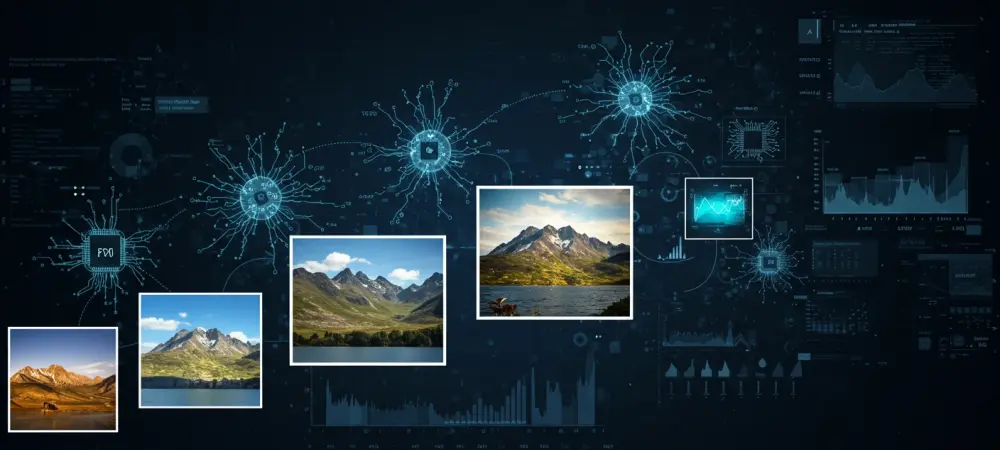
Introduction to AI-Powered Photo Animation
Imagine flipping through a photo album and watching a cherished moment—like a child’s first step or a family reunion—come to life with subtle motion, as if it were captured on video, bringing a new dimension to your memories. This captivating experience is now a reality with Google Photos’ latest AI-driven features, which transform static images into dynamic clips. The significance of this technology lies in its ability to enhance personal memories, making digital photo libraries more engaging for over a billion users worldwide. Such innovation represents a leap forward in how technology preserves and revitalizes the past.
The purpose of this FAQ is to demystify how Google Photos uses advanced artificial intelligence to animate still images into videos, addressing common queries about the tools, their functionality, and their implications. Readers will gain insight into the specifics of these features, the technology behind them, and the ethical considerations involved. By exploring these aspects, this guide aims to provide clarity on a groundbreaking update that blends creativity with accessibility.
This content will cover key questions surrounding the photo-to-video tool, additional creative features, and the safeguards in place to ensure responsible use. Expect a detailed breakdown of how these innovations work, their potential for future growth, and their impact on everyday users. Whether you’re a casual photo enthusiast or a tech-savvy individual, there’s something here to deepen your understanding of this transformative update.
Key Questions About Google Photos’ AI Features
What Is the Photo-to-Video Tool in Google Photos?
The photo-to-video tool is a newly introduced feature in Google Photos that animates still images into short, six-second video clips using cutting-edge AI technology. This functionality breathes life into static pictures, turning a frozen moment into a dynamic memory. Its importance stems from the desire to make photo viewing more immersive, especially for users who want to relive special occasions in a novel way.
Available on Android and iOS platforms in the U.S., the tool offers customization options such as “Subtle movements” for minimal animation or “I’m feeling lucky” for more whimsical effects like confetti bursts. This flexibility caters to different user preferences, ensuring that the output feels personal and relevant. The feature is housed within a new “Create” tab in the app, making it easily accessible alongside other editing tools. Underpinning this innovation is Google’s Veo 2 AI video model, a sophisticated system also utilized in platforms like YouTube. This model analyzes image elements to generate natural-looking motion, demonstrating the power of AI in consumer applications. As a testament to its reach, this tool is part of a platform used by a vast global audience, highlighting its potential to redefine digital nostalgia.
How Does the Remix Feature Enhance Creativity?
Beyond video animation, Google Photos offers a “Remix” feature designed to restyle photos into artistic formats such as comic book panels, anime stills, 3D renderings, or pencil sketches. This addition addresses the growing interest in personalized and creative expression, allowing users to transform their images without needing advanced editing skills or complex instructions.
Integrated seamlessly into the app’s interface, Remix eliminates the need for intricate prompts, making artistic transformation straightforward. Users can experiment with various styles to give their photos a unique flair, whether for social sharing or personal keepsakes. This feature, also located in the “Create” tab, complements the video tool by expanding the scope of creative possibilities.
The technology behind Remix draws on AI capabilities similar to those found in other advanced models, ensuring high-quality outputs. As this feature rolls out, it signals a trend toward democratizing artistic tools, enabling anyone to explore visual storytelling. Its user-friendly design ensures that even those unfamiliar with design software can achieve impressive results with minimal effort.
What Ethical Measures Are in Place for AI-Generated Content?
With the rise of realistic AI-generated content, concerns about misuse, such as deepfakes, have become prominent. Google Photos addresses these challenges by implementing strict transparency measures for its AI tools. This focus on ethics is crucial in maintaining trust among users while navigating the complexities of powerful generative technologies.
All videos and remixed images created through these features carry visible labels indicating their artificial origin. Additionally, invisible SynthID watermarks are embedded in the content, allowing traceability back to the AI model responsible for its creation. These safeguards align with industry standards for accountability, ensuring that manipulated media is clearly identifiable.
Such measures reflect a broader commitment to responsible innovation, balancing the playful nature of these tools with the need to prevent potential harm. By prioritizing transparency, Google Photos sets an example for how consumer apps can integrate advanced AI without compromising integrity. This approach reassures users that their creative outputs are handled with care and responsibility.
What Future Developments Can Users Expect from These AI Tools?
Looking ahead, the current photo animation and Remix features are just the beginning of Google Photos’ AI journey. The introduction of the “Create” tab suggests a long-term vision for expanding creative functionalities within the app. This forward-thinking strategy is significant as it positions the platform as a hub for evolving digital expression. Potential enhancements could include longer video clips, voiceovers, or multi-image narratives, driven by upgrades like the Veo 3 model, which offers improved video quality and features such as synced dialogue. These advancements hint at a future where users might craft detailed storytelling pieces directly from their photo libraries. The focus remains on enhancing personal memories rather than professional-grade outputs.
This trajectory underscores a growing confidence in AI’s role within everyday applications, targeting a broad audience from casual users to tech enthusiasts. As these tools evolve over the coming years, starting from 2025, they are likely to offer even more sophisticated ways to interact with digital content. Such developments promise to keep Google Photos at the forefront of consumer-facing AI innovation.
Summary of Google Photos’ AI Innovations
The key points discussed highlight how Google Photos transforms still images into engaging videos using the photo-to-video tool, powered by the Veo 2 AI model, with options for subtle or creative animations. The Remix feature further enriches user experience by offering artistic restyling of photos, while ethical safeguards like labeling and SynthID watermarks ensure transparency in AI-generated content. Additionally, the potential for future enhancements signals a dynamic path for the platform’s creative offerings.
These insights emphasize the balance between innovation and responsibility, showcasing how advanced technology can enhance personal memories without overwhelming users. The integration of these tools into a widely used app demonstrates a commitment to accessibility, making AI-driven creativity available to a diverse audience. This approach positions Google Photos as a leader in redefining digital memory-keeping.
For those eager to dive deeper, exploring resources on AI ethics or updates on Google’s generative models can provide further context on the technology’s broader implications. Staying informed about upcoming app features through official announcements is also recommended. This recap captures the essence of a transformative update, blending utility with forward-thinking design.
Final Thoughts on AI-Enhanced Memories
Reflecting on this significant update, it becomes evident that Google Photos has carved a thoughtful path in merging cutting-edge AI with everyday functionality. The journey from static images to animated clips marks a turning point in how digital memories are experienced, offering users a fresh lens on their past. This advancement stands as a testament to technology’s potential to enrich personal connections.
As a next step, users are encouraged to experiment with these tools within their own photo libraries, exploring the photo-to-video and Remix features to rediscover old moments in new ways. Keeping an eye on future updates, especially those expanding storytelling capabilities, promises to unlock even more creative avenues. This evolution invites consideration of how such innovations could shape personal narratives in unexpected, meaningful ways.