

I’m thrilled to sit down with Dominic Jainy, a seasoned IT professional whose deep expertise in artificial intelligence, machine learning, and blockchain has positioned him as a thought leader in the tech world. With a passion for exploring how these cutting-edge technologies transform industries, Dominic offers unique insights into the rise of AI-ready data centers and their profound impact on businesses. In this conversation, we dive into what makes these facilities essential for modern companies, the challenges and opportunities they present, their environmental footprint, and where this technology is headed in the coming years.
How would you describe an AI-ready data center to someone unfamiliar with the concept, and what sets it apart from a traditional data center?
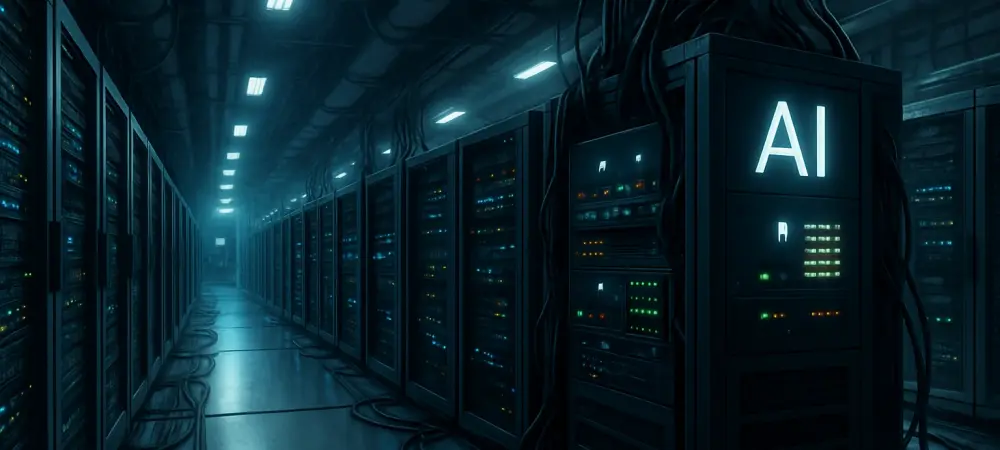
Great question. An AI-ready data center is essentially a high-powered facility built to handle the intense demands of artificial intelligence workloads. Unlike a traditional data center, which might just store and manage regular business data, an AI-ready center is equipped with advanced hardware like powerful GPUs, high-speed networking, and specialized cooling systems. These components are crucial for processing massive datasets and running complex machine learning models in real time. Think of it as a turbocharged engine compared to a standard car motor—it’s designed for speed and heavy lifting in the world of AI.
What’s driving the surge in business investment in AI-ready data centers right now?
The main driver is the growing reliance on AI across industries. Companies in sectors like healthcare, finance, and retail are using AI for everything from predictive analytics to personalized customer experiences, and they need the infrastructure to support that. These data centers offer the processing power and speed that cloud services alone can’t always match. By investing in AI-ready facilities, businesses gain a competitive edge—faster insights and better decision-making can set them apart from rivals who are slower to adapt.
What are some of the biggest hurdles companies face when adopting AI-ready data centers?
Cost is a huge barrier. Setting up or even renting space in these centers requires significant investment in hardware, energy, and maintenance. For smaller businesses, this can be a tough pill to swallow—they might want the benefits but simply can’t afford the upfront expenses. Beyond that, there’s also the challenge of technical expertise. Running an AI-ready data center isn’t just plug-and-play; it requires skilled staff to manage the systems, which adds another layer of complexity and cost.
How does the energy consumption of these data centers affect the environment, and what’s being done to address this issue?
AI-ready data centers are energy hogs. Training a single large AI model can use as much power as hundreds of households do in a year. This raises serious sustainability concerns, especially as more companies adopt these technologies. On the positive side, there’s a push toward green data centers that use renewable energy sources like solar or wind, along with more efficient cooling methods. I’ve seen some impressive initiatives where companies are colocating their facilities near hydroelectric plants to tap into clean power, which is a step in the right direction.
Can you walk us through some of the standout benefits that companies gain from using AI-ready data centers?
Absolutely. One of the biggest advantages is speed. With the kind of processing power these centers provide, businesses can analyze data and make decisions much faster—sometimes in real time. Then there’s automation; AI can take over repetitive tasks, freeing up employees to focus on strategic, creative work. I’ve seen companies use this to improve customer interactions too, like deploying AI chatbots that feel almost human. Overall, it’s about efficiency and staying ahead of the curve in a fast-moving market.
What are the potential risks or downsides of relying heavily on AI-ready data centers for business operations?
There are a few risks to keep in mind. Cybersecurity is a big one—these centers hold massive amounts of sensitive data, making them prime targets for attacks. A breach could be catastrophic. There’s also the issue of dependency. If a company relies too much on an external data center provider, they might find themselves locked in, with little control over costs or service quality. It’s a balancing act; businesses need to ensure they have contingency plans and strong security measures in place.
Looking ahead, how do you envision the evolution of AI-ready data centers over the next few years?
I think we’re going to see some exciting changes. As technology advances, I expect the costs of building and running these centers to gradually decrease, making them more accessible to smaller businesses. We might also see hybrid models gain traction, where companies combine private data centers with cloud-based AI services to manage expenses. On the innovation front, I’m keeping an eye on edge computing—bringing AI processing closer to where data is generated could reduce latency and energy use, reshaping how these facilities operate.
What advice would you give to a company that’s considering investing in AI-ready data centers?
My advice is to start with a clear strategy. Understand your specific needs—don’t just jump on the bandwagon because it’s trendy. Weigh the costs against the tangible benefits, like how faster data processing or automation could impact your bottom line. Also, prioritize partnerships with reliable providers who offer scalability and strong security protocols. Finally, think long-term; this is an investment in your future competitiveness, so plan for how it fits into your broader business goals.