

Unpacking a Critical Market Standoff
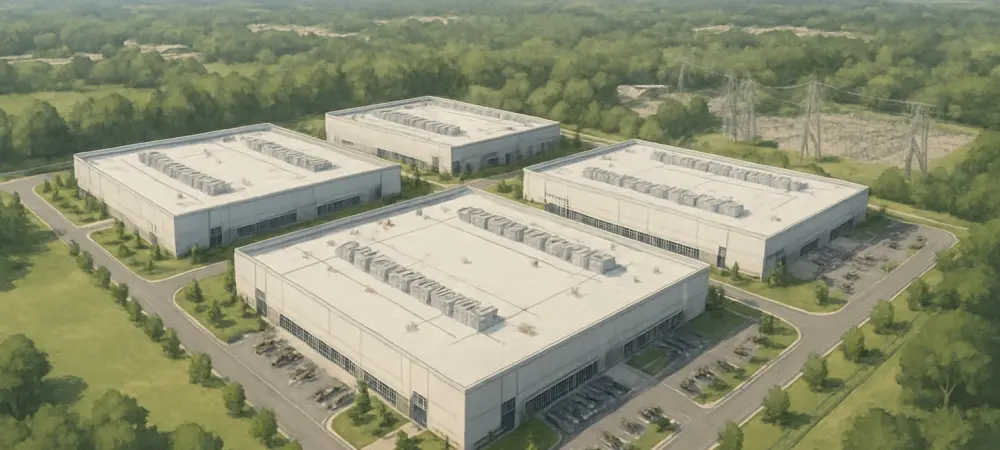
In the heart of Georgia, DeKalb County stands at a pivotal juncture as a proposed 95-acre data center project in Ellenwood, a suburb southeast of Atlanta, faces significant zoning hurdles that reflect wider issues in the industry. With the Board of Commissioners deferring a crucial rezoning decision for PCC-DeKalb LLC’s 1,000,000 square foot facility and electric substation, the delay from late September to late October underscores a growing tension between skyrocketing demand for tech infrastructure and rigid local regulations. This analysis delves into the implications of such setbacks, exploring how they reflect broader market dynamics in the Atlanta metro area, a hotspot for data center growth. Readers will gain insights into current trends, zoning challenges, and future projections for this burgeoning sector, shedding light on what these delays mean for investors, developers, and policymakers navigating this high-stakes landscape.
Diving into Market Trends and Data Center Demand
Atlanta Metro: A Booming Hub for Tech Infrastructure
DeKalb County, encompassing parts of western Atlanta, has rapidly positioned itself as a key player in Georgia’s data center ecosystem. The Atlanta metro area, recognized as the state’s primary market for such facilities, is witnessing unprecedented demand, with vacancy rates hitting historic lows as reported by leading real estate firms like CBRE. This surge is fueled by the region’s strategic location, robust connectivity, and access to power resources, making it an attractive destination for tech giants and niche players alike. Major developments, such as Amazon’s acquisition of 1,000 acres approximately 55 miles south of Atlanta for a sprawling data center campus, highlight the scale of investment pouring into the area, setting a benchmark for growth in surrounding counties like DeKalb.
Innovative Projects Shaping the Landscape
Beyond large-scale endeavors, smaller yet innovative projects are also carving out space in DeKalb County’s market. For instance, Donato Solar’s concept for a 4MW solar-powered boutique data center illustrates a growing trend toward sustainable tech infrastructure, appealing to environmentally conscious investors and end users. This blend of traditional and green initiatives reflects a diversified market approach, catering to varying scales of operation and energy needs. As cloud computing and digital transformation accelerate, the push for such facilities continues to intensify, placing pressure on local governments to adapt to an evolving industrial profile that traditional zoning laws struggle to accommodate.
Zoning as a Barrier to Market Expansion
The core of the current market challenge lies in zoning regulations that have not kept pace with technological advancements. In DeKalb County, the deferral of PCC-DeKalb LLC’s Special Land Use Permit application for the Ellenwood site—located at 4280 and 4358 Loveless Place—reveals a critical mismatch between existing land use categories and modern industrial requirements. The developer’s argument that a data center qualifies as a “utility structure for transmission of service” under current overlay district rules has been met with skepticism by county staff, who recommended a 30-day postponement in late September for further review. This hesitation mirrors a broader regional trend where outdated frameworks slow down market responsiveness, impacting timelines for investors eager to capitalize on low vacancy rates.
Analyzing Projections and Future Market Dynamics
Regulatory Evolution on the Horizon
Looking ahead, the data center market in DeKalb County and the wider Atlanta metro area is poised for continued growth, though regulatory hurdles will likely shape the pace of expansion. The Board of Commissioners’ additional delay of a text amendment to explicitly permit data centers in certain zoning categories—now scheduled for mid-November—signals a cautious approach toward policy updates. Projections suggest that without streamlined zoning guidelines, similar conflicts will persist, potentially deterring investment or redirecting it to neighboring regions with more flexible frameworks. Over the next few years, from 2025 to 2027, market analysts anticipate a push for hybrid zoning models that balance industrial needs with community planning goals.
Community and Planning Conflicts as Market Risks
Another factor influencing future market dynamics is the alignment of data center projects with local comprehensive plans. In the case of the Ellenwood proposal, the county’s Planning Commission raised concerns about the project’s compatibility with long-term growth objectives, reflecting a tension often seen in suburban areas where industrial developments can disrupt residential or mixed-use priorities. This issue extends beyond DeKalb, as comparable zoning disputes in adjacent counties indicate a pattern of community resistance to rapid tech-driven change. For the market to sustain its upward trajectory, developers may need to prioritize mitigation strategies and stakeholder engagement to minimize such risks.
Sustainability and Innovation as Growth Drivers
On a positive note, emerging trends in sustainability and innovation are expected to drive market differentiation in DeKalb County. The integration of renewable energy solutions, as seen in boutique projects, could become a competitive edge, attracting environmentally focused investors and tech firms. Additionally, potential state-level incentives for tech infrastructure might ease local zoning pressures by providing financial or policy support for data center developments. Market forecasts indicate that counties adopting forward-thinking approaches—balancing regulation with innovation—will likely emerge as leaders in capturing the next wave of data center investments over the coming years.
Reflecting on Market Insights and Strategic Pathways
Looking back, the zoning deferral for the 95-acre data center project in DeKalb County illuminated critical challenges and opportunities within the Atlanta metro’s tech infrastructure market. The repeated delays, coupled with discrepancies between current zoning laws and industrial needs, underscored a pivotal moment where regulatory caution clashed with market momentum. Community and planning concerns further complicated the landscape, revealing risks that shaped investor timelines and strategies. Moving forward, stakeholders are encouraged to focus on collaborative solutions, such as early engagement with local authorities to align projects with comprehensive plans. Developers stand to benefit from transparency in disclosing end users and project impacts, while policymakers face the task of modernizing zoning codes to support sustainable growth. This market analysis highlights that proactive dialogue and adaptive regulations will be essential to unlocking DeKalb County’s full potential as a data center hub.