

The modern grocery aisle is currently undergoing a radical metamorphosis where the historical boundaries between digital speed and physical touch are dissolving into a unified retail environment. This shift toward AI-powered systems represents a significant leap for the grocery sector, moving beyond simple automation into the realm of truly intelligent commerce. This review explores the technological evolution from static shelves to responsive environments, analyzing how machine learning and real-time data processing redefine the way consumers interact with physical stores.
The transition seeks to answer a growing demand for frictionless transactions while maintaining the tangible quality of in-person shopping. By integrating core principles of neural networks and edge computing, these systems offer a level of personalization previously reserved for online platforms. The current retail landscape is no longer just about inventory management; it is about creating a “connected store” that understands shopper intent as it happens.
Foundations of the AI-Enhanced Shopping Experience
This technological shift marks a definitive move from traditional brick-and-mortar operations to an interconnected model where data dictates the flow of the floor. By merging the tactile experience of the grocery aisle with the efficiency of online checkouts, retailers are effectively eliminating the most significant pain points of physical commerce. This evolution is a direct response to consumer expectations for speed and accuracy in high-traffic environments.
The underlying architecture of this experience relies on the seamless integration of sensor data and user profiles. Instead of passive browsing, the shopping journey becomes a series of data-driven touchpoints that guide the consumer through the store. This foundation allows for a dynamic environment where pricing, promotions, and product placement can be optimized in real time based on observed behavior and historical preferences.
Core Technologies Driving the Smart Retail Revolution
Intelligent Shopping Hardware and Edge Computing
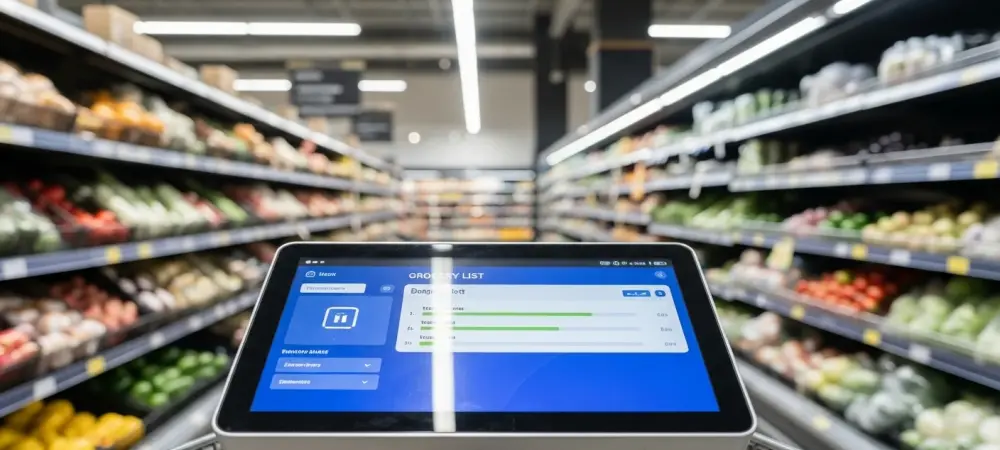
At the center of this revolution is the smart cart, a sophisticated mobile device equipped with an array of cameras, certified scales, and location-tracking sensors. These components work together to recognize items the moment they enter the basket, utilizing edge computing to process visual data locally. This approach minimizes latency, ensuring that the cart’s onboard touchscreen reflects the current total without the delays typically associated with cloud-only processing.
Furthermore, these hardware solutions sync directly with digital loyalty accounts to provide a tailored experience. By tracking movement through the store, the system can surface personalized recommendations or previous purchases exactly when the shopper is near the relevant shelf. This localized intelligence transforms the shopping cart from a mere transport vessel into a powerful personal assistant that facilitates automated checkout and real-time budget tracking.
Computer Vision and Loss Prevention Systems
Another essential pillar is the implementation of AI-driven security suites within self-checkout zones. These systems employ advanced computer vision to identify items that lack traditional barcodes, such as loose produce or bakery items. By accurately recognizing these products through visual patterns alone, the technology speeds up the transaction process while ensuring that the retailer maintains high inventory accuracy.
Beyond convenience, these systems serve as a robust defense against inventory shrinkage. By monitoring for irregular scanning patterns or missed items, the AI can alert staff to potential errors or intentional theft without being intrusive. This balance of security and fluidity allows retailers to deploy more self-service options without the risk of significant financial loss, ultimately improving the overall store performance.
Industry Expansion and Recent Technological Advancements
Recent developments indicate a rapid move toward chain-wide deployments of AI rather than small-scale pilot programs. Retailers are now integrating complex features such as “Buy It Again” prompts directly into cart interfaces, leveraging historical data to prevent shoppers from forgetting their staple items. This trend reflects a broader industry consensus that AI is a fundamental component of modern strategy rather than an experimental luxury.
Moreover, the use of location-based digital coupons represents a shift toward context-aware marketing. As a shopper moves through a specific aisle, the cart can trigger relevant discounts based on the items nearby or the user’s previous brand loyalty. This high level of integration demonstrates that the technology has matured enough to handle the complexities of massive retail chains with thousands of daily transactions.
Real-World Applications: From Store Aisles to Supply Chains
Major retail banners like Weis Markets and Kroger have already begun deploying these systems to modernize their physical footprint. In stores where smart carts are available, adoption rates have climbed significantly, with some locations reporting that these carts account for a substantial percentage of total sales during peak hours. This consumer acceptance proves that the technology provides genuine value rather than just novelty.
The influence of AI also extends deep into the supply chain through automated quality control. Distribution centers are increasingly using platforms like Google Cloud’s Gemini to inspect fresh produce via computer vision before it even reaches the store. By identifying mold or damage early, retailers can ensure a higher standard of product consistency, reducing waste and improving the reliability of the goods offered to the public.
Operational Hurdles and Technological Limitations
Despite the clear benefits, the high cost of hardware deployment remains a significant barrier for many smaller retailers. Maintaining a fleet of sensor-heavy carts requires specialized technical support and a robust infrastructure to handle the constant data flow. Additionally, the physical durability of these high-tech carts in a high-use environment poses ongoing challenges for maintenance teams. Regulatory and privacy concerns regarding location tracking and the collection of biometric data also present potential obstacles. Ensuring that AI models remain accurate across diverse lighting conditions or with damaged packaging requires continuous data refinement. Retailers must navigate these technical complexities while maintaining transparency with consumers to build the trust necessary for long-term adoption.
The Roadmap Toward Fully Autonomous Retail
The future of this sector points toward a completely seamless ecosystem where the friction of checkout is removed entirely. Breakthroughs in predictive analytics will likely allow systems to anticipate shopper needs before they even enter the building, preparing orders or suggesting routes for maximum efficiency. This transition will redefine the labor model of the industry, shifting human workers from repetitive scanning tasks to more specialized customer service roles.
Fully autonomous supply chains that manage inventory with minimal human intervention are also on the horizon. These systems will use AI to coordinate between the shelf, the distribution center, and the supplier to ensure that out-of-stock events become a thing of the past. As these technologies converge, the distinction between a physical store and a digital platform will continue to fade, creating a hyper-efficient retail landscape.
Final Assessment of the AI-Driven Retail Shift
The review of these AI-powered systems demonstrated a pivotal transformation in the retail sector. It was observed that the integration of computer vision and edge computing significantly reduced checkout friction while enhancing operational security. The systems proved effective in bridging the gap between digital convenience and the physical shopping experience, providing a clear path for future retail development.
The analysis indicated that while hardware costs and privacy concerns required careful management, the operational benefits far outweighed the initial hurdles. Retailers who adopted these tools saw increased customer engagement and more efficient inventory management. Stakeholders concluded that the move toward a data-driven, autonomous environment was an essential step for staying competitive in a rapidly evolving market.