

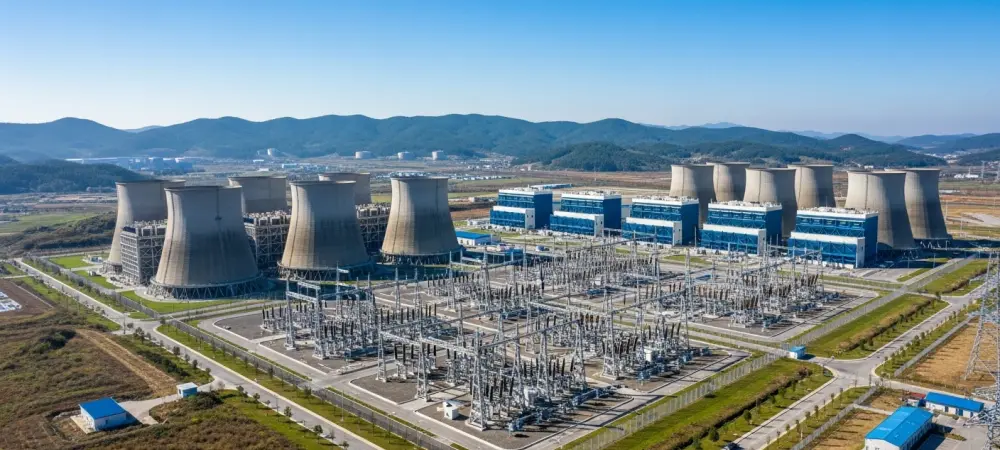
The sudden surge in artificial intelligence requirements has forced a massive reconfiguration of global infrastructure, turning quiet rural landscapes into the backbone of our digital existence. Growth is shifting toward regional hubs like Pennsylvania, where land and power are abundant. Sustainability is now a non-negotiable metric for site selection, with firms adopting water-neutral mandates to satisfy Net Zero goals and corporate responsibility targets.
Evolution of the Green Data Center Market
Growth Trends and Adoption Statistics in Digital Infrastructure
Expansion is driven by high-density AI workloads that move away from saturated Tier-1 markets toward the Rust Belt. Investors favor sites that combine high energy density with carbon-negative commitments to ensure long-term viability.
Real-World Applications: The Shift to Sustainable Megacampuses
Switch’s Big Beaver campus utilizes proprietary closed-loop cooling to eliminate water consumption for GPU processing. This project transforms former industrial land into a vital digital hub, setting a new standard for sustainable architecture and regional clustering.
Industry Perspectives and Expert Insights
Infrastructure investors leverage Pennsylvania’s power grid for strategic growth and scalability. Engineers focus on water-efficient cooling to balance massive energy needs, while economic experts highlight the transition from manufacturing to high-tech maintenance.
Future Outlook: The Intersection of Scale and Sustainability
Future heat loads will challenge infrastructure limits, requiring renewable energy integration and grid-aware designs. Responsible neighbor initiatives will ensure resource conservation remains a priority for long-term community success and operational longevity.
Conclusion: Redefining the Digital Landscape
The industry successfully integrated environmental stewardship into its primary growth strategy. Developers utilized efficient cooling to protect local resources and maintain operational resilience throughout the expansion. This shift provided a template for responsible regional development that balanced high-tech needs with community health. Future progress relied on these sustainable foundations to maintain the delicate equilibrium between industrial scale and ecological preservation.