

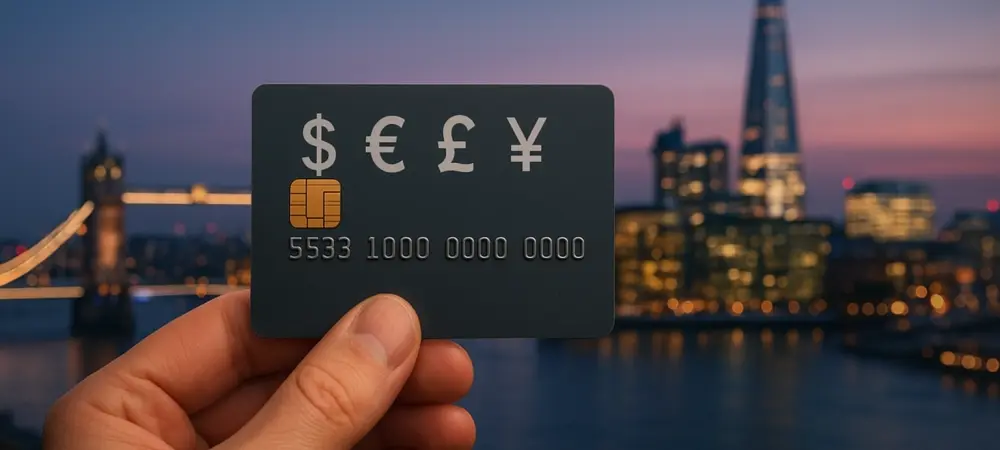
The seamless integration of digital assets into daily commerce has long been the primary challenge for the modern fintech sector, yet Tap Global is currently redefining this space through its strategic alliance with Moorwand. This collaboration marks a significant evolution for the London Stock Exchange-listed firm, transitioning it from a specialized digital wallet provider into a comprehensive financial hub. By appointing Moorwand as the primary issuer and Bank Identification Number (BIN) sponsor for its new multi-currency Mastercard, Tap Global is actively modernizing how its 400,000 users manage their wealth. This shift is not merely a technical update; it represents a commitment to dismantling the barriers that have historically separated traditional fiat currencies from the digital asset ecosystem.
A Strategic Leap in Digital Finance Evolution
The partnership between Tap Global Group plc and Moorwand Ltd represents a transformative milestone for a fintech firm that has consistently sought to bridge the gap between legacy banking and the decentralized world. By utilizing Moorwand’s infrastructure, Tap Global is able to offer a financial product that meets the sophisticated needs of a globalized workforce. The move addresses the increasing demand for versatility in spending, ensuring that users can transition between different asset classes with minimal friction. This evolution reflects a broader trend toward the democratization of finance, where complex international transactions are simplified for the average consumer.
Furthermore, the introduction of the multi-currency Mastercard allows Tap Global to solidify its presence in the competitive London market. The strategic alignment with a principal member of Mastercard ensures that the company remains at the forefront of payment innovation. As the firm moves through the current fiscal cycle, the focus remains on enhancing user retention by providing tools that are as functional in a local grocery store as they are on a global digital exchange. This transition positions the firm as a leader in the next generation of financial services, where liquidity and accessibility are the primary drivers of growth.
Foundations of the Tap Global and Moorwand Alliance
Tap Global has built its reputation on being a forward-thinking digital finance platform that caters to tech-savvy investors. Moorwand, an FCA-authorized Electronic Money Institution (EMI), provides the regulatory and technical backbone required to support such an ambitious financial architecture. This collaboration is not a new venture but rather an expansion of a pre-existing relationship where Moorwand facilitated the underlying e-money accounts within the Tap ecosystem. This history of operational synergy provides a foundation of trust that is essential for managing high-value international transactions and maintaining regulatory compliance.
Moreover, Moorwand’s status as a principal member of the Mastercard network is the linchpin of this entire operation. This status allows Tap Global to bypass many of the traditional hurdles associated with card issuance, such as relying on multiple third-party intermediaries. By consolidating these services under a single, reliable partner, Tap Global ensures that its infrastructure is both resilient and scalable. This partnership underscores the importance of choosing the right allies in the fintech space, as the combined expertise of both companies creates a product that is greater than the sum of its parts.
Key Features and Strategic Milestones of the New Partnership
The transition to the multi-currency Mastercard program introduces several distinctive attributes that are designed to enhance the daily user experience.
Shift to Multi-Currency Architecture
The most significant change in the new program is the departure from the legacy Euro-denominated model. In the previous system, users often faced conversion fees when spending in other currencies, but the new architecture allows for direct spending from various balances, including British Pounds and US Dollars. This shift eliminates the “FX tax” that typically plagues international travelers and digital nomads. By allowing users to hold and spend multiple currencies natively, Tap Global is providing a level of financial autonomy that was previously reserved for high-net-worth individuals or specialized corporate accounts.
Streamlined BIN Sponsorship
By utilizing Moorwand as a direct BIN sponsor, Tap Global has successfully removed several layers of technological complexity. This direct access to the Mastercard network reduces the costs associated with per-transaction processing, a benefit that can be passed down to the user in the form of lower fees. This streamlined approach also allows for better data management and faster transaction clearing times. In a world where financial speed is a competitive advantage, having a direct line to the payment network ensures that Tap Global can respond to market changes and user needs with unprecedented agility.
Unified Financial Ecosystem
The partnership consolidates the underlying account infrastructure and card issuance under one partner, which facilitates a more unified user experience. Instead of managing separate accounts for trading, earning, and spending, users can interact with a singular, cohesive financial hub. This integration allows for the rapid deployment of new features, such as enhanced security protocols or innovative reward structures. A unified ecosystem also simplifies the back-end operations for Tap Global, allowing the company to focus its resources on product innovation and international expansion rather than managing a fragmented vendor network.
Defining the Competitive Edge in a Crowded Market
While the neobank sector is populated by massive entities like Revolut and Wise, Tap Global distinguishes itself through its unique “crypto-adjacent” focus. Unlike traditional multi-currency cards that prioritize fiat exchange, Tap Global positions its card as a bridge that makes digital asset holdings as liquid as physical cash. By integrating “Tap Earn” features and digital asset trading directly into a daily spending tool, the firm offers an all-in-one financial solution. This appeals specifically to a niche demographic that seeks to maximize the utility of their digital portfolios without sacrificing the convenience of a traditional debit card.
Furthermore, the company’s ability to generate revenue through card interchange fees and foreign exchange margins provides a stable income stream that balances the volatility often associated with the digital asset market. This dual revenue model is a key differentiator, as it allows the firm to remain profitable even during periods of market stagnation. By focusing on the intersection of daily utility and long-term asset management, Tap Global has carved out a sustainable position in a market that is often characterized by rapid disruption and shifting consumer loyalties.
Current Operations and Global Trajectory
As of the current year, Tap Global is focused on migrating its existing user base to the new multi-currency framework while preparing for further international growth. The company is actively navigating the post-Brexit regulatory landscape to ensure that its services can scale across the United Kingdom and into various European markets from 2026 to 2028. Recent developments emphasize a shift toward maximizing efficiency and reducing operational overhead. This strategy is designed to ensure that the company remains lean and responsive as it enters new jurisdictions that may have vastly different regulatory requirements.
In addition to geographical expansion, the firm is also exploring new ways to integrate decentralized finance (DeFi) protocols into its existing card program. This forward-looking approach ensures that the platform remains relevant as the financial industry continues to evolve. The goal is to create a borderless payment solution that functions seamlessly regardless of the user’s location or the type of asset they choose to hold. By maintaining a focus on both regulatory compliance and technological innovation, Tap Global is setting the stage for a period of sustained international growth.
Reflection and Broader Impacts
The collaboration between Tap Global and Moorwand reflects the ongoing maturation of the fintech industry, where the lines between traditional banking and digital assets continue to blur.
The Challenge: Navigating International Compliance
One of the primary strengths of this partnership lies in its ability to reduce operational friction through a consolidated infrastructure. However, the challenge remains in navigating the complex, market-by-market regulatory requirements of global expansion. In the European Union, where “passporting” rights no longer apply to UK-based entities, the firm must be diligent in establishing new legal pathways. This process requires a significant investment of time and capital, but it is a necessary step for any fintech firm that aims to achieve true global scale in the modern regulatory environment.
Future Trajectory: The Integration of Legacy and Digital Rails
This move signals a broader trend where digital finance platforms are becoming comprehensive financial ecosystems. As Tap Global successfully integrates multi-currency spending with digital asset management, it sets a precedent for how future firms might balance innovation with the stability of traditional payment networks. The success of this model suggests that the future of finance is not about choosing between “old” and “new” systems, but rather about building the bridges that allow them to function together. This synergy is likely to drive further consolidation in the industry as more companies seek to offer all-in-one financial solutions.
Conclusion: Shaping the Future of Global Spending
The partnership with Moorwand represented a pivotal evolution for Tap Global, transforming the company into a robust multi-currency platform capable of global competition. By addressing the demand for versatile spending options and streamlining operational costs, the firm secured a dominant position within its niche. The strategic rollout of the new Mastercard program provided users with unprecedented control over their financial assets, whether they were fiat or digital. Stakeholders observed that the migration to a direct BIN sponsorship model significantly improved the company’s bottom line by reducing third-party dependencies. Investors and users alike looked toward the expansion into new territories as the ultimate test of the platform’s scalability. Ultimately, the integration of these advanced payment features established a new standard for the industry, suggesting that the most successful fintech firms of the future would be those that prioritized seamless, cross-border utility.