

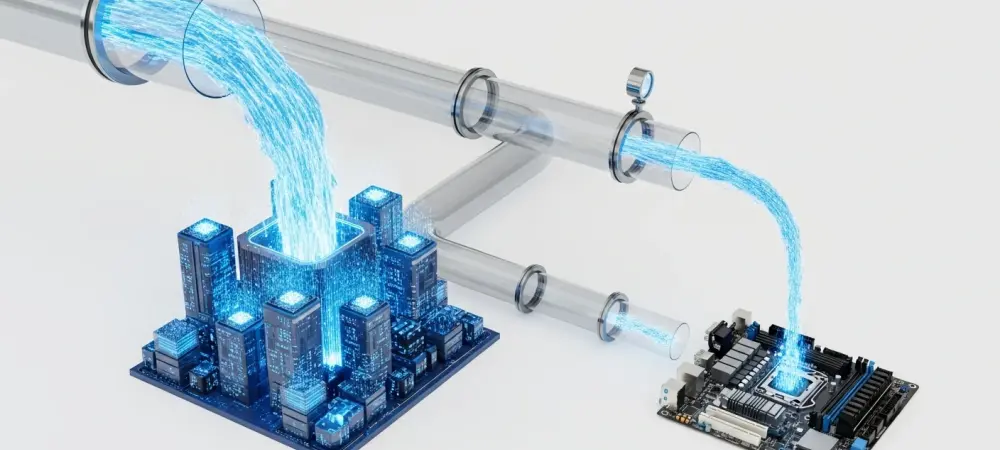
The components inside your next personal computer are rapidly becoming collateral damage in the artificial intelligence arms race, with memory prices leading the charge. A seismic shift is underway in the semiconductor industry, where the immense profitability of AI is diverting critical manufacturing resources away from the consumer PC market. This strategic pivot is creating an unprecedented squeeze on the supply of DDR5 RAM, sending prices soaring and signaling a turbulent period ahead for PC builders and manufacturers alike. The era of predictably affordable memory upgrades may be coming to an abrupt end.
The New Memory Battlefield AI’s Dominance Over the Consumer Market
The global memory semiconductor industry is now a tale of two vastly different markets. On one side stands the high-margin enterprise AI sector, demanding massive quantities of specialized, high-performance memory to power its data centers. On the other is the traditional consumer PC market, which has long relied on a steady supply of affordable standard memory. Key manufacturers like Samsung and Micron, who wield significant control over global production, are increasingly prioritizing the lucrative AI space, leaving the consumer segment to contend with the consequences of their strategic realignments.
This market divergence is rooted in a fundamental technological divide. AI applications depend on High-Bandwidth Memory (HBM), a sophisticated and complex memory architecture stacked directly onto GPU packages for maximum data throughput. In contrast, consumer PCs utilize standard DDR5 modules, which are less complex to produce but are now competing for the same limited fabrication capacity. As manufacturers retool their production lines for HBM, the supply of consumer-grade DDR5 is inevitably constrained, creating the perfect storm for a supply-demand imbalance.
The Data-Driven Price Surge
Following the Money Why Manufacturers Are Pivoting to AI
The primary driver behind this market upheaval is the exponential growth of AI. Data centers and GPU manufacturers have an insatiable appetite for memory, and they are willing to pay a premium for it. This has created powerful economic incentives for memory producers to shift their focus. The profit margins on specialized memory like HBM far exceed those of commodity consumer DDR5, making the business decision straightforward.
This strategic pivot is starkly illustrated by Micron’s plan to discontinue its entire Crucial consumer line of RAM and SSDs to concentrate on the more profitable enterprise and AI sectors. This move is not an isolated event but a clear signal of an industry-wide trend. Manufacturers are reallocating fabrication resources, prioritizing the production of high-density, high-performance modules destined for AI servers over the standard memory sticks that power everyday personal computers.
Shockwaves in the Supply Chain Projections and Market Reactions
The consequences of this production shift are already rippling through the supply chain. Market analysts are reporting on significant contract price negotiations, with some industry rumors pointing to Samsung preparing a DDR5 price increase of over 100% to $19.50. While unconfirmed, such figures reflect the intense upward pressure on memory costs. Forecasts from respected industry analysts like TrendForce corroborate this, predicting sustained and aggressive price hikes for consumer RAM throughout the year.
These developments are forcing immediate reactions from major PC manufacturers. Companies like Dell and Lenovo, which operate on thin margins, are facing a difficult choice: absorb the increased costs or pass them on to consumers. Industry insiders suggest that a likely outcome will be a change in product specifications, with manufacturers potentially reducing the amount of standard RAM in off-the-shelf systems to keep retail prices competitive, forcing consumers to pay more for adequate performance.
Navigating the DDR5 Bottleneck
The core challenge facing the PC market is a classic supply-demand imbalance. As memory manufacturers funnel more of their production capacity toward the AI sector, they are creating an artificial scarcity of DDR5 for consumer applications. This bottleneck is not a temporary glitch but a structural shift that will have lasting effects on the entire PC ecosystem, from large-scale system integrators to individual DIY builders.
The cascading effects of this shortage are multifaceted. System integrators will see their build costs rise, leading to higher prices for pre-built PCs. For consumers, the dream of an affordable, high-performance build is becoming more difficult to achieve. This new reality may force builders to compromise on memory capacity or speed, or delay upgrades altogether, as they wait for prices to stabilize—a stabilization that may not come anytime soon.
Standards Sanctions and the Semiconductor Squeeze
The AI boom is also placing immense pressure on the organizations that define memory technology. Industry standards bodies like JEDEC, which are responsible for developing specifications for new generations of RAM, must now balance the high-performance needs of the AI industry with the cost and accessibility requirements of the consumer market. This tension could influence the pace and direction of future memory innovation.
Furthermore, the global semiconductor supply chain remains vulnerable to geopolitical factors. Trade policies, tariffs, and sanctions can disrupt the flow of raw materials and finished components, adding another layer of complexity and cost to memory production. These external pressures, combined with differing quality control standards for enterprise-grade AI memory versus consumer DDR5, further influence how manufacturers allocate their precious production resources.
The Future of Your PC’s Memory
Looking ahead, the industry trends suggest that the baseline price for consumer memory components may be permanently higher. The high-profit gravity of the AI market has fundamentally altered the economic landscape for memory manufacturers, and a return to the low-price environment of previous years appears unlikely. The consumer market will have to adapt to being a secondary priority for the foreseeable time.
While next-generation memory technologies are on the horizon, their adoption in the consumer space could be impacted by the current market dynamics. The intense focus on AI may accelerate the development of specialized memory solutions while potentially delaying the widespread availability and affordability of technologies like DDR6 for the average consumer. The market is in a state of flux, and a disruptive new manufacturing technique or a shift in AI architecture remains one of the few possibilities that could alter the current trajectory of memory demand.
Final Verdict Upgrade Now or Pay the Price Later
The evidence paints a clear picture: the AI industry’s voracious demand for high-performance memory is fundamentally reshaping the consumer market. The strategic pivot by major manufacturers toward the more lucrative enterprise sector has created a direct and sustained pressure on the supply and cost of consumer-grade DDR5 RAM. This is not a temporary market fluctuation but a structural shift with long-term implications.
For consumers and PC enthusiasts, the market’s trajectory is unambiguous. All indicators point toward continued price increases and tightening availability for DDR5 memory throughout the year. The window of opportunity for affordable upgrades is closing rapidly. Therefore, the most prudent course of action is clear: purchasing necessary memory components sooner rather than later represents a strategic advantage against the inevitable price hikes to come.