

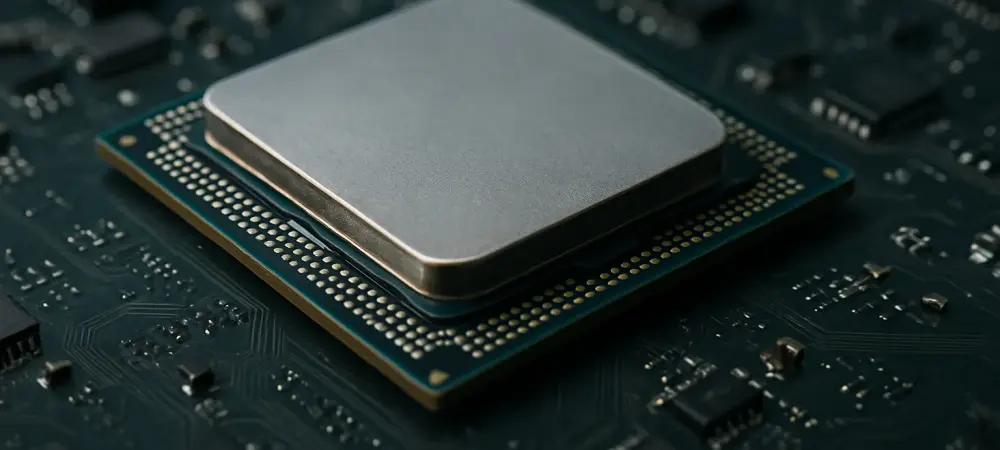
The long-standing benchmark for processor advancement, characterized by a relentless pursuit of higher clock speeds and greater core counts, is undergoing a profound transformation. A recently surfaced Geekbench benchmark for AMD’s forthcoming Ryzen AI 9 465 processor offers a compelling glimpse into this new reality, revealing performance metrics that are strikingly similar to those of its predecessor. Rather than signifying stagnation, these results point to a deliberate and significant strategic pivot within the industry. The era where raw computational power was the sole metric of progress is giving way to a more nuanced focus on specialized processing. This shift prioritizes on-device artificial intelligence capabilities, heralding a future where the intelligence of a chip is valued as much as its speed. This development suggests that the next generation of personal computing will be defined not by incremental gains in traditional tasks but by a revolutionary leap in how devices learn, adapt, and interact with the user in real-time.
A Closer Look at the AI-First Architecture
Leaked benchmark results for the upcoming processor, codenamed “Gorgon Point,” paint a clear picture of AMD’s revised priorities. The Ryzen AI 9 465 achieved a single-core score of 2,780 and a multi-core score of 12,001, figures that are virtually indistinguishable from the established performance of the existing Ryzen AI 9 365. This indicates a negligible improvement in conventional processing throughput, a decision reinforced by the chip’s core specifications. The new model retains the same 10-core/20-thread configuration, a 5.0 GHz maximum boost clock, and the integrated Radeon 880M GPU as its forerunner. This lack of a generational leap in CPU and GPU power is not an oversight but a calculated trade-off. The true innovation in this “Strix Point Refresh” lies within its specialized components. The centerpiece of the new design is a significantly upgraded Neural Processing Unit (NPU), a dedicated core engineered exclusively for AI-related workloads. This NPU is designed to deliver a higher number of AI TOPS (tera-operations per second), empowering devices to handle complex, real-time AI tasks locally without relying on cloud-based services.
Setting the Stage for a New Competitive Arena
The strategic direction embodied by the Ryzen AI 400 series marked a definitive turning point for the personal computing industry. It was a clear declaration that the competitive battleground had shifted from a straightforward race for higher GHz to a more complex contest for superior AI efficiency. This calculated move was widely interpreted as AMD’s strategic positioning for a major confrontation with Intel’s forthcoming Panther Lake series, with both titans preparing for an anticipated showdown at CES 2026. The decision to prioritize the NPU over the CPU signaled a broader trend toward on-device intelligence, influencing hardware design and software optimization across the ecosystem. Furthermore, the plan to expand the new AI-focused lineup to approximately seven different SKUs demonstrated a commitment to integrating these advanced capabilities across a wide range of devices and price points. This approach not only redefined performance metrics for enthusiasts and professionals but also reshaped consumer expectations, establishing a new standard where a device’s intelligence became a key measure of its value.