

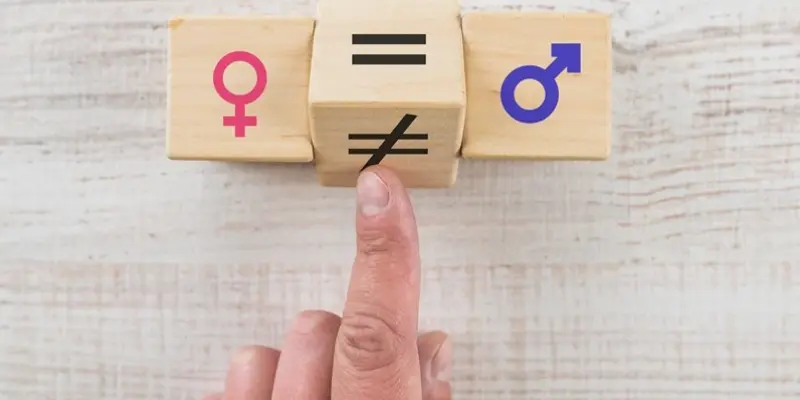
Despite numerous initiatives aimed at achieving wage equity, the gender pay gap remains a persistent issue. Efforts through legislation, organizational reforms, and advocacy, although they have made strides, have not fully eradicated the disparities. Significant barriers still limit wage parity, rooted in systemic issues that affect women’s earnings across different domains. The reasons behind this ongoing disparity are multifaceted, ranging from the impact of motherhood to the influence of job-seeking behaviors and industry-specific norms.
The Childbearing Penalty
Childbearing continues to significantly impact women’s earnings, often leading to what is referred to as the “childbearing penalty.” Mothers consistently earn less than fathers, a disparity that underscores the financial setbacks faced by women who take on parental responsibilities. The issue extends beyond merely the time taken off work or reduced hours; even when considering similar job roles and experience, the wage disparity persists. This penalty becomes even more pronounced for women of color, who face compounded inequities in the workforce.
Women with children typically earn 75 cents for every dollar earned by men with children, a figure that has remained stagnantly low. Fatherhood, conversely, tends to have a positive financial impact on men, with fathers earning approximately 2% more than their childless counterparts. This stark contrast highlights a systemic issue that continues to hinder progress in achieving wage equity. Such embedded disparities serve as a significant hindrance to closing the gender pay gap and underscore the need for workplace policies that support parental responsibilities more equitably.
Job Seeking and Flexibility Trade-offs
Women’s job-seeking behaviors also play a crucial role in the gender pay gap. Data suggests that women who actively seek new job opportunities tend to experience a narrower pay gap. This finding implies that job mobility and the willingness to switch positions can lead to higher wages for women. However, the decision to remain in current roles often aligns with the need for workplace flexibility, which allows women to balance work and family responsibilities. This trade-off frequently results in women accepting lower wages in exchange for crucial benefits like flexible work schedules.
This dynamic brings to light the ongoing challenge of balancing workplace flexibility with adequate compensation. Women who remain in roles that offer the flexibility they need might sacrifice competitive earnings, perpetuating the gender wage disparity. The uncontrolled gender pay gap reflects this, where this gap slightly widened to 83 cents from 84 cents previously. Thus, balancing flexibility and earnings continues to be a delicate and influential factor in the persistence of the gender pay gap.
Higher Education and Wage Gaps
Higher education is often seen as a pathway to better earnings, yet the gender pay gap persists even among highly educated women. The disparity becomes glaring when examining earnings among individuals with advanced degrees. Women with MBAs face one of the largest uncontrolled pay gaps, earning approximately 77 cents for every dollar earned by their male counterparts with the same degree. While the smallest uncontrolled pay gap is observed in health professional doctorates at 89 cents, other advanced degrees like law also demonstrate significant disparities, with women earning about 87 cents for every dollar made by men.
This data highlights that while higher education does offer opportunities to narrow the wage gap, it is not a panacea. Even in fields requiring extensive education and expertise, women still earn significantly less than their male counterparts. These disparities suggest that educational attainment alone cannot rectify systemic wage inequities. Moreover, these gaps underscore the need for interventions that go beyond education to address the underlying biases and structural barriers women face in the workplace.
Leadership and Career Advancement
The underrepresentation of women in leadership positions contributes notably to the persistent gender pay gap. Men, particularly white men, are more likely to occupy managerial and executive roles, thereby influencing organizational policies and remuneration structures. Women who do ascend to leadership roles often find themselves earning less than their male counterparts, further highlighting the disparities in both opportunities and compensation at the highest levels of organizations.
A detailed examination reveals that white men are predominantly found in leadership positions, with 45% of them serving in managerial or higher roles. In stark contrast, only 5% of white women and an even lower percentage of women of color (3-4%) achieve similar levels of career advancement. Furthermore, the controlled pay gap at the executive level shows women earning 93 cents for every dollar earned by men, with the uncontrolled gap widening to 72 cents. These findings illustrate that not only is there a significant gender divide in career advancement opportunities, but women also face substantial pay inequities even when they reach top positions.
Industry-Specific Challenges
Industry-specific norms and gender roles heavily influence the gender pay gap, with some sectors displaying more pronounced disparities than others. Fields traditionally dominated by men, such as legal services and management, tend to exhibit the largest pay gaps. For example, within the legal field, women earn around 63 cents for every dollar earned by men. Similarly, in management, the gap is approximately 79 cents to the dollar.
Even in industries with a predominantly female workforce, such as healthcare and education, pay gaps persist. Women in healthcare and education earn 89 cents and 91 cents, respectively, compared to their male colleagues. These figures indicate that traditional gender roles and sector-specific norms contribute significantly to the persistence of the pay gap. Although progress has been made in some STEM fields towards pay equity when controlling for job characteristics, representation remains an issue, with women still underrepresented in higher-paying roles within these industries.
The Impact of Pay Transparency Laws
State-level legislation on pay transparency has had a mixed impact on narrowing the gender pay gap. Certain states that have enacted such laws have seen improvements in controlling the pay gap, while others have not experienced significant changes. For instance, recent laws implemented in states like Illinois, Minnesota, New Jersey, Vermont, and Massachusetts have started showing positive effects on narrowing the pay gap. However, the overall efficacy of these laws varies, indicating that pay transparency measures alone are not sufficient to comprehensively close the gender pay gap.
Some states, like California, Connecticut, Maryland, and New York, have demonstrated progress in closing the pay gap, correlating with robust pay transparency laws. Conversely, states such as Montana, New Hampshire, and Washington have seen their pay gaps widen, showing that legislative efforts might not uniformly address the issue. The progress observed in states like Alabama, Delaware, and Nebraska, where the controlled pay gap has started to close, suggests that while transparency is a crucial step, it must be part of a broader strategy that includes organizational practices and societal changes to achieve real progress.
Persistent Systemic Barriers
Various systemic barriers continue to perpetuate the gender pay gap, exacerbating the difficulty in achieving wage parity. These barriers encompass biases in hiring and promotion practices, societal expectations surrounding gender roles, and the financial impacts of motherhood. Hidden biases and preferences in the workplace often influence hiring and promotion decisions, leading to unequal opportunities for men and women. Societal expectations further reinforce these disparities, affecting women’s career choices and advancement.
The financial impact of motherhood, already discussed, adds another layer of complexity. To address these deeply embedded issues, a multifaceted strategy is essential. Legislative action and organizational change must be coupled with cultural shifts. This includes emphasizing pay equity, promoting inclusive hiring practices, supporting parental leave policies, and encouraging flexible yet fair compensation structures. Only through addressing these systemic disparities comprehensively can significant strides be made toward closing the gender pay gap.
Paving the Way Forward
Despite various initiatives aimed at wage equality, the gender pay gap continues to be a pressing problem. Legislative efforts, organizational changes, and advocacy work have made progress but haven’t completely eliminated the disparities in pay between men and women. Numerous barriers still stand in the way of achieving complete wage parity, many of which are deeply ingrained in the system and affect women’s earnings in various fields. The reasons for these disparities are complex and include factors like the impact of motherhood on career advancement, job-seeking behaviors that differ between genders, and industry-specific norms that often favor men. While strides have been made, meaningfully closing the gender pay gap requires addressing these systemic issues and implementing comprehensive changes across various sectors. Only then can we hope to achieve true wage equity for all.