

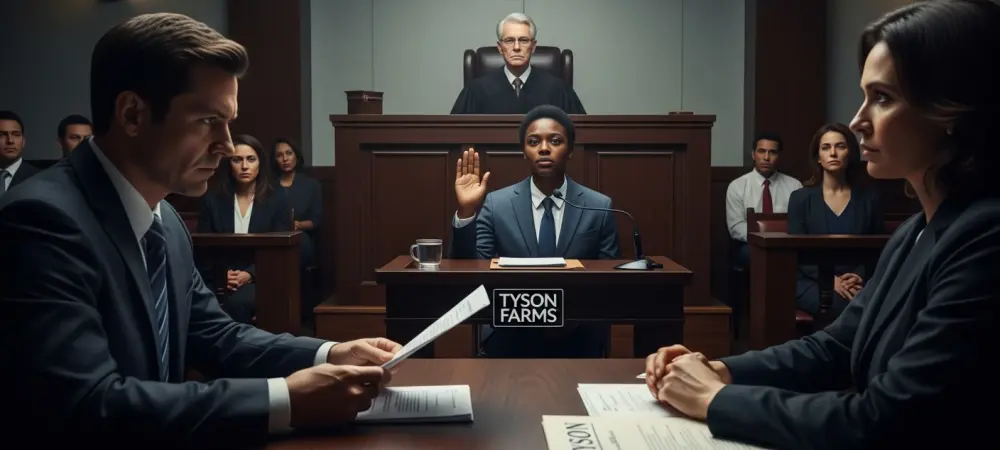
The modern industrial workplace is often viewed through the lens of efficiency and output, yet a harrowing federal lawsuit suggests that for some, the daily grind involves dodging life-threatening hostility. In the quiet corridors of a Tyson Farms facility in Ringgold, Virginia, a series of events allegedly unfolded that would challenge any notion of corporate safety and professional decorum. What began as internal grievances over discriminatory practices reportedly spiraled into a chilling encounter in a parking lot, where an employee faced a literal attempt on his life. This litigation moves far beyond typical human resources disputes, entering the realm of federal courtrooms and grave physical danger.
The shift from workplace friction to a reported shooting attempt marks a dark milestone for the global food giant. When an environment allows such volatility to fester, the “right-to-sue” notices issued by the Equal Employment Opportunity Commission (EEOC) serve as a significant legal threshold. These documents indicate that the federal government has seen enough evidence to allow the plaintiffs to bypass internal arbitration and seek justice in a public forum. It creates a jarring contrast between Tyson’s public-facing mission statements about diversity and the reality of a workplace where employees allegedly fear for their survival.
Deciphering the Systemic Failures at the Ringgold Plant
Filing a suit in the U.S. District Court for the Western District of Virginia is a heavy undertaking for any individual, particularly when the opponent is a multibillion-dollar corporation. This case highlights a disturbing trend where industrial environments occasionally become breeding grounds for hostile subcultures that management either ignores or facilitates. The allegations suggest that the infrastructure of the Ringgold plant failed to maintain the basic standards of racial equity and safety expected in a modern American enterprise.
For veteran employees, the stakes of such litigation are deeply personal, as they often lose their entire livelihood after daring to report misconduct. The narrative here reflects a broader national dialogue regarding how large companies monitor their middle management and lead employees. When a workplace culture becomes so insular that external legal intervention is the only path to resolution, it signals a complete breakdown of internal governance. These failures do not just impact the individuals involved; they cast a shadow over the entire manufacturing sector.
From Racial Slurs to Physical Threats: The Core Allegations
Alvin Clark, a veteran mechanic at the facility, describes a workplace defined by discriminatory gatekeeping and unprecedented hurdles. Despite his years of service and technical expertise, Clark alleges he was subjected to unique skills testing not required of his white peers. The psychological toll of this environment was compounded by the reported display of a noose, a symbol synonymous with racial terror. Such an act in a contemporary workplace serves as a visceral reminder of historical animosity that should have no place in a professional setting.
The hostility extended to those who stood in solidarity with Clark, as evidenced by the experience of Matthew Reeves. A white colleague who refused to distance himself from his Black coworker, Reeves claims he faced sexual threats and racial slurs as a direct result of his allyship. This cross-racial harassment suggests a pervasive culture where anyone challenging the status quo became a target. According to the filings, reports of these violent threats were met with indifference by Human Resources, leaving the victims to navigate a dangerous environment without the protection of their employers.
The Retaliation Timeline: Examining the Fallout of Whistleblowing
The sequence of events following the plaintiffs’ reports to the company’s internal hotline suggests a swift and coordinated effort to remove them from the workforce. Within a mere two-week window after documenting their safety concerns, both Clark and Reeves were terminated. The official reason provided—leaving the premises for lunch—is characterized in the lawsuit as a transparent pretext. In a facility where this was common practice among many employees, the sudden enforcement of this rule against the two whistleblowers points toward a retaliatory motive.
A particularly troubling aspect of the termination involves what the plaintiffs describe as a “Mental Health Day” trap. After being encouraged by HR to take time off to cope with the stress of the ongoing threats, the men were allegedly penalized for those very absences. This move represents a profound betrayal of the counseling process, weaponizing an employee’s vulnerability against them. The legal weight of these claims rests on the ability to reconcile years of positive performance reviews with a sudden, highly specific termination that occurred only after a hotline was called.
Protecting the Workplace: Lessons in Compliance and Internal Accountability
This case provides a stark lesson in identifying “red flags” before they culminate in federal litigation. For a reporting mechanism to be effective, it must operate with objective, third-party oversight, especially when internal HR departments are accused of being part of the problem. Substantive whistleblower protections require more than just a phone number; they require a corporate culture where safety reports do not result in the immediate scrutiny of the reporter’s lunch breaks or attendance records.
Establishing a safe and equitable environment necessitated the rigorous enforcement of existing safety protocols that were seemingly ignored in Ringgold. Legal benchmarks for identifying retaliatory patterns often look at the timing of disciplinary actions relative to protected activities. Moving forward, corporations must prioritize frameworks that decouple the reporting of violence from the fear of career termination. Ensuring that accountability reaches every level of the hierarchy was the only way to prevent such a total breakdown of organizational integrity and human safety.