

Unveiling a New Era of Work Dynamics
In today’s rapidly shifting economic landscape, a staggering 72% of workers are either actively engaged in side hustles or contemplating starting one, as revealed by recent workforce surveys, signaling a fundamental redefinition of how employees perceive career success and personal fulfillment. Side hustles, once mere supplements for extra income, now play a pivotal role in shaping professional identities and financial stability. This market analysis delves into the forces driving this transformation, examines current patterns within the hustle economy, and projects future implications for organizations and HR teams. The focus is on equipping businesses with strategic insights to navigate this evolving terrain, ensuring they remain competitive in attracting and retaining talent amid these changing dynamics.
Decoding the Hustle Economy: Trends and Data Analysis
Surge in Side Gig Participation Across Demographics
The hustle economy has seen unprecedented growth, with side gigs becoming a mainstream component of the modern workforce. Data indicates that 70% of employees view additional income streams as essential, not only for financial reasons but also for personal growth and skill development. This trend spans generations, with younger workers often embracing side hustles as entrepreneurial ventures, while older employees prioritize them for economic security. Industries such as creative arts frequently encourage these pursuits as a means of innovation, whereas sectors like healthcare express concerns over potential fatigue and divided focus. This diverse adoption underscores the need for organizations to understand varying motivations and tailor support accordingly.
Impact of Technology and Gig Platforms on Market Expansion
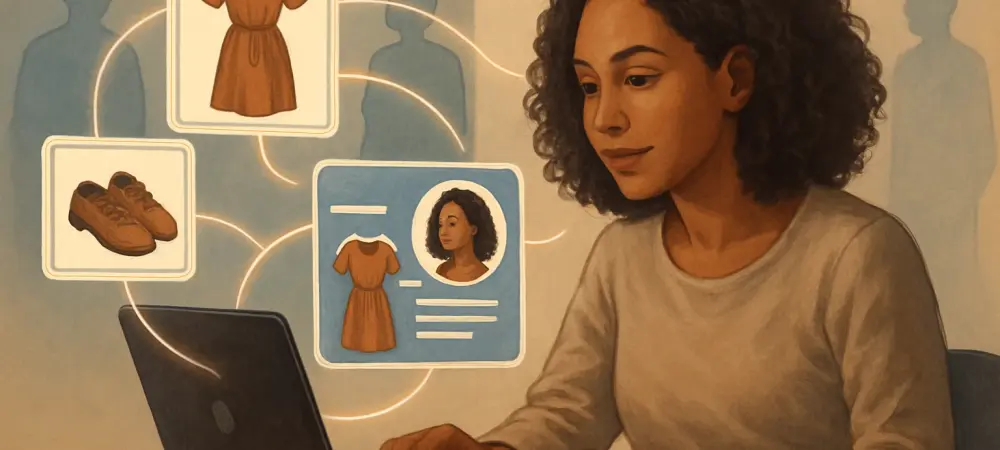
Technology has been a catalyst in amplifying the accessibility and appeal of side hustles. Platforms such as Uber, Etsy, and Upwork have lowered barriers to entry, enabling millions to monetize skills or hobbies with minimal upfront investment. The proliferation of digital tools has also allowed workers to manage multiple roles more efficiently, integrating side gigs into their daily routines. Looking ahead, internal talent marketplaces within companies are emerging as a trend, offering employees opportunities for growth without seeking external gigs. This technological evolution suggests a market poised for further expansion, where flexibility and digital connectivity will continue to drive participation rates.
Economic and Cultural Drivers Fueling the Shift
Beyond technology, broader economic uncertainties and cultural shifts are propelling the side hustle boom. Financial motivations remain significant, with many workers citing the need to cover rising costs or save for specific goals. However, a notable cultural pivot toward self-expression and entrepreneurship has redefined side gigs as pathways to identity and fulfillment. This dual driver—economic necessity paired with personal ambition—indicates a sustained market trend rather than a fleeting phenomenon. Companies must recognize these underlying forces to anticipate workforce expectations and align their strategies with this cultural transformation.
Projections for a Hustle-Driven Future: Market Outlook
Anticipated Growth and Regulatory Influences
Looking toward the coming years, specifically from 2025 to 2027, the hustle economy is expected to solidify its place within the labor market, with participation rates likely to climb as economic pressures persist. Regulatory changes, particularly around the right to disconnect—already gaining traction in regions like the EU—may reshape how businesses manage work-life boundaries. Such policies could mitigate the risks of overwork associated with side hustles, fostering a healthier balance. Organizations that proactively adapt to these potential regulations will likely gain a competitive edge in talent retention.
HR Technology as a Market Differentiator
The role of HR technology in supporting a hustling workforce is projected to grow significantly. Tools such as well-being dashboards, workload monitoring systems, and learning platforms are set to become standard, helping employees manage stress and pursue development within their primary roles. Companies investing in these technologies can position themselves as leaders in employee support, potentially reducing turnover linked to burnout from side gigs. This technological integration represents a critical market opportunity for businesses aiming to align with workforce trends.
Flexibility as a Competitive Advantage
Flexibility in workplace policies is forecasted to be a defining factor in the market’s evolution. Organizations that view side hustles as sources of innovation rather than distractions are likely to attract top talent. This shift involves creating environments where employees feel safe discussing their additional pursuits without fear of penalty. Market projections suggest that businesses embracing such adaptability will not only enhance employee satisfaction but also drive organizational resilience in an increasingly competitive landscape.
Reflecting on the Hustle Economy’s Impact and Strategic Pathways
Reflecting on the insights gathered, the rise of side hustles marks a transformative chapter in the labor market, reshaping how success and fulfillment are perceived by workers. The data underscores a clear trajectory of growth, driven by technological advancements and cultural shifts that prioritize personal ambition alongside financial needs. For HR leaders, the challenge is to balance organizational goals with employee autonomy, a task made complex by the diverse impacts of side gigs on performance. Moving forward, the strategic adoption of flexible policies and cutting-edge HR tools emerges as a vital step to support this dynamic workforce. Businesses are encouraged to foster open communication channels, allowing tailored solutions that turn potential conflicts into avenues for innovation. This approach promises to build trust and position companies as frontrunners in a hustle-driven economy, ensuring they thrive amid evolving market demands.