

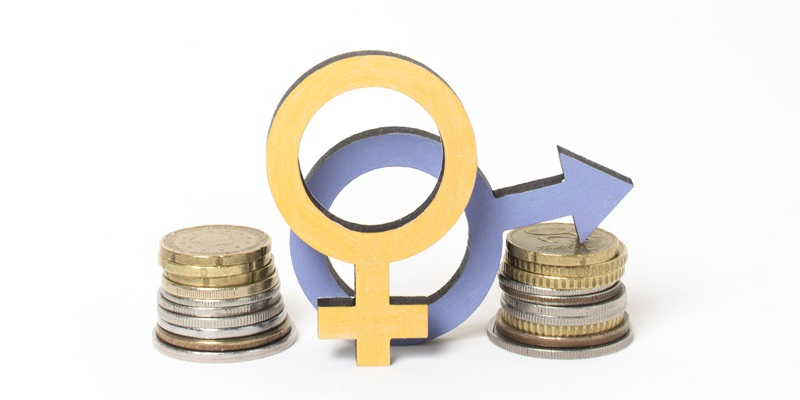
The gender pay gap in Europe continues to persist, with recent research from Ravio revealing that it currently sits at 26 percent. This significant gap clearly indicates the pressing need for more action to be taken to tackle this issue. In response, the European Union (EU) is set to introduce the EU Pay Transparency Directive, a legislative approach aimed at addressing and reducing the gender pay gap at both the organizational and societal levels.
Legislative Approach: The EU Pay Transparency Directive
Recognizing the urgency of the issue, the EU Pay Transparency Directive is expected to play a crucial role in combating the gender pay gap. This directive seeks to bring about change through legislative measures, ensuring greater transparency and accountability in pay practices across Europe.
Inequalities in Tech: A Focus on Junior Roles
Research indicates that some of the most striking inequalities in the gender pay gap are observed in the field of technology, particularly in junior roles predominantly occupied by women. This disparity suggests that discriminatory practices and biases may be deeply entrenched in certain sectors, hindering women’s opportunities for fair compensation and career advancement. Notably, women in executive positions or holding C-suite roles report no gender pay gap, emphasizing the importance of promoting gender diversity and equal representation in higher positions.
Comparison of pay gaps in European countries
When examining the gender pay gap in different European countries, France emerges as a comparative leader in addressing this issue, boasting the narrowest pay gap at 18 percent. Following closely behind, the Netherlands and Germany report pay gaps of 23 percent and 25 percent respectively. While these countries have made progress, it is clear that concerted efforts are still needed to bridge the pay gap and ensure equal opportunities across Europe.
Key changes under EU legislation
Under the forthcoming EU Pay Transparency Directive, crucial changes will be implemented to comprehensively address the gender pay gap. Firstly, companies will be required to make pay levels and career progression frameworks accessible to all employees, fostering greater transparency within organizations. Additionally, the directive will ban the secrecy surrounding salary information, enabling employees to have informed discussions about fair compensation and narrowing the gender pay gap. Furthermore, employers will be mandated to disclose the salaries of categories of workers, providing greater visibility into pay disparities, for instance, in junior staff members across multiple departments.
Taking Action as an Employee: Seeking Transparency and Career Advancement
If you find that your current employer lacks transparency concerning pay or career progression, it may be time to consider your options and explore new job opportunities. Seeking an organization committed to pay equity and transparency can contribute to personal and professional growth. The Tech EU Job Board serves as an excellent resource for those actively seeking such opportunities within the technology industry.
The Need for a Consistent Framework: Addressing the Gender Pay Gap in Europe
The Ravio research highlights the pressing need for a consistent framework to address the gender pay gap across various European countries. While progress has been made, it is crucial to establish unified approaches that account for national differences and work towards achieving gender equality and fair compensation. By adopting a consistent framework, European nations can learn from each other’s successes and collaborate effectively to ultimately close the gender pay gap.
In conclusion, the gender pay gap remains a significant challenge in Europe, necessitating further action to bridge this divide. The introduction of the EU Pay Transparency Directive represents a progressive step towards greater transparency and equality in the workplace. By addressing inequalities in tech, comparing pay gaps in different countries, implementing key changes under EU legislation, and empowering employees to seek transparency and career advancement, Europe can pave the way for a more equitable and inclusive future. It is imperative that a consistent framework is established to effectively address the gender pay gap, ensuring equal opportunities and fair compensation for all individuals across European countries.