

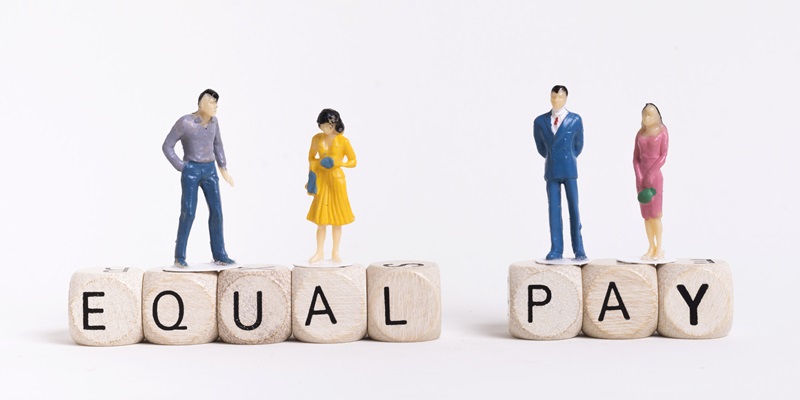
A new eight-figure equal pay settlement serves as a stark reminder of the costly consequences associated with gender bias in paychecks. The case revolves around Activision Blizzard, the renowned gaming giant, which recently faced legal action for failing to provide equal pay to women in California who performed substantially similar work as their male counterparts over a five-year period. Beyond the issue of pay disparity, the lawsuit also shed light on the denial of promotional opportunities and additional sex-based discrimination faced by women during this timeframe.
Lawsuit Allegations
The catalyst for this landmark settlement came in the form of a lawsuit filed by the California Civil Rights Department (CRD), which accused Activision Blizzard of violating the state’s Equal Pay Act and Fair Employment and Housing Act. The lawsuit highlighted the persistent wage gap experienced by women and the resulting financial losses and career setbacks that followed.
Legal Violations
The legal violations alleged by the CRD serve as a reminder of the importance of legislation designed to combat gender-based discrimination. The Equal Pay Act and the Fair Employment and Housing Act are crucial tools in ensuring fair compensation and equal opportunities for all individuals, regardless of gender.
Settlement Agreement Details
After extensive negotiation, Activision Blizzard has agreed to a settlement that could potentially reshape the landscape of the gaming industry. The company will pay approximately $54,875,000 to cover relief for workers and litigation costs, with a significant portion of the amount, around $45,750,000, being allocated to a settlement fund designed to compensate affected workers. Importantly, any excess funds will be distributed to charities focused on advancing women in the video game and technology industries, as well as promoting awareness about gender equality in the workplace.
Independent Review of Policies
Recognizing the need for systemic change, Activision Blizzard will hire an independent consultant to thoroughly review and evaluate the company’s compensation and promotion policies. This unbiased evaluation will provide vital insights and recommendations to ensure that fair practices are implemented moving forward. The aim is to eliminate any remnants of gender bias and create an inclusive and equitable working environment.
Diversity, Equity, and Inclusion (DEI) Efforts
In addition to the settlement, Activision Blizzard pledges to continue its Diversity, Equity, and Inclusion (DEI) efforts. The company aims to increase representation from underrepresented communities by actively seeking out and considering qualified candidates in their recruitment and hiring processes. By fostering a diverse workforce that reflects the broader gaming community, Activision Blizzard hopes to cultivate an environment that values different perspectives, ideas, and experiences.
Relationship to Previous Allegations
It is important to note that this current equal pay settlement is separate from the 2021 consent decree that Activision Blizzard entered into with the Equal Employment Opportunity Commission (EEOC). The previous consent decree addressed allegations of sexual harassment, which further underscores the need for comprehensive and ongoing efforts to address all forms of discrimination within the company.
The Activision Blizzard equal pay settlement serves as a pivotal moment in the fight for gender equality within the gaming industry. This landmark case highlights the enduring challenges faced by women in obtaining fair compensation and equal opportunities. By acknowledging the violations and taking tangible steps to rectify the situation, Activision Blizzard has shown a commitment to dismantling systemic barriers and fostering a more inclusive and equitable workplace culture. The implications of this settlement extend beyond the company itself, as it sends a powerful message to the industry as a whole: It is time to confront gender bias and create a future where individuals are rewarded based on their contributions, not their gender. Only through collective action and continued vigilance can the gaming industry truly become a place where diversity and equality thrive.