

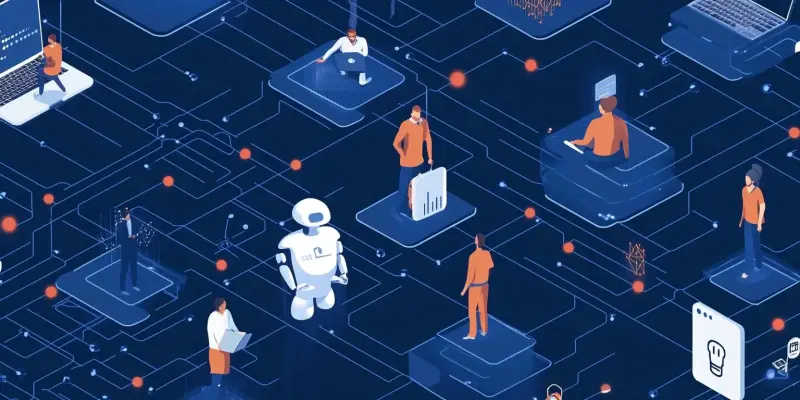
In an era marked by unprecedented technological advancements, AI literacy is emerging as a critical component for future workforce success. The rapid evolution of artificial intelligence has significant implications for various industries, making it essential for employees to be proficient in AI-related skills. Which surveyed 1,000 U.S. hiring managers, sheds light on this growing trend. The report reveals that 47% of HR managers consider AI abilities the most valuable hard skill for 2025 resumes, underscoring the importance of AI literacy in the professional landscape.
The Rising Demand for AI Skills
AI’s Increasing Role in the Job Market
Artificial intelligence is transforming the job market, automating repetitive tasks, and enabling more efficient business operations. According to the survey, AI skills top the list of desirable competencies, outpacing sales and customer relationship management skills (40%) and data analysis and visualization expertise (39%). This shift reflects the significant impact of AI, as businesses seek candidates capable of leveraging technology to drive immediate contributions. Companies are recognizing that employees with AI proficiency can handle complex data, provide better customer insights, and enhance overall operational efficiency.
Despite the evident advantages, there is an alarming labor shortage in AI talent. Amazon Web Services (AWS) states that 73% of employers prioritize hiring AI experts, reinforcing the high demand for these skills. However, 75% of employers are struggling to find qualified individuals to fill these roles. This talent gap is driving many organizations to consider upskilling their current workforce to bridge the divide. The AWS report highlights significant benefits of AI integration, such as task automation (64%), improved workflows (58%), enhanced communications (54%), and skill learning (50%). These advantages illustrate why the demand for AI knowledge is soaring, despite the ongoing challenges in sourcing suitable talent.
Balancing AI with Critical Human Abilities
While AI skills are increasingly valued, the importance of soft skills such as problem-solving (68%), communication (65%), and time management (64%) remains undiminished. A balanced skill set combining both AI literacy and essential human abilities is crucial for optimizing workplace efficiency. HR professionals must recognize that AI cannot replace all human tasks. According to IBM experts, maintaining a competitive edge requires employees who can effectively integrate AI into their everyday responsibilities while relying on critical thinking and interpersonal abilities.
Chief Human Resources Officers (CHROs) play a pivotal role in this transition by identifying roles suitable for automation versus tasks requiring a human touch. This dual approach helps companies maximize the potential of AI while ensuring that essential human skills are not overlooked. By fostering both technical and soft skill development, organizations can create a versatile, adaptive workforce capable of thriving in an increasingly digital landscape. The necessity for ongoing education and skill acquisition is clear, whether through formal training programs or on-the-job learning opportunities.
Strategic Approaches to AI Upskilling
Employer Initiatives for Skill Enhancement
To address the current talent shortage and keep pace with technological advancements, employers are investing in initiatives aimed at enhancing AI literacy among their existing workforce. Upskilling initiatives are becoming integral as companies seek to empower employees with the knowledge and competencies needed to navigate AI’s complexities. From online courses to in-person training sessions, a variety of educational pathways are being utilized to cultivate a workforce adept in AI tools and applications. This not only helps fill immediate skill gaps but also ensures long-term adaptability as AI technologies continue to evolve.
Organizations such as IBM emphasize the importance of structured skill development programs. By providing hands-on training and real-world applications, employees can gain valuable experience in deploying AI solutions. Furthermore, partnerships with educational institutions and professional development organizations are increasingly common. These collaborations help create standardized curriculum and certification programs that align with industry needs. As a result, the workforce becomes more proficient, reducing the talent shortage while enhancing overall organizational performance.
Roles and Responsibilities of CHROs
In a time of rapid technological progress, AI literacy has become a crucial component for future workforce achievement. The swift development of artificial intelligence impacts numerous industries, making it crucial for workers to have AI-related skills. A recent survey by Resume Builder, which polled 1,000 U.S. hiring managers, highlights this growing trend. The findings reveal that 47% of HR managers consider AI expertise the most important hard skill for resumes by 2025, emphasizing the necessity of AI literacy in today’s professional world. As technology continues to evolve, the demand for employees versed in AI is only expected to grow. The implications for education and career development are profound. Workers who can understand and apply AI tools will be in high demand across various sectors, from tech to healthcare. Thus, cultivating AI proficiency is not just a competitive advantage but a fundamental requirement for future career success. As businesses increasingly integrate AI into their operations, the workforce must evolve to harness this technology effectively.