

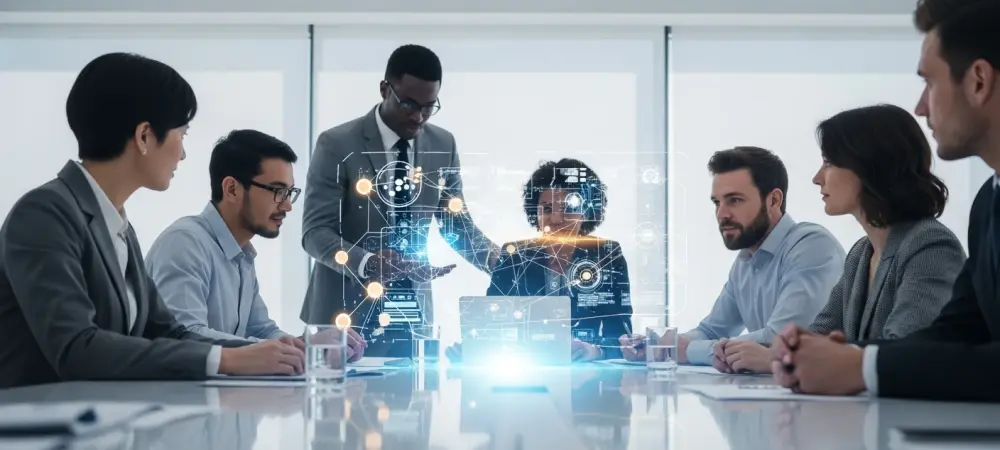
The modern workplace is becoming a fascinating paradox, where the exponential growth of artificial intelligence is met with an equally powerful demand for deeply personalized and human-centric employee experiences. As organizations plan for the coming years, human resources leaders find themselves at the nexus of this profound transformation, tasked with the critical challenge of harmonizing advanced technology with the timeless need for human connection and purpose. Success no longer hinges on simply implementing new software or updating policies; it requires a holistic rethinking of the entire talent management ecosystem. The companies poised to thrive are those that embrace a multi-faceted strategy built upon three core pillars: deep personalization of the employee journey, the strategic application of technology and data, and the cultivation of a collaborative environment where humans and AI work in tandem. This integrated approach is becoming the definitive blueprint for enhancing employee retention and fostering an authentic, resilient, and forward-looking workplace culture.
The New Imperative of Personalization
The era of the one-size-fits-all approach to employee engagement and benefits is rapidly drawing to a close, largely driven by the evolving expectations of a workforce increasingly composed of younger generations. These employees, accustomed to the hyper-personalized experiences of their digital lives as consumers, now expect a similar level of tailoring from their employers. Generic benefits packages and standardized career ladders are perceived as outdated and impersonal, failing to acknowledge the diverse needs and aspirations of a modern workforce. To genuinely improve retention, organizations must move towards highly customized offerings. This includes providing a flexible array of benefits that might encompass expanded mental health support, personalized financial wellness coaching, or caregiving assistance. The goal is to empower employees to select the support that is most relevant to their individual circumstances, demonstrating that the organization values them as unique individuals rather than as interchangeable assets. This shift is not merely a trend but a fundamental redefinition of the employer-employee contract.
This deep commitment to personalization must extend beyond benefits and into the very fabric of professional development and career progression. The most forward-thinking organizations are abandoning rigid, uniform training programs in favor of dynamic upskilling and reskilling initiatives that align directly with individual career ambitions. By leveraging technology to map out personalized learning pathways, companies can provide employees with the specific skills and knowledge they need to advance in their desired direction, whether that involves moving into a leadership role or transitioning to a different department. This focus on internal growth serves a dual purpose: it equips the workforce with the capabilities required to meet future business challenges while simultaneously fostering a profound sense of loyalty and engagement. When employees see a clear and attainable path for advancement within their current organization, one that is tailored to their personal goals, they are significantly more likely to invest their long-term future with the company.
Integrating Technology and the Human Element
The strategic deployment of technology and data analytics is empowering human resources departments to transition from a historically reactive posture to a proactive and predictive one. Organizations now have access to a wealth of employee data that, when analyzed ethically and effectively, can reveal critical insights into workforce health and stability. By identifying trends and patterns in engagement levels, communication frequency, and performance metrics, leaders can anticipate potential turnover risks long before an employee decides to leave. This data-driven approach allows for timely interventions, such as a supportive conversation from a manager or an adjustment in workload, that can address root causes of dissatisfaction. Moreover, technology can be instrumental in cultivating a culture of transparent, two-way communication. Digital platforms that facilitate regular feedback, peer-to-peer recognition, and open forums for discussion help create an environment where employees feel their voices are heard and their contributions are genuinely valued, strengthening their connection to the organization’s broader mission. The organizations that successfully navigated the integration of advanced technologies were those that resolutely placed human needs and capabilities at the center of their strategy. They understood that as AI and automation began to handle routine, process-oriented tasks, the value of their human workforce would shift toward complex, creative, and strategic work that technology could not replicate. Their primary investment was not just in new tools, but in the long-term upskilling of their people, with a particular focus on fostering AI literacy across all departments. This proactive educational approach helped demystify the technology and reframe the narrative from one of replacement to one of collaboration. By providing hands-on opportunities to work with AI systems, these companies empowered their employees to envision their future roles, ensuring that the powerful synergy between human ingenuity and artificial intelligence became the primary driver of innovation and sustained competitive advantage.