

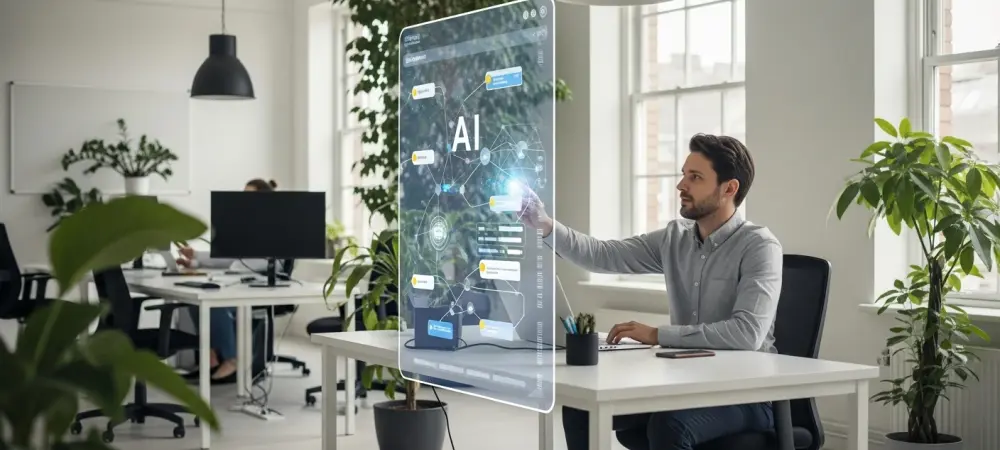
A fundamental transformation is underway within the corporate landscape, compelling Chief Human Resources Officers to navigate a complex environment where technology and humanity are becoming inextricably linked. According to a comprehensive survey of 426 CHROs, artificial intelligence is no longer a peripheral tool but the central, disruptive force demanding a complete reevaluation of the HR function. This consensus highlights a critical turning point where AI is viewed not just as a means for process optimization but as a key driver of strategic decisions, forcing organizations to reconsider the very nature of work, talent, and leadership. The pressures are mounting for HR leaders to move beyond traditional administrative roles and architect a future-proof framework that can sustain growth and engagement in an era defined by rapid technological advancement and persistent uncertainty. This has elevated the AI transformation from a departmental initiative to the top organizational priority, signaling a profound shift in how businesses approach human capital management.
Navigating the Human-Machine Workforce
The primary mandate for HR leaders is to develop and implement a clear, department-specific AI strategy designed to fundamentally reshape internal operations. By automating transactional duties, organizations are unlocking significant efficiency, with projections indicating productivity gains of up to 29%. This evolution requires more than just adopting new software; it necessitates a complete redesign of the HR operating model, allowing professionals to pivot from administrative tasks to strategic talent leadership and the creation of highly tailored employee experiences. This transition is critical as AI systems are increasingly seen as viable alternatives for certain roles, prompting a necessary rethinking of strategic workforce planning. The goal is to align HR efforts more directly with tangible business impact, ensuring that both human and digital resources are deployed effectively to drive organizational goals forward. This strategic integration is the first step toward building a resilient and agile HR function capable of leading through change.
Beyond internal process optimization, a second critical priority has emerged: preparing the entire organization for the human-machine era. This involves creating a sophisticated “now-next” talent strategy designed to manage a blended workforce where human employees and AI systems collaborate seamlessly. The focus is on ensuring organizational readiness for future work scenarios by identifying emerging skill gaps and developing pathways for employees to adapt and thrive alongside intelligent automation. This proactive approach to talent management is essential for maintaining a competitive edge. It forces HR to redefine everything from job descriptions and career progression models to the core employee value proposition, ensuring the company can attract, retain, and develop individuals who are adept at working in a technologically augmented environment. This preparation is not a one-time initiative but a continuous process of aligning talent strategy with the evolving demands of a digitally transformed workplace.
Cultivating Leadership and Culture Amidst Disruption
With the technical framework for AI in place, the focus shifts to the uniquely human elements of leadership and culture. HR leaders are now tasked with mobilizing managers to treat change not as an occasional, disruptive event but as a routine and instinctive part of daily work. This cultural shift is paramount for organizational agility. Research indicates that companies that successfully embed this mindset are three times more likely to achieve successful adoption of major initiatives. The challenge for HR is to equip leaders with the necessary skills to guide their teams through persistent uncertainty, fostering resilience and adaptability. This involves redefining leadership expectations to emphasize continuous coaching, transparent communication, and the empowerment of employees, moving away from traditional top-down management styles toward a more dynamic and supportive leadership model that can navigate the complexities of a rapidly changing business environment.
The final, and perhaps most crucial, priority is to actively combat the risk of culture atrophy in a hybrid and digitally mediated workplace. As automation handles more routine interactions, there is a risk that the intangible elements that define an organization’s identity can erode. To counteract this, HR is pioneering strategies to embed desired cultural values directly into employees’ daily tasks and workflows. This proactive approach makes culture a tangible and actionable part of the employee experience rather than an abstract concept. By integrating values into performance metrics, recognition programs, and collaborative processes, companies can reinforce their core principles consistently. This method has been shown to increase employee performance by up to 34%, demonstrating a clear link between a strong, actively managed culture and tangible business outcomes. It ensures that as the organization evolves technologically, its human core remains strong, aligned, and motivated.