

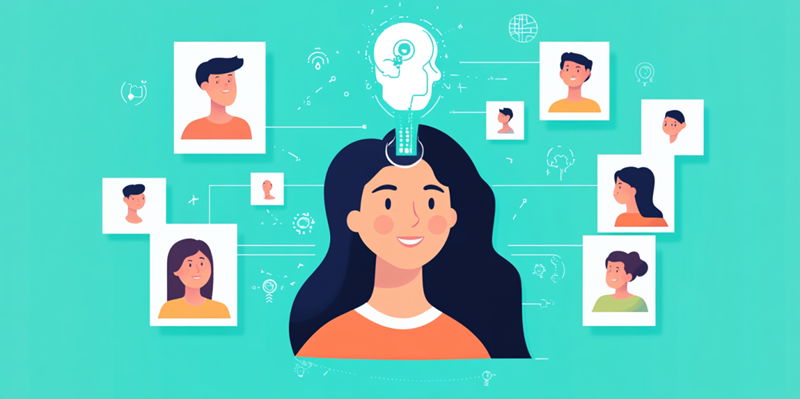
Artificial intelligence has emerged as a game-changer in the realm of talent management, fundamentally altering the way organizations approach workforce analytics, employee training, and succession planning. Companies can now make more precise and objective hiring decisions by leveraging AI to analyze resumes and predict candidate success based on various metrics. This technological advancement also enables the constant tracking of employee performance and engagement, providing valuable insights that can be used to boost productivity and preemptively identify signs of potential attrition through sophisticated machine learning models.
AI’s influence extends to employee training, where it customizes programs to tailor learning experiences according to individual needs and preferences. This personalized approach significantly enhances skill development and overall workforce competence, ensuring that employees are not only well-trained but also continuously developing in areas critical to the organization’s success. AI-driven training modules can adapt in real-time to an employee’s progress, offering additional resources or alternative methods of learning if needed, thereby ensuring a more efficient and effective training process.
Succession planning has also been transformed by AI, which identifies potential future leaders within an organization by meticulously analyzing performance data and career progression patterns. This data-driven approach ensures a seamless transition and continuity in leadership roles, minimizing disruptions that can occur during shifts in management. By predicting which employees are most likely to succeed in leadership positions, companies can proactively invest in their development, fostering a robust pipeline of capable leaders ready to step up when the time comes.
The overarching trend in talent management today is towards a data-driven approach, which effectively reduces human biases, enhances decision-making accuracy, and fosters a proactive management style. By integrating AI, organizations can navigate the complexities of workforce management with greater agility and confidence, ensuring sustained growth in an increasingly competitive business environment. The transformative impact of AI makes it an indispensable tool for modern workplaces, empowering them to make smarter decisions and enhance employee experiences in ways previously unimaginable.