

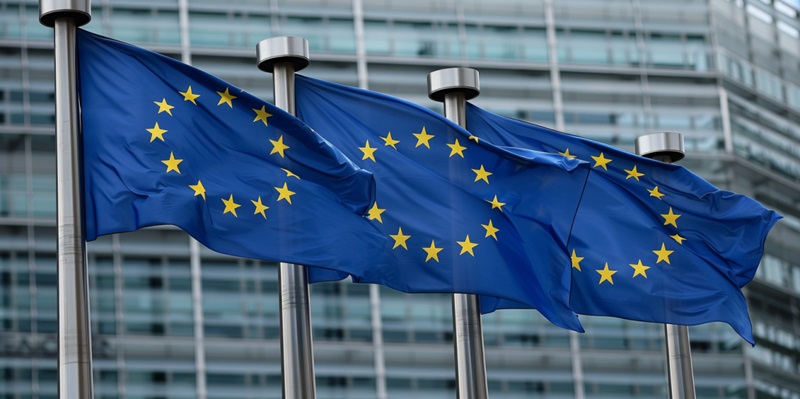
June 2023 marked a pivotal moment in the European Union’s quest to eradicate gender-based pay inequities with the launching of the Pay Transparency Directive. This bold initiative seeks to pull back the curtain on the mechanisms of wage determination in the hope of bridging gender pay gaps that continue to persist, averaging 13% across EU states as of 2020. Although the United Kingdom has since parted ways with the EU, the reverberations of this policy are anticipated to affect British employers, especially those with operations within EU borders. This introduction sets the stage for a closer examination of the directive’s provisions and the resulting implications for UK workplace culture and gender pay gap legislation.
The EU Pay Transparency Directive Explained
Background and Key Requirements of the Directive
In the face of an unyielding gender pay gap, the EU put forth the Pay Transparency Directive—a clear indication of its dedication to achieving wage parity. This initiative imposes stringent requirements on employers to disclose gender-based pay discrepancies publicly for companies boasting a workforce of 100 employees or more. For those employing 250 or more, an annual disclosure is mandated. While smaller entities, those with a number of staff ranging between 150 to 249, are given a reporting reprieve, being only required to disclose every three years. This landmark directive emanates from a shared recognition of the importance of transparency in strides toward gender pay equality, compelling employers to introspect and rectify any disparities that exceed the 5% pay gap threshold.
Obligations for Employers Under the Directive
Digging deeper into employer obligations, the directive makes no compromises in its demands for transparency. Companies that uncover a gender pay gap surpassing 5% are obliged to not only disclose these figures but also conduct a thorough examination of the causes and develop a concrete action plan to address them. This signifies a significant shift from passive acknowledgment to proactive redressal, ensuring employers are held accountable for fostering wage fairness.
Transparency in Job Advertisements and Salary Negotiations
Advancements in Job Posting Standards
The directive introduces a transformative change to the recruitment landscape by mandating the declaration of salary ranges in job postings. This legal requirement strives to level the playing field for all job seekers, enabling an informed decision-making process even before entering into negotiations. The repercussions of such unreserved candor in job advertisements echo the sentiment of the wider workforce. In a survey by Reed.co.uk, an overwhelming number of respondents showed a tendency to exclusively apply to roles with clear salary information. Thus, the integration of pay transparency into job postings is seen as not only ethical but highly practical, potentially streamlining the hiring process by ensuring upfront clarity on remuneration.
Prohibitions and Expectations in Salary Discussions
The new directive fortifies the individual’s negotiating position by prohibiting employers from prying into salary histories—a practice that perpetuates gender wage disparity. Additionally, companies are now compelled to offer detailed insight into the factors governing pay determination. These can range from the criteria for promotions to the methodologies behind salary increases. This marks a decisive step towards diminishing obscurities around compensation, granting candidates and employees alike a sturdier platform to question and negotiate their wages.
Impact on UK Employers and Workplace Culture
Ripple Effects for British Companies in the EU
For British businesses that extend their footprint into the EU, the directive’s implications are direct: comply or face consequences. These entities are required to conform to the EU’s stipulations for the segments of their workforce operating within EU territory. The indirect effect, however, could be more far-reaching. Expectations around pay transparency, once entrenched in EU standards, could prompt similar demands from employees in the UK. This has the potential to inspire a shift in the UK’s corporate standards to mirror the openness promoted by the EU directive.
Influencing the UK’s Approach to Pay Transparency
The EU’s determined stance on pay transparency may incite a ripple of inspiration across the English Channel. Currently, the UK’s legal requirements fall short of the EU’s rigor, particularly around job salary advertisements and comprehensive analysis of pay disparities. Multinational companies with operations in both regions might opt for a uniform approach, preemptively adjusting their UK policies to align with the higher EU standard. This evolving dynamic hints at a future where UK domestic policy is shaped, in part, by the flow of progressive European labor laws.
Anticipating Changes in Labor Regulations in the UK
UK Labour Party’s Response to Pay Transparency
As the prospect of a 2024 general election looms, the Labour Party in the UK has begun to craft its appeal to the working population with its “New Deal for Working People,” signifying a commitment to more aggressively address the gender pay gap. These proposed reforms could undergo further refinement, possibly drawing inspiration from the recent EU directive to enhance the current gender pay gap reporting structures within the UK.
The Benefits of Proactive Adaptation
For UK employers, the gravitation towards greater pay transparency could yield several advantages. Companies with an entrenched culture of transparent pay structures are currently at the forefront, setting a precedent that others may soon be obliged to follow. But beyond mere compliance, adopting a more open approach may significantly enhance employee attraction and retention. It’s a compelling case for UK employers to consider integrating such policies even before they become mandatory by UK law.
Strategic Adjustments for UK Employers
Reviewing and Improving Current Pay Practices
Adapting to the EU directive’s standards calls for a thorough review by UK employers of their current pay practices. It demands an honest reflection on where improvements can be made—specifically in the realms of clarity about pay grades, salary listing in job advertisements, and fairness in performance management. The assessment must be both meticulous and sincere; employers who navigate this transition effectively will likely find themselves better positioned in an increasingly competitive talent market.
Preparing for an International Norm in Pay Openness
The European Union unveiled the groundbreaking Pay Transparency Directive in June 2023, a measure designed to cast light on the often opaque wage-setting processes and tackle the stubborn gender pay discrepancies that persist, with a gap of about 13% across EU nations as of 2020. This progressive directive aims to challenge and reduce gender-based pay inequity by enhancing salary transparency. Although the UK is no longer part of the EU, the impact of this move is expected to reach British companies, particularly those with EU operations. The directive could potentially reshape the UK workplace policy landscape and advance the conversation about gender pay disparity. It is a defining step that underscores both the EU’s commitment to gender equality and the ongoing dialogues around fairness in compensation within the UK workplace.