

Industrial facilities often struggle to maintain a steady pulse when the very individuals responsible for the machinery decide to exit before their second paycheck arrives. The modern industrial landscape faces a persistent gap between vacant roles and a workforce willing to endure physically demanding environments. Consequently, the sector experiences a revolving door effect that threatens the stability of manufacturing and logistics operations globally. Since these industries underpin the economy, the stakes of front-line attrition remain exceptionally high.
The Critical State of the Modern Industrial Workforce
Technological shifts and changing worker expectations create a complex friction in the current labor market. Laborers now prioritize flexibility and engagement over traditional static roles. Without a stable foundation, industrial hubs risk operational stagnation as seasoned veterans retire and new recruits fail to integrate.
Strategic Shifts in Industrial Talent Management
Prioritizing Mentorship and Human-Centric Support for New Generations
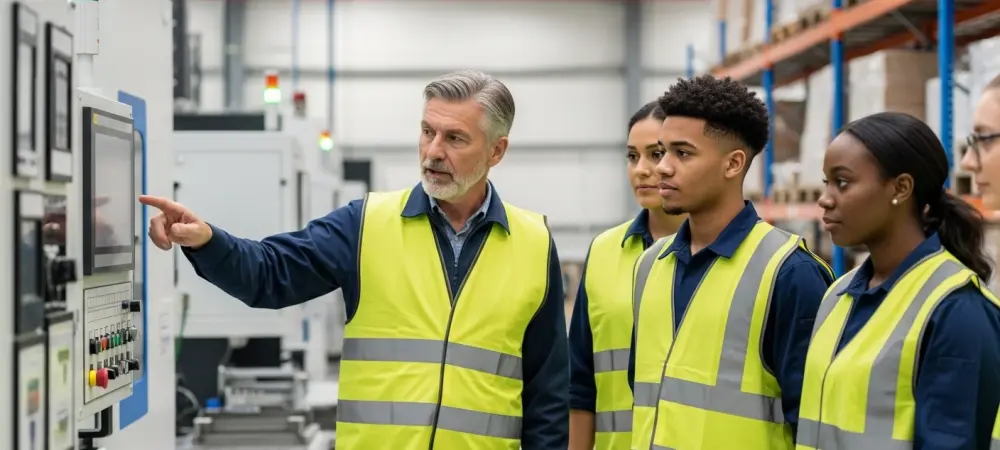
Modern management strategies emphasize organizational grounding over administrative policy reviews. This approach proves vital for attracting Generation Z, who value interpersonal connection and structured mentorship. Moving toward a culture of support ensures that workers feel valued as individuals rather than just components in a production line.
Analyzing the High Cost of Onboarding Friction and Turnover Statistics
Data suggests that nearly 40% of new hires reconsider their employment decision within the first few weeks due to orientation-phase regret. When the initial experience feels like a bureaucratic trap, attrition spikes, causing significant financial losses. Efficient training paths conversely accelerate shop-floor productivity and lower long-term overhead costs.
Breaking the Revolving Door: Overcoming Traditional Onboarding Barriers
Overcoming early attrition requires a balance between technical skill development and soft-skill integration. Companies must implement feedback loops during the first 90 days to identify where job expectations diverge from reality. Addressing these disconnects prevents the frustration that typically leads to mid-shift walkouts.
Navigating Compliance and Safety Standards in Industrial Integration
Safety training is essential but often becomes an overwhelming barrier during the orientation phase. Streamlining mandatory certifications through modular learning allows for compliance without exhausting the recruit. Standardizing these procedures ensures that safety becomes a natural part of the culture rather than a rigid administrative hurdle.
The Evolution of Industrial Onboarding: Tech-Driven and Culture-First
Immersive technologies like digital twins and AR now provide risk-free environments for mastering complex machinery. Automation handles repetitive administrative tasks, which frees up time for human-centric leadership. These personalized learning paths foster internal mobility, ensuring that workers see a long-term future within the organization.
Transforming Onboarding from an HR Routine into a Strategic Advantage
The transition from simple paperwork to deep cultural integration proved to be the most effective remedy for the labor crisis. Organizations that treated the first 90 days as a strategic investment secured higher retention rates and protected their bottom line. This holistic focus ultimately redefined industrial competitiveness by prioritizing human capital as the ultimate operational asset.