

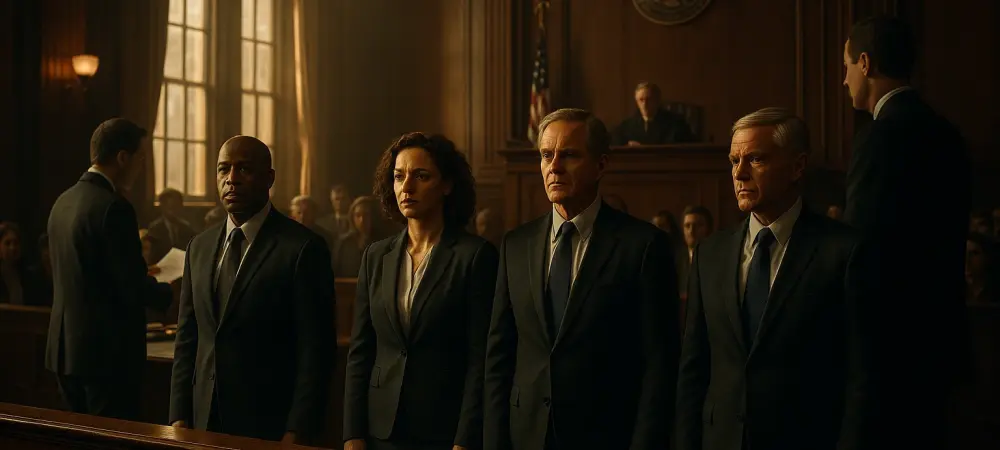
Imagine a federal workforce where dedication to diversity and equity becomes a target for termination—a scenario that has ignited a firestorm of legal and ethical debate. In a bold challenge to executive power, four former federal employees have stepped forward with a class-action lawsuit, accusing the Trump administration of unlawfully firing individuals in diversity, equity, inclusion, and accessibility (DEIA) roles. This case, filed in the U.S. District Court for the District of Columbia, raises a piercing question: do these terminations cross the line into civil rights violations, or are they a legitimate exercise of presidential authority? The stakes couldn’t be higher, as the outcome could redefine the boundaries of workplace protections and executive influence in government employment.
Background of the Controversy
The lawsuit, known as Fell v. Trump, marks a significant clash between civil rights advocates and the current administration’s policy directives. Filed on December 3 of this year, it centers on executive orders described by plaintiffs as “anti-DEI,” which allegedly led to the targeted dismissal of federal workers based on their association with diversity initiatives. These firings, the plaintiffs argue, weren’t just routine staffing changes but deliberate purges aimed at silencing voices of equity and inclusion. Beyond the individual impact, this case shines a spotlight on the tension between a president’s power to shape the workforce and the legal safeguards meant to shield employees from discrimination.
This controversy unfolds against a backdrop of polarized national discourse on diversity programs. DEIA roles have long been a lightning rod, with supporters championing their role in fostering fairness and critics decrying them as ideological overreach. As such, the lawsuit isn’t just a legal battle but a microcosm of broader societal debates about the place of equity initiatives in government. The resolution of this case could send ripples through federal employment policies, potentially altering how future administrations approach staffing decisions tied to ideological priorities.
Methodology and Key Evidence
To unpack the layers of this legal challenge, an in-depth analysis was conducted of court filings, executive orders, and public statements from both the plaintiffs and the administration. Relevant legal frameworks, including the First Amendment, Title VII of the Civil Rights Act of 1964, and the Civil Service Reform Act, were examined to assess the validity of the claims. Additionally, demographic data on the affected employees was reviewed to evaluate allegations of disproportionate impact on specific groups, ensuring a comprehensive understanding of the case’s factual and legal underpinnings.
The findings reveal a stark divide in narratives. The plaintiffs assert that the firings discriminated based on perceived political beliefs, race, and gender, disproportionately affecting women, non-binary individuals, and people of color. They claim the administration’s use of derogatory labels like “DEI workers” stripped them of professional recognition, framing their roles as ideological rather than merit-based. In contrast, White House spokeswoman Abigail Jackson defended the president’s actions, emphasizing his authority as head of the Executive Branch to align staffing with policy goals and prevent what the administration views as unconstitutional spending.
Moreover, the implications of these findings extend far beyond the courtroom. If the plaintiffs’ claims of systemic discrimination hold, it could challenge the legality of using executive orders to target specific ideological groups within the workforce. On the other hand, a ruling in favor of the administration might embolden future leaders to wield similar authority, potentially eroding protections for federal employees. The case thus stands as a pivotal test of how far executive power can stretch in reshaping government operations without infringing on civil rights.
Implications for Federal Employment and Beyond
The potential fallout from this lawsuit could reshape the landscape of federal employment law. A decision against the administration might strengthen safeguards against ideological purges, ensuring that civil servants are judged on performance rather than perceived beliefs. Conversely, upholding the firings could set a precedent that executive directives trump workplace equity laws, leaving employees vulnerable to policy-driven terminations. Such an outcome would likely spark calls for legislative reforms to clarify the limits of presidential influence over staffing.
On a societal level, the case underscores the fraught nature of DEIA initiatives in public discourse. It highlights how policies intended to promote inclusion can become battlegrounds for political ideology, with real consequences for those caught in the crossfire. The broader impact might influence how federal agencies approach diversity programs, either doubling down on their importance or scaling back under fear of reprisal. This tension reflects a deeper national struggle over balancing individual rights with governmental priorities.
Reflections on a Polarized Debate
Navigating the intersection of executive authority and civil rights protections is no easy feat. The challenge lies in discerning whether policy shifts stem from genuine administrative strategy or veiled discrimination—a distinction that often hinges on intent, which is notoriously difficult to prove. This case exemplifies the complexity of separating routine staffing decisions from actions that may disproportionately harm specific demographics, raising tough questions about fairness in government employment.
Furthermore, the polarizing nature of DEI initiatives adds another layer of contention. While some view these programs as essential to correcting historical inequities, others see them as divisive or unnecessary. This divide complicates the legal and ethical analysis, as public opinion often shapes the reception of court rulings. The outcome of this lawsuit will likely fuel further debate, underscoring the need for clearer guidelines on how ideological differences play out in workplace policies.
Concluding Thoughts and Future Steps
Looking back, this legal challenge against the Trump administration crystallized a critical conflict between presidential power and civil rights in federal employment. The allegations of targeted firings based on association with DEIA roles struck at the heart of workplace equity, while the administration’s defense of executive authority highlighted the gray areas of legal interpretation. The clash of perspectives painted a vivid picture of a nation wrestling with its values on diversity and governance.
Moving forward, several actionable steps emerged from this dispute. Legislative efforts to bolster protections against ideologically motivated terminations could provide a shield for federal workers, ensuring stability across administrations. Additionally, further research into the long-term effects of anti-DEI policies on workforce diversity might offer data-driven insights for policymakers. Finally, establishing clearer legal boundaries for executive orders in employment practices could prevent future conflicts, fostering a balance between authority and accountability that serves both government efficiency and individual rights.