

Welcome to an insightful conversation with Ling-Yi Tsai, a renowned HRTech expert with decades of experience in driving organizational change through technology. With a deep focus on HR analytics and the seamless integration of AI across recruitment, onboarding, and talent management, Ling-Yi has been at the forefront of redefining how businesses approach workforce planning. In this interview, we dive into the transformative impact of AI on HR strategies, exploring how it shifts traditional models to task-based frameworks, the challenges of balancing automation with human roles, and the critical need to nurture future leaders in an AI-driven world.
How has AI reshaped the way organizations approach workforce planning, based on your experience?
AI has fundamentally changed workforce planning from a numbers game to a much more nuanced strategy. Traditionally, it was all about headcount—how many people do we need, and in which roles? But now, with AI, the focus is on dissecting work into specific tasks and figuring out what can be automated versus what requires human ingenuity. In my experience, this shift allows companies to be more agile and precise, aligning resources directly with business needs rather than just filling seats. It’s a game-changer for efficiency, but it also demands a deeper understanding of both technology and human potential.
What does task-based workforce planning mean to you, and how does it fit into today’s AI-driven landscape?
Task-based planning is about breaking down jobs into their core components and analyzing who—or what—is best suited to handle each piece. With AI, we can automate repetitive or data-heavy tasks, freeing up employees to focus on creative, strategic, or interpersonal work. This approach is critical today because it maximizes productivity while keeping humans at the center of value-driven activities. I’ve seen organizations redesign roles entirely by mapping out tasks this way, ensuring that technology supports rather than overshadows the workforce.
Can you share an example of how a specific role or task has been transformed by AI in a way that surprised you?
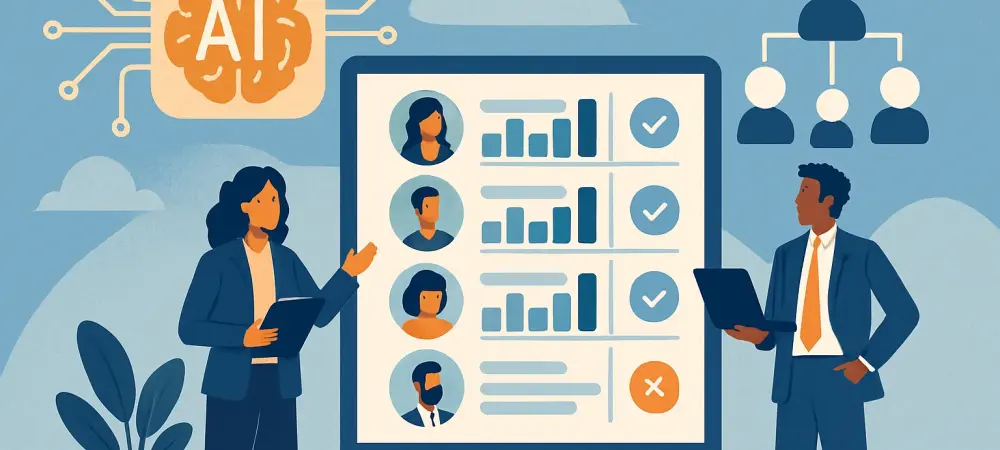
Absolutely. One striking example I’ve encountered is in recruitment processes. We worked with a company where initial candidate screening was fully manual—HR teams spent hours sifting through resumes. After integrating AI tools, the system could analyze applications for key qualifications in seconds, flagging top candidates for human review. What surprised me was how this didn’t just save time; it also improved diversity in hiring by reducing unconscious bias in the initial sift. The human recruiters could then focus on meaningful interviews, building connections rather than drowning in paperwork.
How do you strike a balance between leveraging AI’s benefits and avoiding over-reliance on it for workforce decisions?
It’s all about using AI as a partner, not a replacement. I always advocate for a hybrid approach where AI handles data crunching or repetitive tasks, but humans drive the final decisions, especially on sensitive matters like hiring or layoffs. I’ve seen companies rush to adopt AI without clear guidelines, leading to missteps like over-automation of customer-facing roles, which damaged client trust. My strategy is to set clear boundaries—AI informs, but empathy, ethics, and context remain human domains. Regular check-ins and employee feedback also ensure the tech isn’t overshadowing the people it’s meant to help.
There’s a notion that AI can’t fully replace human roles, even at junior levels. What’s your perspective on this?
I agree that AI can’t completely replace human roles, especially when it comes to nuanced judgment or emotional intelligence. Even in junior positions, there’s a learning curve and a human touch that technology can’t replicate—think of a junior analyst building relationships with a team or learning to navigate workplace dynamics. AI can handle rote tasks within those roles, like data entry, but the growth and creativity humans bring are irreplaceable. I believe there will always be a need for that human element, no matter how advanced AI becomes.
How do you see the reduction of junior roles due to AI impacting the pipeline for future leaders?
This is a huge concern. Junior roles are often the training ground for future leaders—where people learn the ropes, build institutional knowledge, and develop soft skills. When companies cut these positions in favor of AI tools for quick results, they risk creating a leadership gap down the line. I’ve seen organizations struggle with this already, lacking mid-level talent because they didn’t invest in entry-level growth years ago. My approach is to redesign junior roles rather than eliminate them, ensuring they focus on skills AI can’t touch, like critical thinking, while still integrating tech to boost efficiency.
What role does data-driven scenario planning play in preparing for an uncertain, AI-influenced future?
Data-driven scenario planning is essential for staying ahead in such a dynamic environment. It involves using analytics to model different future states—like shifts in market demand or tech advancements—and mapping out workforce needs for each. In my work, I’ve used predictive tools to anticipate skill gaps and advise on upskilling programs before shortages hit. This proactive stance helps organizations pivot quickly, whether it’s hiring for new competencies or redeploying talent. Without data, you’re guessing; with it, you’re strategizing.
What is your forecast for the future of workforce planning as AI continues to evolve?
I believe workforce planning will become even more integrated with AI, but the human element will remain central. We’ll see a stronger emphasis on hybrid models where AI optimizes operations, and humans drive innovation and culture. The challenge will be ensuring equity—making sure AI doesn’t widen skill gaps or exclude certain groups. My forecast is that successful companies will be those that invest heavily in continuous learning and adaptability, creating workforces that evolve alongside tech. It’s not about choosing between people and AI; it’s about building a synergy that amplifies both.