

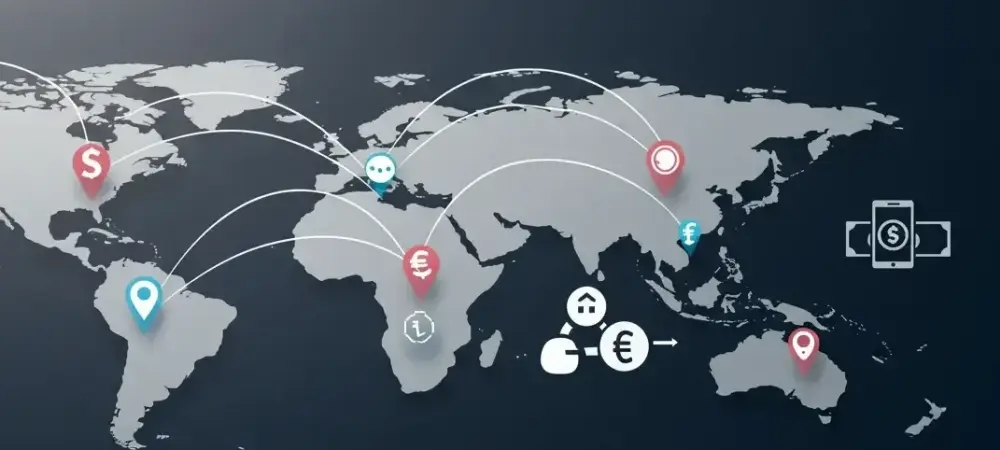
Imagine a world where a business in Sydney can seamlessly pay a supplier in Singapore with the same ease as a local transaction, bypassing high fees, long delays, and complex compliance hurdles, as this scenario is fast becoming a reality with the explosive growth of cross-border payments. Global transaction volumes are projected to exceed $250 trillion by 2027, according to a recent McKinsey report. Yet, challenges such as currency fluctuations, regulatory barriers, and inefficiencies persist, creating friction for enterprises operating in a globalized economy. Innovative solutions driven by technology are stepping in to bridge these gaps, transforming how businesses navigate international transactions. This analysis explores the evolving landscape of cross-border payments, highlights real-world examples of innovation, delves into expert insights, examines future prospects, and distills key takeaways for staying ahead in this dynamic sector.
The Evolving Landscape of Cross-Border Payments
Market Growth and Adoption Trends
The surge in cross-border transactions reflects the deepening interconnectivity of global markets. Reports from SWIFT indicate that the volume of international payments has grown at a compound annual rate of over 5% since 2015, driven by expanding e-commerce and multinational corporate activities. This growth underscores a pressing need for systems that can handle large-scale transactions with speed and reliability, as businesses seek to minimize delays that can disrupt supply chains or cash flow.
Parallel to this trend, the market for cross-border payment solutions is expanding rapidly. Industry forecasts from McKinsey suggest that the sector’s value could reach $50 billion by 2027, fueled by demand from enterprises for streamlined processes. Small and medium-sized businesses, alongside large corporations, are increasingly adopting digital payment platforms to compete in international markets, highlighting a shift toward efficiency over traditional banking methods.
This momentum is further supported by technological advancements that reduce costs and enhance transparency. Payment providers are leveraging digital tools to offer real-time tracking and lower transaction fees, addressing pain points that have long plagued global trade. As adoption rates climb, the focus on scalability and accessibility becomes paramount for solution providers aiming to capture a share of this burgeoning market.
Real-World Impact and Implementation
A standout example of innovation in this space is Send Payments, a Sydney-based provider specializing in enterprise cross-border solutions. The company recently secured $5 million AUD in funding from investors including iPartners, Regal Funds Management, and Kelly+Partners Investment Office. This capital injection is set to accelerate the development of its platform, which focuses on simplifying the often cumbersome process of international payments for large organizations.
Send Payments distinguishes itself by integrating seamless payment capabilities into the existing systems of industries such as legal, banking, and FinTech. Its technology enables businesses to execute cross-border transactions without the need for extensive overhauls, reducing both risk and operational complexity. This approach addresses a critical need for enterprises that require reliable tools to manage payments across diverse regulatory environments.
The impact of such solutions is evident in how they empower companies to focus on core operations rather than navigating financial logistics. By targeting sectors with high international exposure, Send Payments is carving out a niche as a trusted partner for enterprises looking to expand globally. This real-world application of technology illustrates the tangible benefits of innovation in overcoming longstanding barriers to cross-border trade.
Insights from Industry Leaders
The complexities of international payments require a blend of technological prowess and strategic vision, a perspective echoed by Matt Barr, the newly appointed CEO of Send Payments. With over 25 years of experience in financial services from roles at Australian Payments Plus, Mastercard, and others, Barr identifies the primary challenge as embedding secure payment capabilities into enterprise operations. He stresses that scalability remains a key hurdle, as businesses demand solutions that can grow alongside their global ambitions.
Barr’s vision for Send Payments centers on leveraging cutting-edge technology while prioritizing exceptional customer service. He advocates for a robust compliance framework to build trust, noting that regulatory adherence is non-negotiable in an industry fraught with risk. Under his leadership, the company aims to balance innovation with reliability, ensuring that clients can depend on the platform for both efficiency and security in their transactions.
Beyond individual company strategies, broader industry voices highlight the urgency of user-friendly solutions to tackle the intricacies of global payments. Experts argue that security must evolve alongside convenience, as cyber threats loom large over digital transactions. This consensus points to a collective push for platforms that not only simplify processes but also safeguard sensitive financial data, shaping the direction of future developments in the sector.
Future Prospects of Cross-Border Payment Technologies
Looking ahead, the integration of emerging technologies like blockchain and artificial intelligence holds immense potential for revolutionizing cross-border payments. Blockchain offers the promise of decentralized, transparent transactions that could drastically cut processing times and costs, while AI can enhance fraud detection and optimize currency exchange rates. These advancements could redefine speed and security standards, making international payments more accessible to businesses of all sizes.
However, significant challenges remain on the horizon, particularly in the form of regulatory obstacles and cybersecurity risks. Varying compliance requirements across jurisdictions often slow the adoption of new technologies, as companies must navigate a patchwork of legal frameworks. Additionally, the increasing sophistication of cyber-attacks poses a constant threat, necessitating continuous investment in protective measures to maintain trust in digital payment systems.
Companies like Send Payments are well-positioned to influence this future by expanding their market reach and tailoring solutions for diverse industries. Their focus on innovation, coupled with strategic partnerships, could pave the way for broader acceptance of advanced payment tools. As the sector evolves, the ability to adapt to both technological and regulatory shifts will determine which players emerge as leaders in transforming global financial interactions.
Key Takeaways and Call to Action
Reflecting on the journey of cross-border payment innovations, it becomes clear that technological advancements play a pivotal role in simplifying complex international transactions, with Send Payments standing out as a beacon of progress. The drive toward efficiency and security has reshaped how enterprises operate across borders, enabling them to thrive in an interconnected economy. This trend has proven essential for businesses aiming to scale globally without being hindered by traditional financial barriers. As the landscape continues to shift, staying informed about emerging FinTech solutions emerges as a critical step for organizations seeking a competitive edge. Exploring how such innovations can streamline operations or reduce costs offers a pathway to greater resilience in global markets. The momentum built by pioneers in this space highlights an opportunity for businesses to adapt and integrate these tools into their strategies, ensuring they remain agile in an ever-evolving economic environment.