

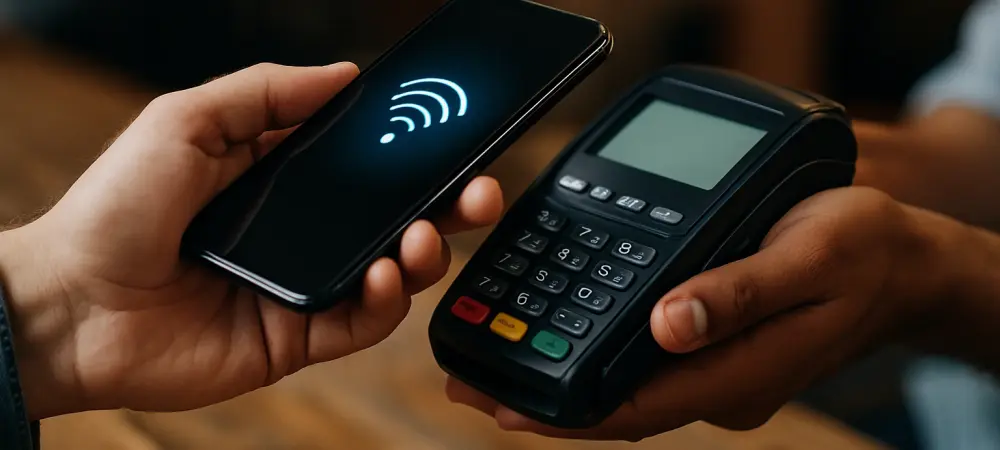
Setting the Stage for Instant Transactions
Imagine a world where a refund for a canceled service hits your account before you even finish the cancellation call, or an insurance settlement is processed in the time it takes to send a text. This is no longer a distant dream but a reality driven by the rapid evolution of fintech. Real-time payment solutions have become a cornerstone of modern financial interactions, addressing the urgent demand for speed and efficiency in an increasingly digital economy. The partnership between Authvia, a pioneer in conversational commerce, and Visa Direct, a global leader in money movement, stands at the forefront of this transformation. Their integrated technology promises to redefine how businesses and consumers handle payouts, making transactions as seamless as a text message.
The stakes are high in a landscape where delays in payments can erode trust and hinder operations. Businesses across sectors like healthcare, insurance, and gig economy platforms are under pressure to deliver instant financial solutions. This collaboration introduces a groundbreaking approach by merging Authvia’s text-based payment system with Visa Direct’s robust real-time processing network, aiming to eliminate outdated methods like checks. What follows is a deep dive into this innovative integration, exploring its features, performance, and potential to reshape digital commerce.
Unpacking the Technology Behind the Partnership
Authvia’s TXT2PAY® Platform
At the heart of this collaboration lies Authvia’s patented TXT2PAY® technology, a system designed to facilitate payments directly within SMS conversations. This platform allows users to send or receive funds without navigating external apps or portals, streamlining the process into a familiar messaging interface. Its simplicity is a game-changer, enabling both consumers and businesses to engage in conversational commerce with minimal friction, whether it’s settling a bill or receiving a refund.
The significance of TXT2PAY® extends beyond ease of use; it taps into the ubiquity of text messaging as a communication tool. By embedding payment capabilities into SMS threads, the technology ensures accessibility for a wide range of users, regardless of their tech-savviness. This approach not only enhances the user experience but also positions businesses to meet customers where they already are—on their phones, in real-time interactions.
Visa Direct’s Real-Time Processing Power
Complementing Authvia’s innovation is Visa Direct, a global payment network operating across 180 markets and known for its ability to process transactions instantly to eligible Visa cards. This platform specializes in secure, rapid money movement, making it an ideal backbone for applications requiring immediate disbursements. From refunds to incentive payments, Visa Direct ensures funds are transferred with efficiency and reliability on a massive scale.
When integrated with TXT2PAY®, Visa Direct amplifies the potential for real-time payouts by providing a trusted and expansive infrastructure. The synergy allows businesses to issue payments like reimbursements or settlements directly within a messaging flow, complete with identity verification, without users ever leaving the conversation. This seamless fusion of technologies creates a powerful tool for modern financial operations, prioritizing both speed and security.
Performance Across Industries
Versatility in Application
The combined strength of Authvia and Visa Direct shines through in its adaptability across diverse sectors. In healthcare, for instance, the technology facilitates swift co-pay reimbursements, ensuring patients receive funds without delay. Similarly, in the insurance industry, settlements can be processed almost instantly, reducing wait times that often frustrate claimants and improving overall satisfaction.
Beyond these fields, the automotive service sector benefits from rapid deposit returns, while gig economy platforms leverage the solution for prompt payments to field technicians or freelancers. Each application addresses specific pain points, such as operational bottlenecks or customer dissatisfaction, by delivering funds exactly when they’re needed. This versatility underscores the technology’s potential to transform financial workflows in virtually any industry.
Enhancing Efficiency and Trust
A key performance metric of this integration is its impact on operational efficiency. By replacing slow, manual processes with automated, text-based transactions, businesses can significantly cut down on administrative overhead. Customers, in turn, experience a level of immediacy that builds trust and loyalty, as seen in scenarios like quick refund processing during service disputes.
Moreover, the embedded security features, including real-time identity checks within the SMS thread, mitigate risks associated with digital payments. The ability to confirm details without redirecting users to external systems further enhances the sense of reliability. This balance of efficiency and trust positions the technology as a critical asset for companies aiming to stay competitive in a fast-paced market.
Challenges in Implementation
Technical and Regulatory Hurdles
Despite its promise, the adoption of this real-time payment solution is not without obstacles. Technical integration poses a significant challenge, as businesses must align their existing systems with the new platform, often requiring substantial resources and expertise. Additionally, navigating regulatory landscapes across different regions adds complexity, with compliance demands varying widely and necessitating careful oversight.
Market readiness also plays a role, as not all sectors or demographics are prepared to embrace text-based payment systems. Smaller businesses, for instance, may lack the infrastructure to implement such solutions effectively, while certain consumer groups might resist due to unfamiliarity. Addressing these barriers requires strategic planning and tailored support to ensure a smooth transition.
Security Concerns and Consumer Trust
Another hurdle lies in overcoming consumer hesitancy around security in text-based transactions. While SMS is widely used, it is not inherently perceived as a secure medium for financial dealings, raising concerns about data protection and fraud. Robust identity verification processes are essential to counter these fears, yet they must be balanced with user-friendliness to avoid deterring adoption.
Efforts by Authvia and Visa Direct to tackle these issues include deploying advanced encryption and authentication measures within the platform. Collaborative initiatives with industry stakeholders also aim to establish best practices and build confidence among users. Overcoming these trust barriers remains a critical step in achieving widespread acceptance of the technology.
Looking Ahead: Potential and Limitations
Future Growth and Innovation
The trajectory of real-time payment solutions points toward broader integration with emerging communication channels and payment networks. As digital expectations continue to rise over the next few years, from now to 2027, this technology could expand into additional industries, adapting to new use cases and user needs. Innovations like embedding payment capabilities into other messaging apps or wearable devices may further enhance accessibility.
Global expansion is another area of potential, with the partnership poised to tap into underserved markets where instant transactions can drive economic inclusion. However, scaling will depend on addressing regional disparities in tech infrastructure and regulatory frameworks. The long-term vision appears focused on creating a universally accessible financial ecosystem powered by real-time solutions.
Current Limitations to Monitor
While the outlook is promising, certain limitations temper expectations. The reliance on SMS, for instance, may exclude users in areas with poor network coverage or those without compatible devices. Additionally, the cost of implementation could be prohibitive for smaller enterprises, limiting the technology’s reach in its early stages of adoption.
Continuous refinement of user interfaces and security protocols will be necessary to maintain momentum. As competitors develop alternative real-time payment systems, staying ahead will require ongoing innovation and responsiveness to market feedback. These challenges highlight the need for a measured approach to expansion and improvement.
Final Thoughts and Next Steps
Reflecting on this review, the partnership between Authvia and Visa Direct proves to be a significant stride in modernizing financial transactions. Its ability to deliver instant payouts through a familiar messaging interface demonstrates impressive performance across multiple sectors, from healthcare to gig economy platforms. The technology’s emphasis on speed, security, and convenience sets a high standard for what digital payments can achieve.
Moving forward, businesses interested in adopting this solution should prioritize comprehensive training and support to ease integration challenges. Partnering with industry bodies to address regulatory concerns and investing in consumer education around security features could further boost acceptance. For Authvia and Visa Direct, the next step involves exploring integrations with additional platforms and markets to broaden impact, ensuring that real-time payments become not just an option, but the norm in financial interactions.