

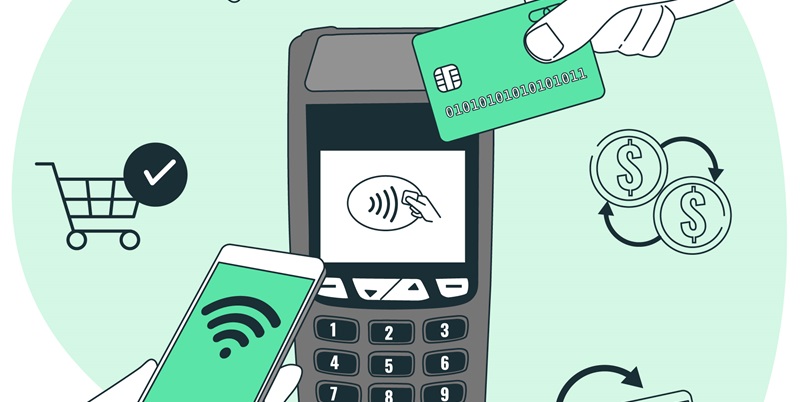
In an ever-evolving world of technology and innovation, the payments industry continues to undergo significant transformations. Two key categories driving these advancements are operational improvement and consumer-centric rewards and loyalty personalization. By focusing on enhancing operational efficiency and providing seamless user experiences, payment providers are revolutionizing the way transactions are conducted and benefits are delivered to customers.
Enhancing Efficiency through Connecting Payment Data with Item-Level Information
One of the notable breakthroughs in the payments landscape is the ability to connect payment data with item-level information. This integration allows for quick and efficient resolution of discrepancies, making processes such as chargebacks, friendly fraud, and reconciliations more streamlined. By linking payment data with specific items purchased, consumers can easily resolve any issues that may arise, saving time and reducing frustration. The result is a more efficient and seamless payment experience for both consumers and merchants.
Resolving discrepancies and improving processes
By connecting payment data with item-level information, not only can discrepancies be resolved swiftly, but it also enables the prevention of fraudulent activities. With detailed transaction information readily available, businesses can better protect themselves against friendly fraud by providing solid evidence to refute illegitimate claims. This not only saves businesses money, but also ensures fairness in the payment ecosystem.
Targeting consumers effectively through personalized rewards
The integration of payment data with item-level information opens up exciting possibilities for delivering more relevant rewards and offers to consumers. By leveraging past purchase behavior and projecting future preferences, businesses can tailor incentives to individual customers. This level of personalization enhances customer satisfaction and loyalty, ultimately driving business growth and success. Furthermore, by providing consumers with incentives that align with their interests, businesses can forge stronger connections and increase customer engagement.
The Importance of Information Sharing for Personalized Experiences
To achieve the panacea of perfectly customized and personalized payment experiences, the sharing of information is paramount. By securely exchanging data between payment providers, merchants, and consumers, a holistic view of customer preferences and behaviors can be established. This comprehensive understanding enables the creation of tailored offerings, resulting in enhanced user experiences.
Prioritizing Trust and Privacy in Payment Technology
As the payments industry progresses, maintaining consumer privacy becomes paramount. Building and architecting technology with a trust-first point of view is essential to protect sensitive information. Banyan, a leading payment technology firm, adopts a data minimization approach by leveraging privacy-preserving technology. Their systems only use de-identified data relevant to the purpose at hand, ensuring the privacy of personally identifiable information (PII) is upheld. This commitment to privacy instills confidence in consumers and fosters long-term trust between businesses and their customers.
The future of payments lies in personalization
Personalization remains the cornerstone of the future of payments and FinTech across various commercial transactions. As technology advances, the ability to offer truly customized payment experiences becomes more feasible. By leveraging item-level data, businesses can gain insights into individual preferences and deliver highly tailored payment solutions.
The Role of Infrastructure Players in Driving Personalization and Innovation
Infrastructure players, who act as the connective tissue within the payments ecosystem, hold a unique position to drive personalization and innovation. With direct relationships with both merchants and bank card issuers, they possess the knowledge and influence to transform the payment landscape. Their ability to collaborate and develop solutions that benefit all stakeholders contributes to the creation of seamless, user-centric payment experiences.
Feasibility of Offering Customized Payment Experiences with Item-Level Data
The accessibility of item-level data opens up a world of possibilities for offering customized payment experiences. From personalized loyalty programs to targeted promotions, businesses can leverage the granular transactional information to create unique value propositions. By tailoring offerings specific to individual customers, businesses can deepen customer relationships, increase satisfaction, and drive long-term loyalty.
As the payments industry continues to evolve, operational improvement and consumer-centric rewards take center stage. Through the integration of payment data with item-level information, businesses can enhance efficiency, resolve discrepancies, and offer more relevant rewards and offers. Trust and privacy must remain a top priority, with technology built upon a foundation of data minimization and privacy-preserving principles. By embracing personalization and collaborating with infrastructure players, the future of payments promises seamless, rewarding, and highly user-centric experiences for all.