

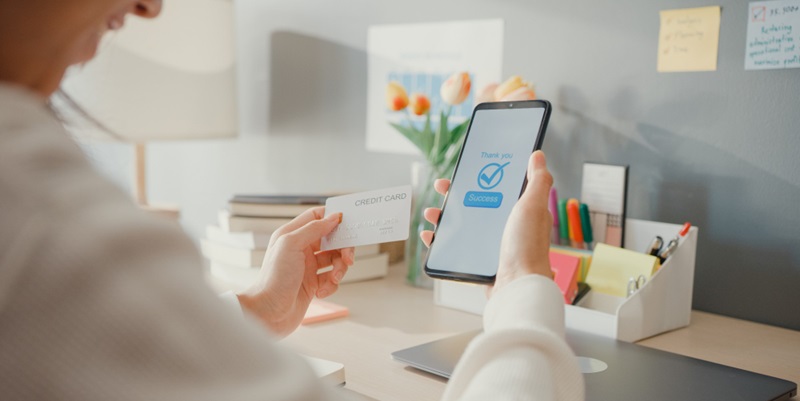
Traditional payment methods, such as cash and checks, are rapidly being phased out in favor of a slew of novel payment options. This article explores the reasons behind this shift and delves into the details of various emerging payment methods that have gained significant popularity in recent years.
Contactless Payments: Redefining Convenience and Safety
Contactless payments have witnessed exponential growth in popularity, with consumers eagerly embracing the convenience and safety they offer. The COVID-19 pandemic has significantly contributed to this surge, as people have become more cautious about physical contact. Utilizing near-field communication (NFC) technology, contactless payments allow users to swiftly and securely make transactions by simply tapping their cards or smartphones on a payment terminal.
Mobile Wallets: Revolutionizing the Way We Pay
Mobile wallets, such as Apple Pay, Google Pay, and Samsung Pay, have revolutionized the way consumers make payments. These digital wallets store users’ debit and credit card information securely, allowing them to make quick and seamless transactions using their smartphones. The popularity of mobile wallets has skyrocketed due to their convenience and integration with online and in-store transactions.
P2P payment apps: Streamlining money transfers
P2P payment apps like Venmo, Cash App, and Zelle have transformed how consumers send money to friends and family. By eliminating the need for physical cash or checks, these apps offer a hassle-free way to split bills, repay loans, and make personal payments instantly. With features like split bills, payment requests, and social feeds, these apps have become an integral part of the digital payment ecosystem.
Digital Currencies: Navigating the Cryptocurrency Boom
The growth of digital currencies, particularly cryptocurrencies such as Bitcoin and Ethereum, has ushered in new payment options. These decentralized, blockchain-based currencies offer secure and transparent transactions, enabling individuals to make peer-to-peer payments without the involvement of traditional financial institutions. While their adoption is still evolving, cryptocurrencies are becoming increasingly integrated into mainstream payment systems.
Biometric Authentication Systems: Ensuring Secure Transactions
Biometric authentication systems, including fingerprint and facial recognition, have become essential for payment security. These technologies add an extra layer of protection, preventing unauthorized transactions and providing a seamless and convenient user experience. Financial institutions and payment providers are increasingly implementing biometric authentication to enhance security and combat fraud.
In-App Payments: Transforming E-commerce and App-Based Services
In-app payments have gained widespread popularity, particularly in the e-commerce and app-based service industries. Users can safely make purchases or subscribe to services without leaving the application, enhancing convenience and streamlining the customer experience. From shopping apps to ride-sharing platforms, integrating seamless payment options has become crucial for businesses to stay competitive.
Wearable Technology: Making Payments Effortless
Wearable technology, including smartwatches and fitness trackers, has made significant inroads into the payments industry. These devices allow users to make contactless payments by simply tapping their wrists, eliminating the need to carry physical cards or smartphones. The convenience and accessibility offered by wearable devices has made them increasingly popular among tech-savvy individuals.
QR Code Payments: Simplifying Transactions Worldwide
QR code payments have become commonplace in many regions of the world. By scanning a QR code with their smartphones, users can instantly transfer money or make payments without the hassle of sharing bank details. This simplicity and ubiquity has made QR code payments an efficient and accessible solution for businesses and consumers alike.
Voice-Activated Payments: The Future of Convenient Transactions
Advancements in technology now enable devices such as smart speakers and virtual assistants to accept payments via voice commands. Users can simply authenticate themselves and make purchases or transfers by uttering a few words. This voice-activated payment option is poised to revolutionize the way we conduct transactions, injecting seamless convenience into our daily lives.
The payments landscape is rapidly evolving, and consumers are embracing innovative technologies that provide them with convenience, security, and efficiency. Traditional payment methods are being swiftly replaced by contactless payments, mobile wallets, P2P payment apps, digital currencies, biometric authentication systems, in-app payments, wearable technology, QR code payments, and voice-activated payments. Keeping pace with these advancements is crucial for businesses to meet the ever-changing demands of consumers in the digital era. As we forge ahead, the future of payment methods looks promising, offering even more seamless and secure options for consumers worldwide.