

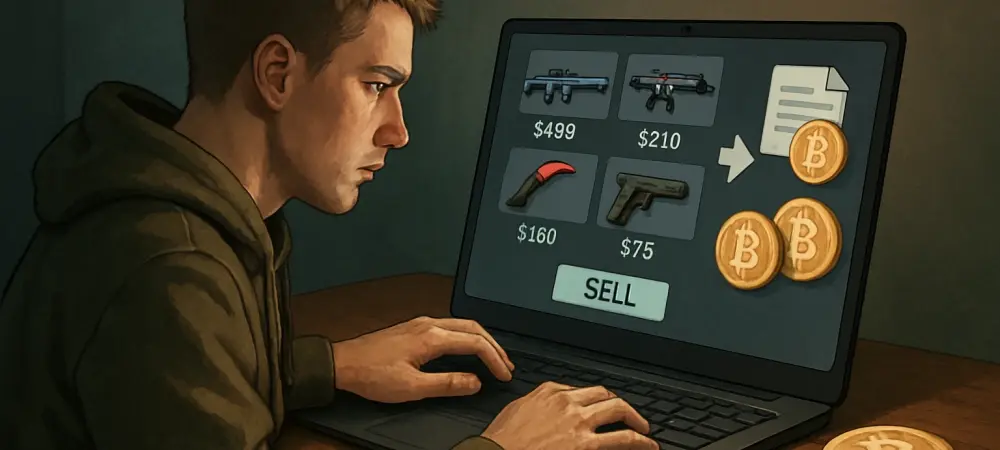
What if virtual items from a game could become a gateway to real-world financial freedom? In the thriving world of Counter-Strike 2 (CS2), skins—those coveted digital cosmetics—are no longer just trophies of gameplay. They have morphed into a currency of their own, with traders worldwide cashing them in for instant cryptocurrency withdrawals. This phenomenon isn’t just a niche hobby; it’s a booming market where gamers are finding unexpected ways to profit. The allure of turning in-game achievements into tangible value through crypto has captured the attention of thousands, blending gaming with cutting-edge financial trends.
The significance of this shift cannot be overstated. As traditional payment methods lag with delays and fees, the rise of crypto withdrawals offers a solution that’s fast, borderless, and often more private. This is not merely a trend but a response to a growing demand among gamers for efficiency and autonomy in their transactions. With platforms facilitating instant payouts in Bitcoin, Ethereum, or stablecoins like USDT, the intersection of gaming and cryptocurrency is reshaping how value is perceived and exchanged in digital spaces. This narrative explores why CS2 skins have become digital gold, how crypto fits into this equation, and what it means for traders navigating this exciting landscape.
Why CS2 Skins Are the New Digital Treasure
The journey of CS2 skins from mere aesthetics to valuable assets is a striking evolution. Initially designed as fun customizations for weapons and characters, these digital items gained traction as tradeable commodities on platforms like Steam’s marketplace. Over time, rare skins began fetching jaw-dropping prices—some even selling for thousands of dollars—due to their scarcity and community hype. This unexpected financial potential has transformed casual players into savvy traders, capitalizing on market fluctuations and limited-edition drops to build impressive portfolios.
Beyond individual gains, the trend has swept through the gaming community at large. Forums and social media buzz with discussions about skin values, with platforms like Reddit hosting threads where gamers share tips on spotting undervalued items. This collective enthusiasm has fueled a culture of speculation and investment, mirroring real-world stock markets. As more players recognize the earning potential, the skin trading scene continues to expand, drawing in a diverse crowd eager to test their instincts in this virtual economy.
The question lingers: what could those skins in a player’s inventory be worth today? For many, the realization that dormant digital assets hold significant value sparks curiosity. Coupled with the promise of quick crypto payouts, the motivation to dive into trading becomes irresistible. This fusion of gaming passion and financial opportunity creates a compelling case for exploring what lies beneath the surface of a seemingly playful pastime.
Crypto Withdrawals: The Game-Changer in Skin Trading
The pivot to cryptocurrency as a withdrawal method marks a pivotal moment in CS2 skin trading. Unlike traditional systems like PayPal or bank transfers, which often involve days of waiting and hefty fees, crypto transactions can be completed in minutes. This speed, paired with accessibility across global markets, addresses the frustrations of traders who need funds promptly. The ability to bypass regional payment barriers further cements crypto as a preferred choice for a generation seeking seamless financial tools.
Moreover, the community’s clamor for faster transactions has driven this shift. Many traders have voiced irritation over platforms that impose lengthy manual reviews or unexplained holds on funds, especially during peak trading periods. The demand for efficiency has pushed marketplaces to adopt automated systems that prioritize speed without sacrificing reliability. As a result, the industry is witnessing a surge in solutions tailored to meet these expectations, ensuring that payouts are not just promises but realities.
This transition also reflects a broader push for global payment alternatives. With cryptocurrency, traders in regions with limited access to conventional banking can participate equally, leveling the playing field. The borderless nature of digital currencies like Bitcoin offers a universality that traditional methods struggle to match. This adaptability is not just a convenience; it’s a revolution in how gamers interact with and profit from virtual ecosystems.
Unlocking the Process of Selling Skins for Crypto
Understanding how to convert CS2 skins into cryptocurrency reveals a streamlined yet intricate process. It typically begins with logging into a trading platform via Steam’s secure authentication, granting access to a user’s inventory. From there, selecting skins for sale displays instant buy prices, often accompanied by historical data for transparency. Traders then pick a cryptocurrency—be it Bitcoin for its prestige, Ethereum for its versatility, or USDT for stability—and provide a wallet address for the payout, finalized through a quick Steam trade confirmation.
The advantages of this method over traditional withdrawals are stark. Crypto transactions often boast lower fees, especially with options like USDT on the TRC-20 network, known for minimal costs. Privacy is another draw, as users aren’t required to disclose sensitive banking information. Feedback from platforms like Trustpilot highlights satisfaction with near-instantaneous payouts, with many users noting that funds arrive within minutes—an edge that keeps traders coming back for more.
Diving deeper, the choice of cryptocurrency can impact the experience. Bitcoin remains a heavyweight, valued for its recognition, though network fees can sting. Ethereum offers smart contract capabilities but faces similar cost concerns. USDT, particularly on TRC-20, emerges as a favorite for its stable value and low transaction costs, as echoed in community discussions. These nuances allow traders to tailor their withdrawals to specific needs, balancing speed, cost, and reliability in a dynamic market.
Hearing from Traders: Community Voices and Insights
The CS2 trading community offers a wealth of perspectives on this digital gold rush. Across platforms like Reddit, users frequently discuss the predictability of crypto withdrawals as a key factor in choosing marketplaces. Trust is paramount, with many emphasizing the relief of dealing with automated systems over manual, error-prone processes. These candid conversations reveal a shared desire for platforms that deliver on promises without unexpected delays or hidden costs.
Personal stories add color to these insights. One trader shared a tale of turning a rare knife skin into enough USDT to fund a new gaming rig, describing the transaction as smooth and exhilarating. However, not all experiences are glowing—cautionary anecdotes surface about platforms with poor communication or sudden fee changes, reminding others to tread carefully. These firsthand accounts, often found in forum threads, paint a vivid picture of both the potential and pitfalls in this space.
Expert opinions further enrich the dialogue. Analysts within the gaming and crypto sectors point to data showing a steady rise in skin-to-crypto transactions, with some platforms reporting a 60% increase in such trades over the past year alone. These figures underscore the growing trust in digital currencies as viable payout options. Together, community feedback and hard numbers weave a narrative of cautious optimism, guiding newcomers on what to expect in this evolving landscape.
Navigating the Safe Path to Crypto Withdrawals
For those ready to dive into selling CS2 skins for crypto, a clear roadmap is essential. Start by accessing a reputable platform through Steam’s official login, ensuring inventory visibility. Carefully select the skins to trade, noting the quoted prices, then choose a suitable cryptocurrency and double-check the wallet address to avoid errors. Completing the Steam trade offer with the platform’s bot seals the deal, with funds typically landing in the designated wallet shortly after verification—a process often praised for its simplicity when executed well.
Choosing a trustworthy platform demands diligence. Scour community hubs like Reddit for user experiences, prioritizing marketplaces with consistent positive feedback. Transparency in pricing and fees is non-negotiable; hidden costs can erode profits unexpectedly. Security must also be top-tier—ensure the platform integrates Steam’s API properly and employs robust protocols to shield against phishing or data breaches. These steps form a protective barrier against common risks.
Avoiding missteps is equally critical. Steer clear of platforms reliant on slow manual approvals, as they can delay payouts unnecessarily. Be vigilant against phishing attempts, often disguised as urgent trade offers or fake login prompts. By staying informed and cautious, traders can sidestep these traps, ensuring a seamless journey from skin to crypto. This careful approach transforms what could be a daunting process into a rewarding venture, empowering gamers to capitalize on their digital assets confidently.
Reflecting on a Digital Revolution
Looking back, the transformation of CS2 skins into a conduit for cryptocurrency marked a bold chapter in gaming history. Traders navigated a landscape where virtual cosmetics became tangible wealth, driven by platforms that adapted to their need for speed and security. Each transaction told a story of innovation, from the thrill of instant payouts to the lessons learned through occasional setbacks. The community’s voices echoed through forums, shaping a marketplace that valued transparency and efficiency above all.
As this era unfolded, the fusion of gaming and crypto carved out new opportunities for players worldwide. The path forward was clear: staying informed and selective about trading platforms remained paramount. For those who ventured into this space, the rewards often outweighed the risks, provided caution guided their steps. The legacy of this digital shift lingered as a testament to how ingenuity could turn pixels into profit, inspiring future generations of gamers to explore the untapped potential within their virtual inventories.