

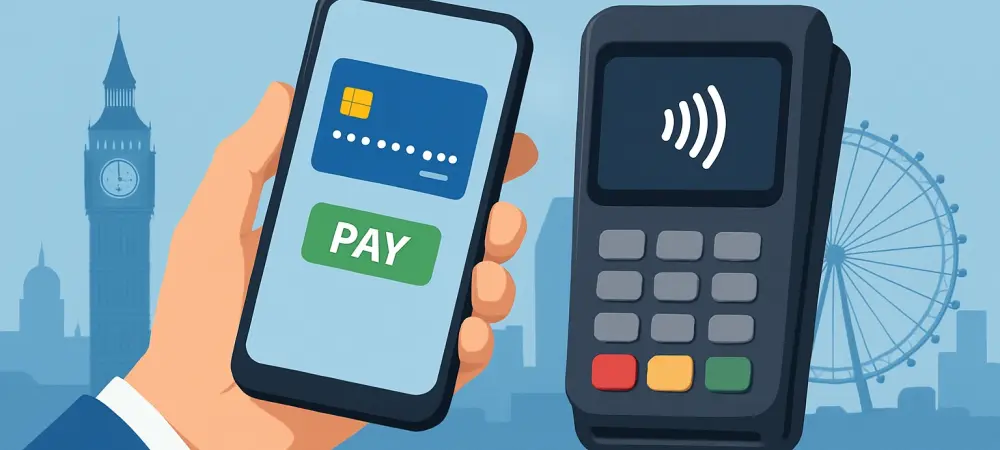
As we dive into the dynamic world of digital payments, I’m thrilled to sit down with a true pioneer in financial technology. With a deep background in fintech innovation and a keen understanding of London’s evolving payment landscape, our guest today has been instrumental in shaping how money moves in the capital. We’ll explore the rapid rise of instant transactions, the transformative power of fintech, the push for digital inclusion, and the challenges of a cashless future, all while uncovering what’s next for this vibrant city’s financial ecosystem.
How has London managed to stay a leader in financial innovation through the years?
London’s position as a financial powerhouse goes back centuries, but its modern edge comes from a willingness to embrace change. Take contactless payments on the Tube, for instance—when they rolled out in 2014, it wasn’t just a convenience; it revolutionized how people thought about everyday transactions. The city’s also a magnet for fintech startups because of its access to talent, capital, and progressive regulations. Unlike other hubs, London combines a historic banking infrastructure with a startup-friendly environment, making it a perfect testing ground for new ideas.
What’s driving the shift toward instant transactions as the new norm in payments?
It’s all about meeting consumer expectations. People today don’t just want speed; they demand it. Waiting days for a bank transfer feels archaic when you can send money across the world in seconds via an app. You see this in small, everyday moments—tapping your card for a coffee or splitting a bill instantly with friends. Industries like online gaming are also jumping on board, offering near-instant withdrawals to keep users engaged. It’s a reflection of a broader mindset: time is precious, and payments shouldn’t slow you down.
Why is convenience such a deciding factor in how Londoners pick their payment methods?
Convenience isn’t just a perk; it’s become the baseline. Londoners lead fast-paced lives, so anything that saves time or reduces hassle wins. Whether it’s tapping a card instead of fumbling for cash or using an app to pay rent without logging into a clunky bank portal, people gravitate toward what’s easiest. You can see this in how Transport for London’s contactless system reshaped commuting—now that level of simplicity is expected everywhere, from markets to high-end restaurants.
In what ways is the fintech explosion in London reshaping personal finance management?
Fintech is putting power back into users’ hands. Open banking has been a game-changer, letting people securely share their data to access tools like budgeting apps or digital wallets that simplify their finances. Startups have built platforms that let you track spending, send money globally, or even invest, all from one place. These innovations sync perfectly with London’s high-energy lifestyle—people want control over their money without the friction of traditional banking.
What are some of the hurdles London faces as it moves closer to a cashless economy?
Going cashless sounds great until you look at who might get left behind. The elderly, for one, often struggle with digital tools, and not everyone has a smartphone or reliable internet—think of lower-income households or rural areas around the city. There’s also the issue of trust; some folks worry about security or simply prefer the tangibility of cash. Without careful planning, this shift could widen inequality, which is why inclusion efforts are so critical.
How are initiatives for digital inclusion and financial literacy making a difference in London?
There’s a real push to ensure no one’s excluded from the digital payment wave. Local councils and banks are running programs to teach digital money skills—think workshops on using mobile payments or spotting online scams. Community centers are stepping up too, offering hands-on help with online banking. These efforts are about building confidence as much as skills, so even those who aren’t tech-savvy can benefit from the convenience and security of digital tools.
What’s your forecast for the future of digital payments in London over the next decade?
I think we’re heading toward a world where payments are almost invisible. Technology will keep evolving to make transactions even faster and more seamless—think biometric payments or integrations with wearable tech. At the same time, I expect a stronger focus on inclusion, with more tailored solutions for underserved groups. London will likely remain a global leader, setting trends that other cities follow, as long as it balances innovation with accessibility.