

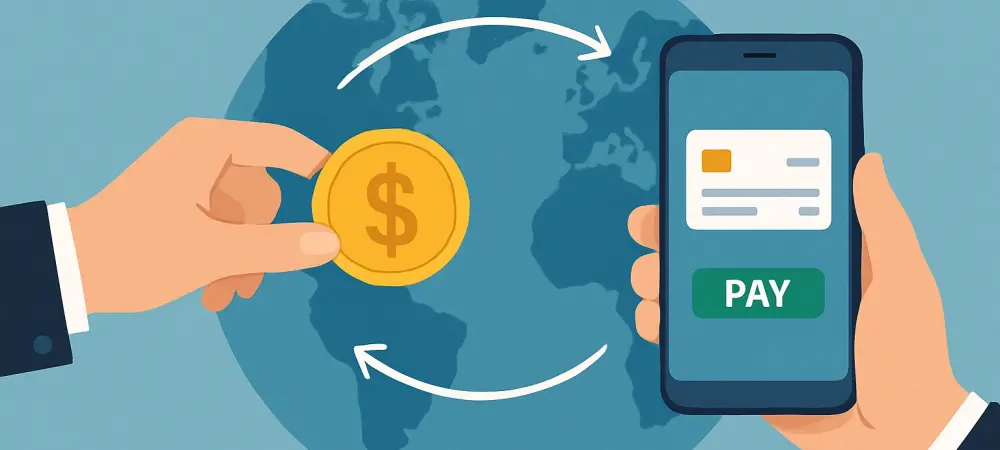
Imagine a world where booking an international flight feels as effortless as buying a coffee down the street, with payments processed instantly across borders, no matter the currency or platform, transforming the travel experience. This vision is rapidly becoming reality as cross-border payment innovations reshape the global travel landscape. In an era of booming international tourism, the ability to execute seamless transactions is no longer a luxury but a necessity for airlines, travelers, and merchants alike. The significance of these advancements cannot be overstated, especially as global connectivity drives economic growth and cultural exchange. This analysis delves into the strategic partnership between Worldline and YeePay, explores key trends shaping cross-border payments, and examines the broader implications for the aviation and travel industries.
The Surge of Cross-Border Payment Solutions in Global Travel
Explosive Growth and Market Recovery
The global travel sector is witnessing a remarkable resurgence, particularly in cross-border tourism from China, which has climbed back to 80% of its pre-pandemic strength. Fueled by visa-free policies and the launch of new international routes, this recovery signals a robust demand for streamlined financial systems. Airlines and travel businesses are under pressure to accommodate the influx of travelers with efficient transaction processes that minimize delays and enhance user satisfaction.
Industry reports project a significant uptick in transaction volumes over the coming years, with cross-border payments in the travel sector expected to grow at a compounded rate of 10% annually from now until 2027. This growth underscores the urgent need for payment solutions that can handle high volumes while ensuring security and compliance with varying regulations. The aviation industry, in particular, stands to benefit from systems that reduce friction at every touchpoint, from ticket purchases to in-flight transactions.
Case Study: Worldline and YeePay Collaboration
A pivotal development in this space is the partnership between Worldline, a global leader in payment solutions, and YeePay, a dominant force in China’s payment ecosystem. Their collaboration focuses on delivering a tailored, one-stop payment solution for international airlines operating in China and Chinese carriers expanding abroad. By integrating YeePay into Worldline’s extensive acquiring network, the alliance ensures smoother operations across diverse markets.
This partnership offers tangible benefits, such as accelerated settlement times that allow airlines to access funds faster and reduce operational bottlenecks. Additionally, it supports a wide array of payment methods, including local card schemes, international credit cards, and popular digital wallets, catering to the preferences of a global customer base. For travelers, this translates into a more fluid payment experience, eliminating the hassle of currency mismatches or declined transactions.
The collaboration also prioritizes compliance with both Chinese and European regulatory frameworks, mitigating risks for businesses operating in multiple jurisdictions. This strategic alignment not only boosts efficiency for airlines but also sets a benchmark for how cross-border payment systems can adapt to complex, multi-regional demands in the travel sector.
Expert Perspectives on Payment Advancements
Insights from industry leaders highlight the transformative potential of these innovations. Biljana Bosnjak, Vice President of Travel & Hospitality at Worldline, has emphasized the critical importance of establishing a strong presence in China, one of the fastest-growing travel markets globally. According to Bosnjak, partnerships like this enable companies to tap into vast opportunities while addressing the unique needs of local and international stakeholders.
Similarly, Yu Chen, co-founder of YeePay, has pointed out the value of merging global reach with localized expertise. Chen believes that this combination facilitates faster and safer transactions, providing aviation businesses with the tools to scale effectively in competitive markets. The focus on speed and security addresses long-standing pain points for merchants and travelers alike, fostering trust in digital payment systems.
Both executives agree that overcoming operational and regulatory hurdles is essential to setting a new standard for cross-border transactions. Their shared vision reflects a commitment to simplifying complex processes, ensuring that airlines and other travel entities can focus on growth rather than payment-related challenges. This consensus signals a shift toward more integrated and adaptive financial ecosystems in the industry.
Anticipating the Evolution of Cross-Border Payment Systems
Looking ahead, the model established by Worldline and YeePay holds promise for expansion into adjacent sectors such as hospitality and online travel agencies. As these industries face similar challenges in managing international payments, adopting a proven framework could streamline operations and enhance service delivery. The potential for broader application suggests a ripple effect across the entire travel ecosystem.
Expected advantages include reduced transaction costs, which could lower expenses for businesses and, ultimately, prices for consumers. Enhanced customer experiences are also on the horizon, with seamless payments contributing to greater satisfaction and loyalty among travelers. However, challenges persist, particularly in navigating diverse regulatory environments and ensuring robust data security to protect sensitive financial information.
The long-term impact of such innovations could redefine the global travel payment landscape, balancing efficiency and accessibility against risks like compliance issues. As technology evolves, the ability to anticipate and address these concerns will determine the success of cross-border payment systems. The industry stands at a crossroads, with the opportunity to build a more connected and user-friendly financial infrastructure for global mobility.
Final Reflections on Travel Payment Innovations
Reflecting on the journey, the alliance between Worldline and YeePay stands as a cornerstone in addressing the immediate and evolving demands of cross-border payments within the aviation and travel sectors. Their efforts highlight the power of combining global capabilities with local insights to drive meaningful change. Looking back, this partnership paved the way for enhanced stakeholder experiences through innovative solutions.
As a next step, businesses in the travel industry are encouraged to adopt similar collaborative models, leveraging technology to simplify transactions and reduce costs. Policymakers and regulators also have a role to play in creating frameworks that support secure and efficient payment systems across borders. For travelers, embracing these advancements means enjoying smoother journeys with fewer financial hurdles.
Ultimately, the path forward rests on continued investment in scalable and adaptable payment solutions. The lessons learned from such pioneering efforts underscore the need for agility in a rapidly changing global market. By prioritizing innovation and cooperation, the travel industry can build a future where seamless connectivity is not just an aspiration but a tangible reality for all.