

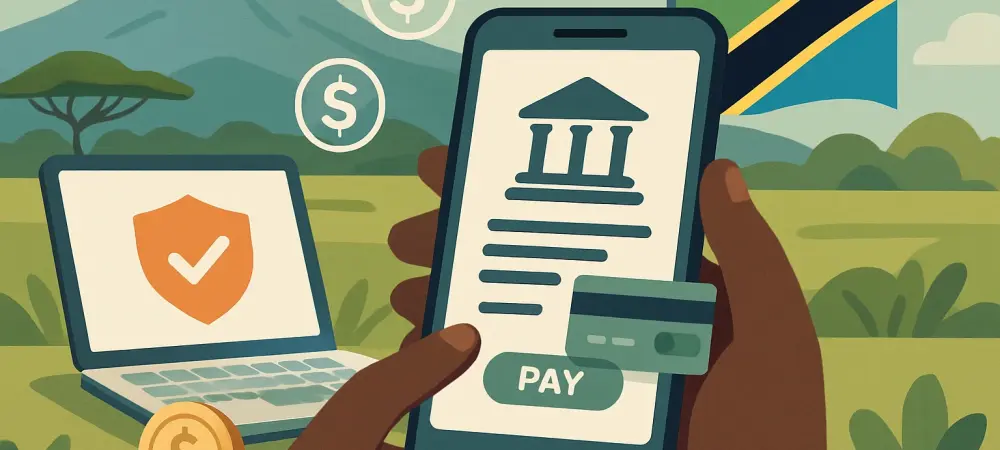
What if a single tap could unlock a world of financial freedom, even in a country where cash reigns supreme? In Tanzania, a nation long tied to physical currency, the landscape of payments is undergoing a dramatic shift, with urban centers like Dar es Salaam buzzing with the promise of digital transactions. At the heart of this transformation stands I&M Bank, which, with groundbreaking card offerings, is challenging old habits and paving the way for a cashless economy. This story dives into how such innovation is reshaping everyday financial interactions for Tanzanians.
The Pulse of a Changing Economy
In a market where cash has been the backbone of trade, especially in rural regions, the rise of digital payments signals a seismic shift. Tanzania’s urban hubs are witnessing a surge in demand for faster, more secure ways to handle money. Recent studies indicate that mobile money usage has grown by over 60% in key cities since 2025, reflecting a readiness for broader digital solutions. I&M Bank has seized this moment, introducing tools that address both local needs and global aspirations. The significance of this move lies in its potential to bridge long-standing gaps in financial access.
The implications of this transition extend beyond mere convenience. For many Tanzanians, especially those in business or frequent travelers, the ability to engage in seamless international transactions is a game-changer. I&M Bank’s latest offerings are not just products; they represent a critical step toward financial inclusion in a region hungry for modernization. This initiative stands as a beacon of progress, promising to redefine how money moves in the country.
Cutting-Edge Cards for a Modern Tanzania
Among the standout innovations are the Mastercard World Elite Debit Card and the Multi-Currency Platinum Prepaid Card, both firsts for Tanzania. Launched in collaboration with Mastercard and OpenWay, these cards cater to diverse segments, from affluent clients to middle-market consumers. The Elite Debit Card offers perks like travel insurance and access to airport lounges worldwide, blending utility with luxury. Meanwhile, the prepaid card supports transactions in 10 currencies, easing the burden of cross-border dealings for travelers and shoppers.
Behind these products is a robust technological foundation powered by OpenWay’s Way4 platform. This system ensures scalability and security, allowing the bank to handle complex transactions with ease. The platform’s flexibility means that as customer needs evolve, so too can the services offered. Such advancements position I&M Bank as a leader in delivering solutions that resonate with a digitally curious audience, eager to move beyond cash.
Leadership Insights Driving the Change
The vision behind this digital push comes alive through the voices of key figures at I&M Bank. Simon Gachahi, Head of Retail and Digital Banking, highlights the operational strides made possible by technology: “Adopting the Way4 platform has streamlined our processes, enabling us to roll out solutions that truly meet customer expectations.” This focus on efficiency underscores the bank’s commitment to staying ahead of the curve in a competitive landscape.
Echoing this sentiment, CEO Zahid Mustafa points to shifting consumer priorities: “Today’s clients demand more than basic banking—they want value and global access.” Meanwhile, Hermann Mike, Regional Director for Sub-Saharan Africa at OpenWay, emphasizes the broader mission: “This partnership is about driving financial inclusion across East Africa through digital innovation.” Together, these perspectives paint a picture of a unified effort to transform how Tanzanians interact with money, prioritizing both practicality and prestige.
Real Stories, Real Impact
Consider the case of Amina, a Dar es Salaam-based entrepreneur who frequently travels to Dubai for business. Before these new cards, managing payments across borders was a hassle, often involving high fees and currency exchange delays. With the Multi-Currency Prepaid Card, Amina now handles transactions in multiple currencies without the usual headaches, saving both time and money. Her experience reflects a broader trend among Tanzanian professionals who are finding newfound ease in global commerce.
Then there’s Juma, a young professional in Arusha, who opted for the Gold Debit Card. The added benefits, like hotel discounts and concierge services, have elevated his travel experiences, making him a vocal advocate for digital payments. These personal accounts highlight how I&M Bank’s innovations are not just technical upgrades but life-changing tools for everyday users. They illustrate the tangible difference such advancements make in fostering a cashless mindset.
Steps to Join the Digital Wave
For Tanzanians curious about stepping into this digital era, the path is straightforward. Begin by selecting a card that aligns with specific needs—whether it’s the premium features of the World Elite Debit Card for high-end benefits or the practicality of the prepaid card for international use. Visiting a local branch or exploring online resources can provide detailed guidance on the application process and associated perks.
Once equipped with the right card, users can maximize benefits like airport Fast Track access or global discounts to enhance routine activities. Security features embedded in these cards also offer peace of mind, reducing the risks tied to carrying cash. Embracing these tools means joining a growing community of Tanzanians who are redefining financial convenience, supported by a bank dedicated to innovation.
Looking back, the rollout of these pioneering cards by I&M Bank marked a turning point for Tanzania’s financial sector. It addressed deep-rooted challenges in a cash-heavy economy and set a new standard for what banking could achieve. As the nation reflected on this milestone, the next steps became clear: wider education on digital tools and expanded access in rural areas were essential to sustain the momentum. Continued partnerships and technological investments promised to keep pushing boundaries, ensuring that every Tanzanian could eventually tap into a world of seamless payments.