

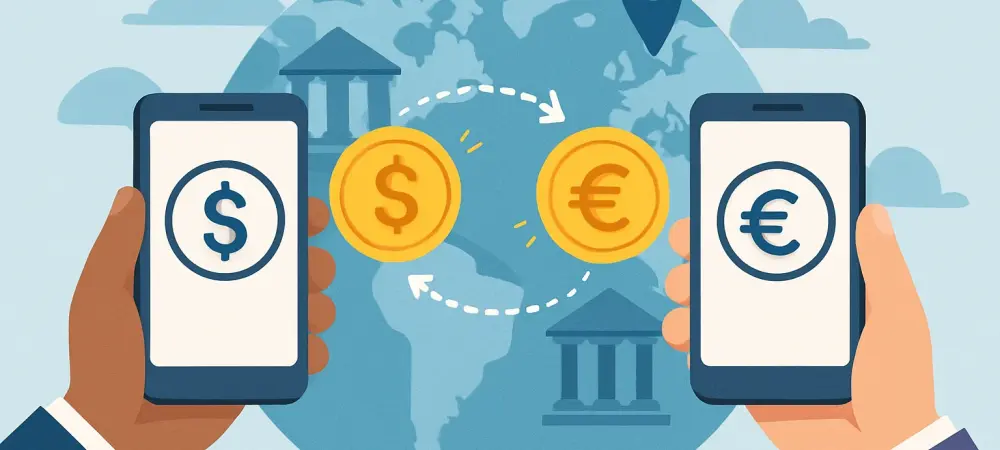
Today, we’re thrilled to sit down with Nicholas Braiden, a trailblazer in the FinTech world and an early adopter of blockchain technology. With his deep expertise in financial technology, Nicholas has been a passionate advocate for its power to revolutionize digital payments and lending systems. Having advised numerous startups on harnessing tech for innovation, he’s the perfect person to dive into the latest advancements in cross-border payment solutions. In this interview, we’ll explore the transformative potential of strategic partnerships in the financial sector, the impact of near-instant payment systems on global transactions, and how these innovations are reshaping access and efficiency for diverse clients across various industries and regions.
Can you share what drives collaborations in the financial technology space, particularly for enhancing cross-border payments?
Absolutely. Collaborations in FinTech often stem from a shared vision to solve real-world pain points in global transactions. The inspiration usually comes from recognizing gaps in speed, cost, and accessibility that traditional systems just can’t address. By partnering with innovative players, companies can combine strengths—like robust payment infrastructures with cutting-edge digital networks—to create solutions that are faster and more inclusive. It’s about meeting the growing demand for seamless, real-time financial services in a world that’s increasingly interconnected.
How do partnerships in this space specifically improve the process of cross-border payments?
These partnerships are game-changers because they integrate diverse technologies to streamline the entire payment journey. For instance, merging a global payment service with a vast digital wallet network allows transactions to happen near-instantly, with full value transferred directly to recipients. This cuts out unnecessary delays and middlemen, ensuring that funds reach their destination quicker and with fewer fees. It’s a significant leap forward for anyone relying on timely international payments.
In what ways do these innovative solutions cater to the needs of different client groups?
The beauty of these solutions is their versatility. For financial institutions, especially in the remittance space, they enable faster and more reliable transfers to individuals abroad, often directly into digital wallets. Corporate clients benefit from efficient business-to-consumer payments, whether it’s payroll for remote workers or customer refunds. Even sectors like the gig economy or public services see huge advantages with quicker disbursements for freelancers or social benefits. It’s about making money move as fast as the modern economy demands.
Why focus on specific countries or regions when rolling out new payment solutions?
Starting with specific regions often comes down to market readiness and need. Countries with a high reliance on digital wallets for everyday transactions are ideal launchpads because the infrastructure and user adoption are already in place. These locations also tend to have significant remittance flows or growing digital economies, making them perfect testing grounds. From there, the plan is usually to scale to other regions with similar dynamics, ensuring the solution adapts to local needs.
How do these new systems tackle challenges like speed, cost, and transparency in international transactions?
Speed is transformed by leveraging real-time processing networks—payments that once took days can now happen in minutes. Cost is addressed by reducing intermediary fees through direct wallet integrations, which benefits both senders and receivers. Transparency comes from providing clear tracking mechanisms, so clients know exactly where their money is at every step. Together, these improvements build trust and efficiency in a space that’s historically been plagued by opacity and delays.
With millions of transactions processed daily by major financial players, how do such collaborations add value on that scale?
When you’re handling millions of transactions a day, even small enhancements can have a massive impact. Collaborations bring specialized capabilities—like access to expansive digital wallet networks—that complement existing systems. This not only boosts the volume of transactions that can be processed in real-time but also enhances the reach into markets that were previously hard to tap. It aligns perfectly with the broader mission of offering always-on, 24/7 payment solutions to a global clientele.
What’s your forecast for the future of cross-border payment solutions in the coming years?
I’m incredibly optimistic about where this is headed. We’re likely to see even deeper integrations of technologies like blockchain for added security and efficiency. The focus will shift toward universal accessibility, ensuring that even underserved populations can participate in the digital economy. I expect rapid expansion into more regions, with solutions becoming more tailored to local financial behaviors. Ultimately, the goal is a world where moving money across borders is as simple and instantaneous as sending a text message.