

Setting the Stage for a New Digital Trading Landscape
In an era where digital asset trading platforms handle billions in daily transactions, the specter of operational failures and security breaches looms large, shaking user confidence to its core. A staggering number of traders have faced losses due to platform downtimes or opaque practices, highlighting a critical need for robust oversight. GoldNX, a prominent player in the digital trading ecosystem, has stepped into this arena with a groundbreaking enhanced oversight framework, aiming to redefine trust and reliability. This market analysis delves into the significance of GoldNX’s strategic upgrades, exploring how they address pressing industry challenges. By examining current trends and future projections, this discussion aims to uncover the broader implications for traders, platforms, and the digital asset market as a whole.
Unpacking Market Dynamics and GoldNX’s Strategic Response
Rising Demand for Accountability in Digital Trading
The digital asset market has witnessed exponential growth, with trading volumes soaring as retail and institutional investors flock to this space. However, this rapid expansion has exposed vulnerabilities, with historical data showing frequent platform disruptions during volatile periods, eroding user trust. Regulatory bodies across the globe are tightening their grip, pushing for stricter compliance and transparency standards. GoldNX’s introduction of a fortified oversight system aligns directly with this trend, emphasizing real-time monitoring to prevent operational hiccups. This move not only caters to the immediate need for stability but also positions the platform as a frontrunner in meeting evolving regulatory expectations.
Real-Time Monitoring as a Market Differentiator
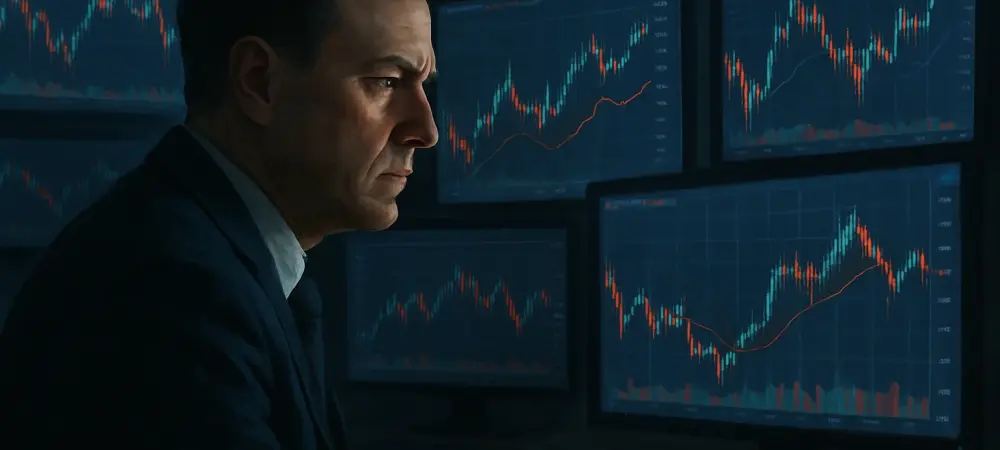
A key pillar of GoldNX’s framework is its advanced real-time monitoring capability, designed to analyze platform behavior, order execution, and settlement processes continuously. This technology ensures early detection of anomalies, minimizing disruptions even during high-volume trading windows. Market analysis indicates that platforms with such proactive systems are gaining a competitive edge, as traders prioritize reliability over mere speed. GoldNX’s investment in this area reflects a broader industry shift toward operational resilience, setting a benchmark that could pressure competitors to follow suit. The challenge lies in balancing technological costs with user benefits, yet the payoff in user retention appears substantial.
Transparency Driving User Engagement
Transparency remains a critical concern in digital trading, where a lack of visibility into platform operations often breeds skepticism. GoldNX addresses this by providing detailed performance metrics and structured reporting, empowering users to make informed decisions. Current market patterns suggest that platforms offering such openness are seeing higher engagement rates, particularly among savvy traders who value data-driven insights. This trend underscores a growing user expectation for clarity, especially during market turbulence. While the risk of misinterpretation by novice traders exists, GoldNX’s approach could catalyze an industry-wide push toward greater disclosure, reshaping how trust is built in digital markets.
Alignment with Global Standards and Institutional Needs
As digital trading matures, alignment with global regulatory standards has become non-negotiable, particularly with institutional investors entering the fray. GoldNX’s framework incorporates automated compliance checks and risk-aligned controls, tailored to diverse regional requirements. Market observations reveal that platforms ignoring these standards risk losing relevance, especially as institutional capital demands robust infrastructure. GoldNX’s proactive stance not only prepares it for large-scale adoption but also challenges the outdated notion of digital trading as an unregulated frontier. This adaptability signals a market shift toward professionalization, with oversight becoming a key metric for platform credibility.
Future Projections: Oversight as the Backbone of Digital Markets
Technological Advancements Shaping Oversight
Looking ahead, the integration of cutting-edge technologies like artificial intelligence for predictive risk analysis is poised to revolutionize oversight in digital trading. Market forecasts suggest that platforms adopting such innovations will likely dominate by offering preemptive solutions to operational risks. GoldNX’s current framework, with its focus on real-time monitoring, lays a solid foundation for incorporating these advancements. The trajectory indicates that within the next few years, from 2025 to 2027, adaptive systems could become standard, pushing platforms to invest heavily in tech-driven governance. This evolution will likely redefine competitive landscapes, favoring those who prioritize foresight over reactive measures.
Economic Factors and Institutional Influence
Economic indicators point to a sustained inflow of institutional capital into digital assets, driven by growing acceptance of cryptocurrencies as viable investments. This influx is expected to heighten demand for platforms with institutional-grade oversight, as seen in GoldNX’s strategic enhancements. Projections show that platforms lacking such robust systems may struggle to attract serious investors, potentially leading to market consolidation. GoldNX’s early alignment with these expectations positions it favorably to capture a significant share of institutional interest. The broader implication is a market increasingly stratified by governance quality, where oversight becomes a primary differentiator.
Regulatory Shifts and Market Maturity
Regulatory landscapes are evolving rapidly, with expectations of stricter mandates on compliance and risk management over the coming years. Market analysis predicts that platforms like GoldNX, which preemptively integrate scalable controls, will navigate these shifts more effectively than their peers. The maturation of digital markets will likely see oversight frameworks as a prerequisite for operational licenses in many jurisdictions. GoldNX’s current initiative serves as a model for balancing innovation with discipline, potentially influencing how future regulations are shaped. This trend toward heightened accountability suggests a future where only the most transparent and secure platforms thrive.
Reflecting on Insights and Charting the Path Forward
Looking back, the analysis of GoldNX’s enhanced oversight framework reveals a transformative approach that tackles critical market challenges like instability and lack of trust. The examination of current trends underscores how real-time monitoring and transparency have become vital for user confidence, while alignment with global standards positions GoldNX as a leader in a maturing landscape. Future projections highlight the growing role of technology and institutional influence in shaping oversight norms. Moving forward, traders are encouraged to gravitate toward platforms demonstrating proven reliability and clear reporting, ensuring safer trading experiences. Platforms, on the other hand, need to view GoldNX’s model as a call to action, investing in scalable systems to remain competitive. Ultimately, the industry stands at a pivotal moment where embracing disciplined innovation could unlock sustained growth and credibility for all stakeholders.