

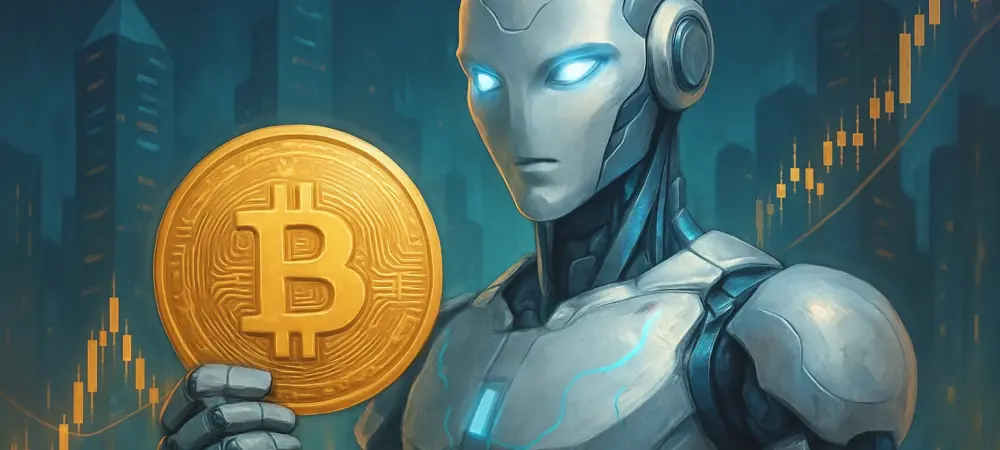
Crypto Market Evolution in a Transformative Era
In the dynamic realm of cryptocurrency, where volatility meets innovation, a staggering $1 trillion in market cap has shifted toward utility-driven projects this year alone, underscoring a critical pivot in investor priorities. This seismic change highlights a sharp focus on technologies that deliver real-world impact. At the heart of this transformation is Blazpay Crypto AI, a rising star with its AI-powered financial tools, alongside established giants like Polkadot (DOT) and NEAR Protocol (NEAR), which continue to anchor the blockchain ecosystem. This analysis delves into the forces shaping the current crypto landscape, examining why these projects stand as pivotal investments and what their trajectories reveal about broader market trends.
Dissecting Market Dynamics and Key Players
Blazpay Crypto AI: Redefining Investment Potential
Blazpay Crypto AI has emerged as a formidable contender in the crypto space, blending artificial intelligence with decentralized finance (DeFi) to offer unparalleled utility. Currently in Phase 3 of its presale with tokens priced at a mere $0.009375, the project has already sold over 150 million tokens and raised more than $1 million, signaling robust investor enthusiasm. Its ecosystem, supporting over 50 cryptocurrencies and serving a user base of 800,000 with millions of transactions, positions it as a leader among AI-driven crypto assets.
The platform’s intelligent trading algorithms and cross-chain liquidity solutions address critical pain points in digital finance, such as efficiency and accessibility. With an investment of $4,000 potentially yielding 10x returns if the token price climbs to $0.10, the upside for early adopters is striking. However, the inherent risks of presale volatility and the need for sustained post-launch adoption remain key considerations for market participants.
Polkadot (DOT): A Stalwart of Blockchain Interoperability
Polkadot continues to hold its ground as a foundational layer-1 blockchain, emphasizing interoperability across diverse networks. Trading at approximately $2.90 with a market cap of $4.08 billion, DOT exhibits signs of recovery driven by heightened developer engagement and anticipation for the Polkadot 2.0 upgrade. Analysts project a potential rally to $9–$10.5 if it surpasses the $7.5 resistance level, with long-term aspirations reaching up to $25.
Unlike the rapid growth narrative surrounding newer entrants like Blazpay, Polkadot offers a more measured pace, appealing to investors seeking stability over speculative gains. The challenge lies in maintaining a competitive edge against AI-infused projects, yet its robust infrastructure ensures it remains a cornerstone of the blockchain sector, balancing reliability with gradual innovation.
NEAR Protocol (NEAR): Scalability as a Market Anchor
NEAR Protocol, trading near $2.12 with a market cap of $2.35 billion, secures its relevance through a focus on scalability and a developer-friendly framework. Despite facing short-term bearish pressure, market forecasts suggest a 20% upside to $2.48 by the close of this year or into early next. Its consistent updates and usability enhancements make it a steady player in the smart contract arena.
In contrast to Blazpay’s high-octane presale allure, NEAR caters to those prioritizing sustainable growth over immediate returns. Regional adoption shows strength in markets like Asia and Europe, though broader market fluctuations pose ongoing risks. This balance of innovation and steadiness underscores NEAR’s role as a reliable option amidst a volatile crypto environment.
Emerging Patterns and Projections in the Crypto Sphere
The crypto market this year is increasingly defined by the intersection of AI-driven functionalities and scalable blockchain architectures. Blazpay Crypto AI spearheads this trend, with projections indicating a post-presale price surge to $0.08–$0.12, fueled by demand for automated trading and payment solutions. Such advancements highlight a growing investor appetite for projects that merge cutting-edge technology with practical applications.
On the infrastructure front, upgrades like Polkadot 2.0 and NEAR’s scalability improvements signal enduring relevance for layer-1 solutions. Regulatory developments across major economies, including the U.S. and EU, could introduce hurdles but also opportunities for projects demonstrating compliance and transparency, such as Blazpay. This evolving landscape suggests that the integration of AI with blockchain may catalyze mainstream adoption, reshaping DeFi and beyond.
Market sentiment further reflects a diversification strategy, where balancing high-risk, high-reward presales with established assets becomes paramount. Blazpay’s real-time analytics and SDK capabilities offer tools for informed decision-making, while Polkadot and NEAR provide a bedrock for long-term portfolio stability. These dynamics point to a maturing market where utility and innovation drive investment choices over mere speculation.
Strategic Reflections and Forward-Looking Insights
Looking back, the analysis of Blazpay Crypto AI, Polkadot, and NEAR Protocol paints a vivid picture of a market that rewards both bold innovation and steadfast reliability. The remarkable traction of Blazpay’s presale, juxtaposed with the enduring strength of Polkadot and NEAR, underscores a dual pathway for investors navigating this complex terrain. For those who capitalized on early opportunities, the potential for exponential gains with Blazpay was a defining highlight, while the steady ascent of established blockchains offered a counterbalance. Moving forward, strategic diversification emerges as a critical takeaway, with allocations across presale prospects and proven assets mitigating inherent risks. Investors are encouraged to leverage analytical tools and monitor regulatory shifts to stay ahead of market curves. Ultimately, the fusion of AI and blockchain, as exemplified by these projects, suggests a transformative horizon where adaptability and foresight become indispensable for sustained success in the crypto domain.