

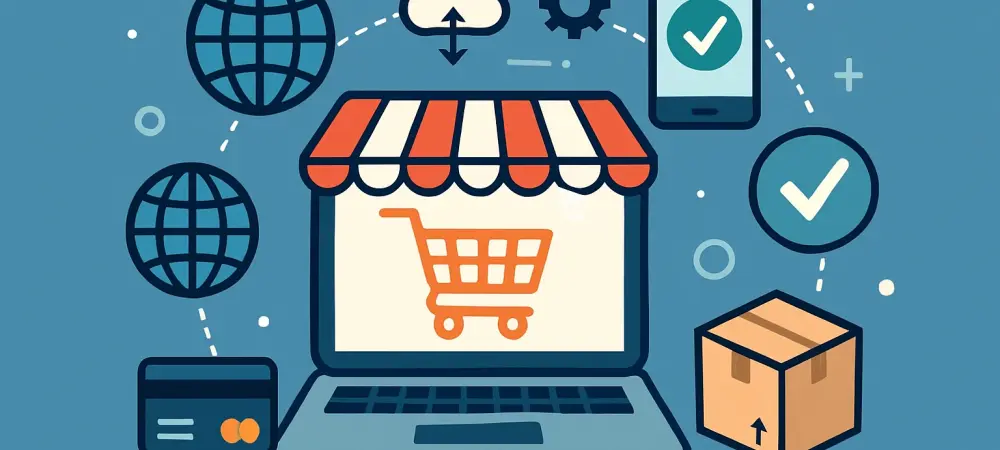
As we dive into the evolving world of e-commerce technology, I’m thrilled to sit down with Aisha Amaira, a renowned MarTech expert with a deep-rooted passion for integrating cutting-edge technology into marketing strategies. With her extensive background in CRM marketing technology and customer data platforms, Aisha brings a unique perspective on how businesses can harness innovation to unlock critical customer insights. Today, we’ll explore her insights on a groundbreaking partnership that’s transforming global logistics for e-commerce merchants, focusing on seamless integrations, time-saving automations, and the future of connected tools in the digital commerce space.
How did the idea of partnering with a platform for integrations come about, and what specific challenges were you aiming to solve?
The idea stemmed from a need to streamline operations for our merchants. E-commerce is a fast-paced environment, and manually handling tasks like shipping labels or order updates was eating up too much time. We noticed that building integrations in-house was a slow, resource-heavy process. Our goal was to find a solution that could accelerate this while ensuring reliability, so merchants could focus on growing their businesses rather than getting bogged down in repetitive tasks.
Can you share how much time this partnership has saved in rolling out key integrations compared to doing it internally?
Absolutely. In the past, creating a single integration could take weeks, if not months, due to the engineering effort involved. With a platform that offers prebuilt connectors, we’ve slashed that timeline significantly—sometimes down to just hours for setup and testing. This speed lets us prioritize innovation over grunt work, meaning we can deliver value to merchants much faster.
There’s a significant figure floating around—over 1,500 hours saved annually for merchants, translating to about $40,000 in labor costs. Can you break down how these savings are achieved?
Sure, those numbers come from automating tedious, manual processes. Think about tasks like generating shipping labels, updating order statuses, or notifying customers about shipments—each of these takes time when done by hand. By syncing data in real time, we eliminate those repetitive steps. For a busy merchant, that adds up to hundreds of hours over a year, which, when you factor in labor costs, easily hits that $40,000 mark in savings.
Speaking of real-time syncing, can you walk us through how this functionality benefits merchants on a practical level?
It’s a game-changer. Real-time syncing means that as soon as an order is placed, the data—like order details, customer info, and shipping requirements—flows instantly between systems. This cuts out delays, reduces errors, and ensures that merchants can fulfill orders faster. For their customers, it translates to quicker updates and a smoother buying experience, which builds trust and loyalty.
With access to a vast library of prebuilt connectors, how does this capability help in expanding the range of tools available to merchants?
It’s incredibly empowering. Having hundreds of connectors at our fingertips means we can quickly add the most in-demand tools to our app marketplace. Merchants no longer have to wait months for a specific integration they need. We can respond to their requests almost in real time, ensuring they have access to a toolkit that matches their unique workflows and business goals.
How do you determine which tools or integrations are the most critical for your merchant base?
We lean heavily on merchant feedback and data. By analyzing usage patterns and listening to direct requests, we get a clear picture of what’s most important. We also look at industry trends to anticipate needs—whether it’s a popular shipping solution or a niche marketing tool. Our aim is to stay ahead of the curve, ensuring merchants have what they need before they even have to ask.
This partnership seems to offer a lot of flexibility for different business models. Can you elaborate on how you tailor integrations to meet diverse merchant needs?
Definitely. E-commerce isn’t one-size-fits-all, and neither are our merchants. Some run small boutiques, while others manage large-scale operations across multiple regions. We work to ensure integrations can be adapted—whether it’s customizing data flows or prioritizing certain features based on industry demands. This flexibility lets us support a wide range of business models without compromising on efficiency or relevance.
What’s your forecast for the future of connected tools in the e-commerce space?
I see the future as even more interconnected. As merchants continue to adopt diverse stacks of tools, the demand for seamless integrations will only grow. We’re likely to see advancements in automation that not only connect systems but also predict and adapt to merchant needs using AI and machine learning. The focus will be on creating ecosystems where data flows effortlessly, empowering businesses to scale faster and smarter in an increasingly competitive landscape.