

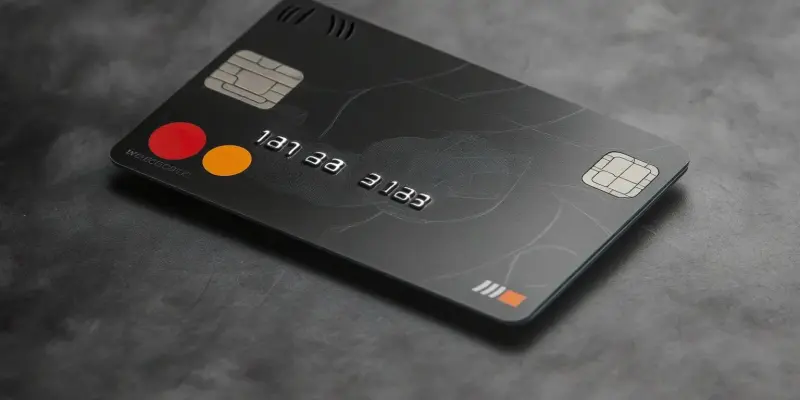
Mastercard has recently launched an innovative financial solution known as One Credential, designed to cater specifically to the payment preferences of Generation Z. This platform integrates a variety of payment methods, including prepaid, debit, and credit cards, as well as buy now pay later (BNPL) options to provide users with enhanced control and flexibility. Recognizing the unique needs and behaviors of the younger, digitally native demographic, Mastercard aims to establish early engagement and foster long-term customer relationships through One Credential’s comprehensive suite of financial tools.
Understanding Generation Z’s Payment Preferences
The Shift Toward Innovative Financial Solutions
According to GlobalData’s 2024 Financial Services Consumer Survey, 43% of consumers aged 18 to 29 are considerably more inclined towards new and innovative payment experiences, compared to the 35% population average. This technologically adept generation prioritizes quick and convenient payment solutions, sometimes at the expense of traditional concerns like privacy and security, reflecting a higher tolerance for risk. As digitally native individuals, Generation Z has grown up with technology that continuously evolves, making them particularly receptive to embedded finance solutions like Mastercard’s One Credential.
This evolving preference for digital solutions suggests that traditional payment methods might not entirely satisfy the financial needs of younger consumers. For instance, emerging technologies and apps that streamline payment processes are highly valued due to their ease of use and the instantaneous nature of transactions they offer. The integration of diverse payment options within One Credential thus stands poised to meet these expectations effectively. Given this backdrop, Mastercard’s effort to encompass prepaid, debit, credit, and BNPL options within a single platform positions the company strategically to engage and capture the interest of this generation.
Credit Card Usage Among Younger Consumers
The survey also shows that only 65% of 18 to 29-year-olds currently hold at least one credit card, a significant contrast compared to 77% of the overall population. This discrepancy highlights a substantial market opportunity for Mastercard to attract younger consumers by embedding an easy-to-use credit card solution within One Credential. Younger individuals often have less stable incomes, which can make managing credit effectively quite challenging. Hence, the ability to set spending limits within the app acts as a practical tool to mitigate risks associated with overspending.
Furthermore, many younger consumers avoid traditional credit cards due to concerns over accruing debt and managing financial discipline. By offering a dynamic platform where budgeting tools and spending controls are seamlessly integrated into the payment process, Mastercard addresses these concerns head-on. As a result, One Credential can become an essential tool for these users, facilitating careful financial planning and spending within safe limits. This proactive approach not only garners trust among younger users but also promotes responsible financial behavior, thereby reducing the risks that typically deter them from using credit cards.
Competing with BNPL Solutions
The Popularity of BNPL Among Gen Z
One Credential also serves as Mastercard’s strategic response to the rising prevalence of BNPL solutions like Klarna and Afterpay, which have gained considerable traction among younger consumers. GlobalData’s Buy Now Pay Later Analytics reveals that 2024 marked the first year when a majority (51%) of consumers had utilized a BNPL tool, signifying a notable shift in consumer payment preferences. BNPL solutions attract younger users due to the flexibility they offer in financing purchases over multiple installments without the burden of traditional credit checks.
This growing popularity suggests that younger generations are seeking alternative ways to handle larger expenses more manageably. By incorporating installment options into the range of payment choices available within One Credential, Mastercard effectively broadens its appeal to this market segment. With BNPL integration, users can seamlessly make larger purchases with financial ease, disperse payment responsibilities over time, and avoid the immediate financial strain often associated with significant expenditures. As BNPL continues capturing the interest of Gen Z, Mastercard’s move to include this option strengthens its competitiveness and caters directly to user preferences.
Benefits of Integrated Payment Options
The integration of multiple payment options within One Credential—including BNPL, debit, credit, and prepaid—provides significant benefits for users, particularly when managing sizable purchases. This flexibility allows consumers to finance large transactions over several payments, making expenses more manageable and decreasing financial stress. Consequently, it is expected that such capabilities will elevate the total value of transactions processed through Mastercard’s network, contributing to higher revenue generation from fees.
Consumers benefit from the ability to choose the payment method that best aligns with their immediate financial circumstances, whether that be through direct debit, utilizing credit, or opting for installment payments. This tailored approach not only enhances user satisfaction and convenience but also enables more effective budget management and access to credit when needed. Ultimately, this integrated offering allows Mastercard to provide a seamless, versatile payment experience that aligns closely with the evolving preferences and lifestyle of Generation Z, fostering loyalty and long-term usage.
Long-Term Engagement and Revenue Growth
Capturing Young Consumers Early
Mastercard’s strategy is heavily oriented towards engaging Generation Z at the outset of their financial journeys by offering robust tools like BNPL and prepaid cards. These instruments are specifically designed to aid in budgeting and exerting control over finances, making them extremely attractive to younger users. As these consumers grow older and their financial requirements become more intricate, they are anticipated to shift their reliance from prepaid and BNPL solutions to more traditional debit and credit cards which, in turn, results in higher transaction fees for Mastercard.
Additionally, by embedding financial education and management tools within these instruments, Mastercard aims to foster responsible financial habits among younger users. This early engagement not only boosts the immediate adoption of One Credential but also nurtures long-term loyalty as these individuals transition through various stages of their financial lives. The goal is to build a strong relationship with Gen Z early on, ensuring that as their financial capacities expand, they perceive Mastercard as a trusted and flexible partner in their monetary dealings.
Anticipating Future Financial Needs
Mastercard has recently introduced an innovative financial tool called One Credential, tailored to meet the specific payment preferences of Generation Z. This platform amalgamates various payment methods including prepaid, debit and credit cards, as well as buy now pay later (BNPL) options, providing users with greater control and flexibility over their finances. Understanding the unique needs and behaviors of this younger, tech-savvy generation, Mastercard’s One Credential aims to create early engagement and build long-term customer relationships. By offering a comprehensive suite of financial tools, Mastercard hopes to attract and retain Gen Z customers through enhanced convenience and adaptability. The platform is designed with an emphasis on digital integration to match the payment habits of this demographic, making it easier for them to manage their finances in one unified system. This strategic move reflects Mastercard’s commitment to evolving with the times and keeping pace with the digital preferences of younger consumers.