

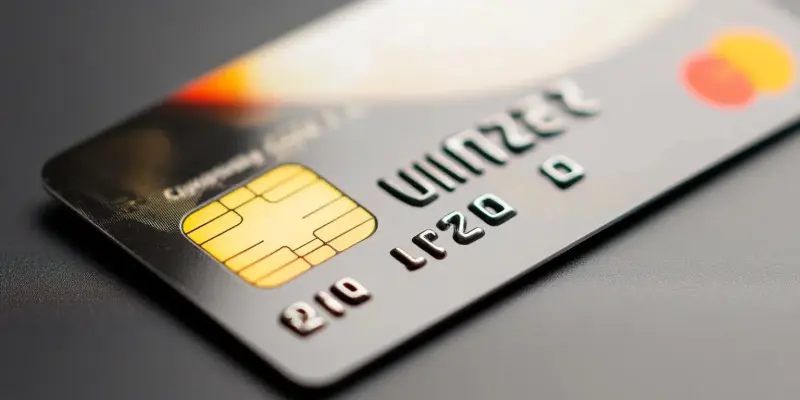
In the rapidly changing landscape of Europe’s online payment solutions, Unzer’s collaboration with Mastercard is poised to make waves. Unzer, a German payment solutions provider, has partnered with one of the world’s largest financial services companies to introduce the Unzer Direct Bank Transfer. This innovative pay-by-bank service leverages the power of open banking, creating a payment experience that’s streamlined and secure. By utilizing existing bank authentication methods such as biometric verification, Unzer Direct Bank Transfer has been designed to fill the void left by the recent closure of Paydirekt. Initially available to merchants in Germany, it aims for a broader rollout across other SEPA countries later this year, potentially bringing significant changes to Europe’s online transaction landscape. It’s noteworthy that Unzer is offering a white-label option, allowing merchants to customize their checkout processes to better align with their branding.
Unzer’s Ambitious Strategy
Unzer is not merely stepping into the shoes of Paydirekt; it is aiming to surpass it. Paydirekt, a German initiative, struggled to establish itself as a formidable contender against industry giants like PayPal. It was eventually overshadowed by the European Payments Initiative (EPI). EPI had initially set out to build a competitive edge against Visa and Mastercard by introducing credit cards but later pivoted towards creating a comprehensive payment system for Europe, integrating a digital wallet capable of diverse payment methods. However, EPI’s vision was hindered when several member banks withdrew from the project. Despite these challenges, Unzer’s partnership with Mastercard signals a serious attempt to deliver solutions that can compete with established entities. The introduction of Unzer Direct Bank Transfer seeks to capitalize on the infrastructure left behind by the EPI and Paydirekt by providing a simplified and reliable payment method.
Navigating Competition and Innovation
The European payment market is highly competitive, with multiple entities striving for dominance. Unzer seeks to set itself apart with its simple service model that doesn’t require customers to download additional apps, unlike some of its competitors. Despite facing stiff competition from players like Sofort, which has merged with Swedish fintech giant Klarna, Unzer spots a significant opportunity to capture market share. Klarna is a powerful contender with its established brand and services, posing a challenge to Unzer’s ambitions in the open banking sector. However, buoyed by its partnership with Mastercard, Unzer is emphasizing its user-friendly approach, focusing on ease of use and comprehensive bank verification to attract both merchants and customers. This strategic alliance mirrors Unzer’s broader goals to delve deeper into the European market. Their initiative could transform online payment processing by making transactions more accessible and secure, potentially revolutionizing the user experience. Through continuous innovation and strategic adaptations, Unzer is poised to make notable advances in the industry, addressing both consumer needs and market demands.