

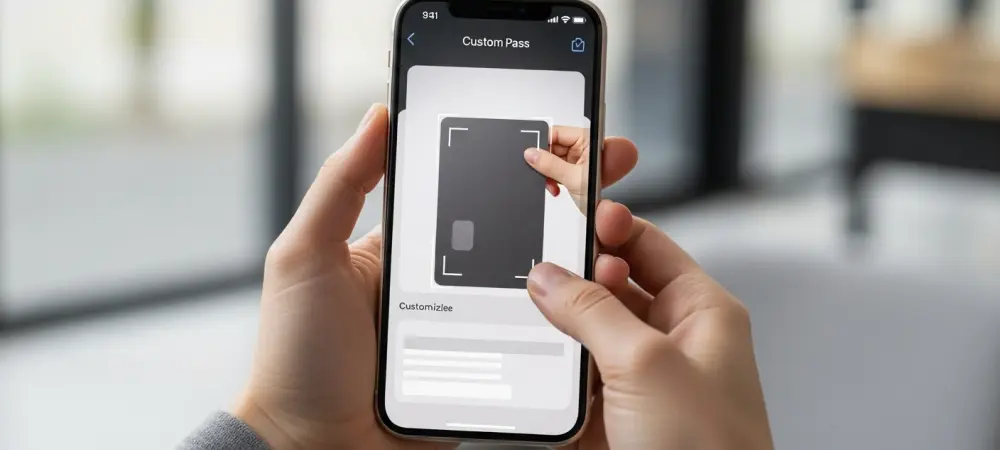
The persistent presence of bulging physical wallets continues to stand as a significant barrier to the complete digital transformation of personal finance and daily logistics in 2026, even as contactless payments have become the global standard for most transactions. Apple addresses this lingering inconvenience by introducing a robust Create a Pass tool within its latest operating system update, specifically targeting items that previously lacked native digital support. This feature empowers users to take control of their digital organization by manually importing physical documents through simple photographic capture or QR code scanning. Instead of relying on specific merchant partnerships, individuals can now select from three standardized templates designed to accommodate memberships, event entries, and a versatile general category. This last option is particularly useful for miscellaneous items like boutique gift cards or local community vouchers that often get misplaced or forgotten at home. By providing a structured framework for these orphaned physical assets, the update effectively closes the gap between high-end digital integration and the smaller, everyday interactions that still rely on tangible media.
Bridging the Gap: Consumer Preferences and Manual Utility
Recent analytical data highlights a growing friction between consumer expectations and the reality of wallet management, with nearly half of the domestic population expressing a strong desire to store gift cards digitally. The motivation is clear: reducing the risk of lost value and ensuring that stored balances are available at the exact moment of a purchase decision. However, industry experts remain cautious about the long-term adoption of manual digitization due to what is known as the self-provisioning gap. Because approximately seventy percent of gift cards are fully redeemed within thirty days of their initial receipt, the effort required to photograph and categorize a card might outweigh the perceived benefit for a short-lived asset. For this reason, the success of the tool hinges on how seamlessly the software can extract data from images and populate the necessary fields without requiring extensive manual corrections. If the process remains frictionless, it could redefine how consumers interact with small-scale vendors who lack the infrastructure for direct wallet API integration. This shift suggests that the value of digital convenience is becoming a priority even for temporary financial instruments.
Strategic Evolution: Enhancing Loyalty through Digital Conversion
From a commercial perspective, the transition of physical cards into a centralized mobile ecosystem offered a significant opportunity for retailers to convert one-time customers into recurring participants. When a customer digitized a physical gift card, the merchant effectively gained a permanent presence on the user’s primary device, turning a static piece of plastic into a dynamic stored-value account. This transformation facilitated a more immersive environment where integrated rewards and personalized notifications drove brand loyalty more effectively than traditional methods. Businesses that recognized this trend early began optimizing their physical assets for easier digital ingestion, ensuring that their branding remained prominent once the card moved into the digital realm. Ultimately, the objective focused on consolidating fragmented physical media into a secure, cohesive platform that prioritized user convenience while expanding the reach of merchant ecosystems. Stakeholders should now look toward implementing universal scanning standards to ensure that manually created passes remain compatible across various point-of-sale systems. This proactive approach simplified the user experience and established a new foundation for the digital storage of non-traditional assets.