

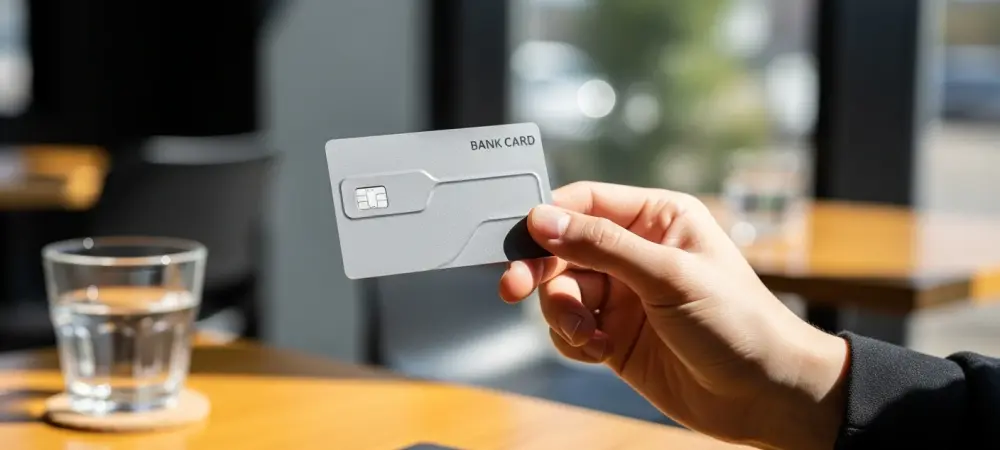
As a veteran in the financial services landscape, our guest today brings a specialized perspective on how traditional banking institutions can reclaim their relevance in a crowded digital marketplace. With an extensive background in strategic product positioning, they have spent years analyzing the psychological shift from transactional banking to emotional brand engagement. Today, we delve into why the physical payment card is undergoing a renaissance and how savvy banks are using it to transition from a background utility to a central lifestyle icon.
We explore the evolving dynamics of account primacy, where the card serves as the essential daily touchpoint that prevents customer dormancy. The conversation covers the shifting competitive landscape where fintechs are rapidly gaining ground, and why a sensory-driven approach—incorporating weight, sound, and texture—is the key to winning over the younger, experience-hungry demographics like Gen Z and Millennials.
Many institutions treat payment cards as basic utility items rather than strategic tools, leading to significant customer indifference. How can banks shift this mindset to drive account primacy, and what specific metrics or step-by-step strategies ensure the card remains a vital daily touchpoint for the user?
For too long, the industry has dismissed cards as a mere “hygiene factor,” which explains why a staggering three-quarters of today’s banking customers feel indifferent or even dissatisfied with their card experience. To shift this mindset, banks must elevate the card to a “hero product” status, recognizing it as the most frequent physical connection a customer has with their brand. The strategy begins with moving away from seeing the card as a cost center and instead viewing it as a vehicle for account primacy. We should look at the card as the primary engine that keeps an account active; without that daily touchpoint, an account often falls into a state of dormancy shortly after it is opened. By focusing on the emotional engagement of the user every time they reach into their wallet, banks can transform a routine swipe into a deliberate choice that reinforces loyalty.
Digital banks and fintechs are capturing nearly half of all new checking account openings. What lifestyle-aligned features should traditional banks prioritize to compete, and how can these physical tools prevent new accounts from becoming inactive or dormant shortly after the initial onboarding process?
The competitive shift is undeniable, with digital banks and fintechs increasing their share of U.S. checking account openings from 36% to a significant 47% in just four years. To compete, traditional banks must prioritize features that reflect the customer’s identity and personal values, moving beyond generic rewards to true lifestyle alignment. A physical card serves as a constant, tangible reminder of the bank’s presence in a customer’s life, which is essential because so many accounts turn inactive almost immediately after onboarding. When a bank provides a card that feels like a premium accessory rather than a piece of disposable plastic, it creates a sense of ownership and pride. This physical connection acts as a psychological anchor, making the customer much more likely to utilize the account for their daily needs rather than letting it sit idle.
Most Gen Z and Millennial consumers report that card aesthetics influence their brand perception, coinciding with a renewed interest in physical shopping malls. Why is tactile, sensory feedback so effective for these generations, and how can banks use physical design to turn a transaction into a memorable experience?
Younger consumers are steering away from purely digital interactions and rediscovering the joy of the physical world, which is why 64% of Gen Z and 68% of Millennials admit the look of their card influences how they perceive a bank. This generation craves experiences, much like the sensory-rich environment of a bustling shopping mall where the sound of music, the aroma of food, and the texture of fabric all collide to create a memory. Banks can mirror this by designing cards that engage multiple senses, turning a simple payment into an emotionally charged event. When a card features a striking visual design or a unique texture, it stops being a tool and starts being a conversation piece. By leaning into these sensory details, banks can tap into the lifestyle of today’s customers who want every transaction to feel like a part of their personal narrative.
Metal cards are emerging as powerful tools for regional banks looking to protect their customer base from larger competitors. Beyond the “cool factor,” how do the weight and sound of these cards function as experience enablers, and what anecdotes illustrate their ability to deepen long-term customer relationships?
Regional banks are increasingly tired of seeing major national players snap up their best customers, and they are using metal cards as a sophisticated way to cut off this encroachment. These cards are “experience enablers” because they are emotionally heavier than plastic; they offer a cool feel and a distinct, satisfying sound when placed on a counter that immediately signals quality and prestige. This tactile feedback creates a “delight” factor that Capgemini recently highlighted as a way to secure a prominent place in a customer’s wallet. I have seen instances where a customer’s relationship with a local bank was completely revitalized simply because the physical card they carried felt superior to the mass-produced plastic of a larger competitor. It’s about the sensory impact of the transaction—the weight in the hand and the visual impact of the design—that turns a standard bank account into a premium relationship.
What is your forecast for the role of physical payment cards as the financial industry moves toward even more digital disruption?
My forecast for the physical payment card is that it will transition from a mass-market commodity into the ultimate physical anchor for brand loyalty in an increasingly invisible digital world. While digital disruption is inevitable, the more our financial lives move behind a screen, the more we will value the tangible, sensory-driven experiences that only a physical product can provide. Banks that treat the card as a strategic asset—using high-quality materials and thoughtful design to evoke emotion—will dominate the “front-of-wallet” position. We will see the card evolve into a powerful symbol of status and lifestyle alignment that bridges the gap between digital convenience and physical satisfaction. Ultimately, the physical card is not just surviving the digital age; it is becoming the most important tool for banks to deliver delight and unlock deeper customer relationships.