

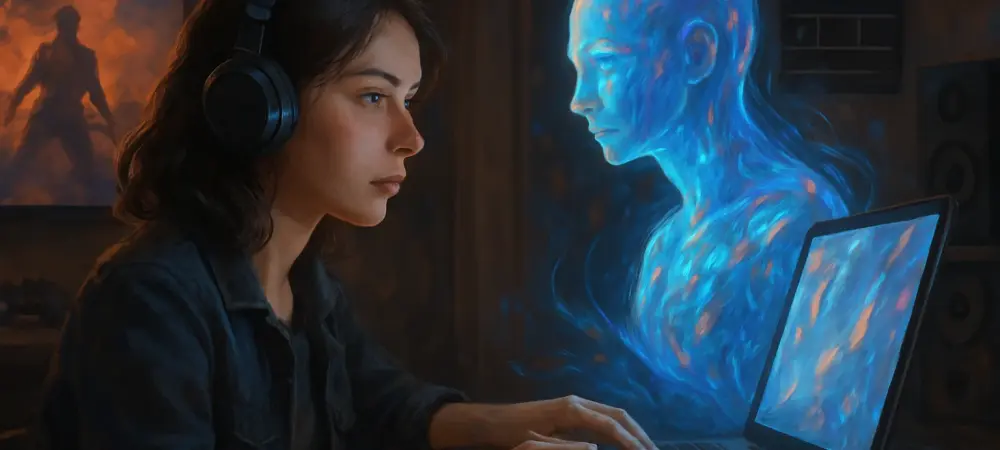
Hollywood’s storytelling landscape is undergoing a seismic shift as generative AI emerges as a game-changer, with Netflix leading the charge by embedding this technology into blockbuster productions, fundamentally altering how content is created. This isn’t just about cutting-edge special effects; it’s a bold reimagining of how content is crafted and consumed in an era defined by fierce streaming competition. This analysis dives deep into the surge of generative AI across the entertainment sector, spotlighting Netflix’s trailblazing efforts, dissecting industry reactions, exploring real-world applications, and projecting the future of this transformative trend.
The Rise of Generative AI in Entertainment
Growth and Adoption Trends
Generative AI has seen a remarkable uptick in adoption within the entertainment industry, with investment in AI tools projected to grow significantly over the coming years, according to recent industry reports from sources like TechCrunch. Studies indicate that studios integrating AI into production workflows have reported up to a 30% reduction in costs and slashed project timelines by weeks, highlighting the technology’s appeal in a high-stakes market. This momentum is driven by the need to produce high-quality content at scale, especially as streaming platforms compete for subscriber loyalty.
Major players like Netflix are at the forefront, leveraging AI not just for efficiency but as a strategic tool to maintain a competitive edge. Beyond cost savings, the focus is on enhancing viewer engagement through personalized content recommendations and innovative advertising models. This widespread adoption signals a broader industry shift toward embracing technology as a core component of creative and operational success.
The trend isn’t without challenges, as varying levels of adoption across studios reveal hesitancy due to union pressures and risk aversion. Yet, with clear and measurable financial incentives, the trajectory points to AI becoming a staple in entertainment, reshaping how resources are allocated and projects are executed.
Real-World Applications and Case Studies
Netflix’s use of generative AI in projects like the Argentine series “El Eternauta” stands as a prime example of the technology’s impact, where visual effects were produced ten times faster than traditional methods. Collaborations with AI tool providers such as Runway AI enabled the creation of high-budget aesthetics on a fraction of the usual budget, proving that innovation can coexist with fiscal responsibility. This case underscores AI’s ability to accelerate complex production phases without compromising visual quality.
Beyond visual effects, generative AI is making waves in diverse applications like storyboarding, concept art, and even de-aging actors for period dramas or long-running series. Tools from companies like Runway AI assist in pre-production by generating mood boards and script visualizations, allowing creators to iterate ideas quickly. Additionally, AI-driven personalization in recommendation algorithms ensures viewers receive tailored content, enhancing user retention on platforms.
These implementations highlight a dual benefit: operational streamlining and creative enhancement. From crafting immersive worlds to refining audience experiences, generative AI is proving to be a versatile ally in filmmaking, pushing the boundaries of what’s possible while addressing practical constraints faced by studios.
Industry Voices on AI’s Impact
The integration of generative AI has elicited a spectrum of reactions from key stakeholders in entertainment. Netflix executives, including Co-CEO Ted Sarandos, have championed the technology, asserting it makes content “better, faster, and cheaper,” as reported in industry discussions. This optimism frames AI as a catalyst for empowering creators to focus on storytelling while automating repetitive tasks.
Conversely, unions like SAG-AFTRA and independent filmmakers have voiced concerns over potential job losses and a decline in content quality, often referred to as “AI slop” on platforms like X. These critics argue that an over-reliance on automation risks sidelining human talent, particularly in roles like visual effects and scriptwriting, while possibly flooding markets with subpar outputs. This tension reflects a deeper unease about technology encroaching on artistic integrity.
Balancing these views, tech enthusiasts and industry analysts advocate for AI as a creative enabler rather than a replacement for human input. They point to its potential to democratize production tools, allowing smaller studios to compete with giants. This ongoing debate underscores a critical juncture for the industry, where the benefits of innovation must be weighed against ethical and professional implications.
Future Horizons for Generative AI in Entertainment
Looking ahead, generative AI is poised to deepen its footprint in entertainment, potentially revolutionizing scriptwriting by generating initial drafts or dialogue options for writers to refine. Advances in character design could see AI crafting hyper-realistic digital avatars, while localization tools might adapt content seamlessly for global audiences, breaking down language and cultural barriers with unprecedented speed. The benefits are enticing, particularly in democratizing access to high-end production capabilities for creators outside traditional Hollywood circles. However, challenges loom large, including ethical dilemmas around deepfake misuse and intellectual property rights, alongside increasing regulatory scrutiny from bodies like the FTC. Striking a balance between innovation and oversight will be crucial to prevent misuse while fostering trust.
Optimistic projections envision AI enhancing creativity by serving as a collaborative partner, inspiring unique narratives and visuals. Yet, cautionary scenarios warn of diminished human input, where over-automation could lead to generic content oversaturation, alienating discerning audiences. The evolving role of AI will likely hinge on how the industry navigates these dual possibilities, shaping a future that either amplifies or undermines storytelling traditions.
Conclusion: Navigating the AI Revolution
Reflecting on this transformative period, the rise of generative AI in entertainment marked a turning point, with Netflix’s pioneering efforts showcasing efficiency gains and setting ethical benchmarks through transparent guidelines. Industry reactions ranged from enthusiastic endorsement to stark criticism, revealing deep uncertainties about job security and creative quality. The future remained a landscape of both promise and peril, as AI’s potential to redefine storytelling grappled with risks of over-reliance. Moving forward, stakeholders need to prioritize dialogue between technologists, creators, and regulators to establish robust frameworks that safeguard talent while harnessing innovation. A concerted effort to integrate AI as a supportive tool—rather than a standalone solution—offers a path to preserve the human essence of art. By fostering collaboration and ethical standards, the entertainment sector can ensure that this technological wave elevates narratives rather than diminishes their soul.