

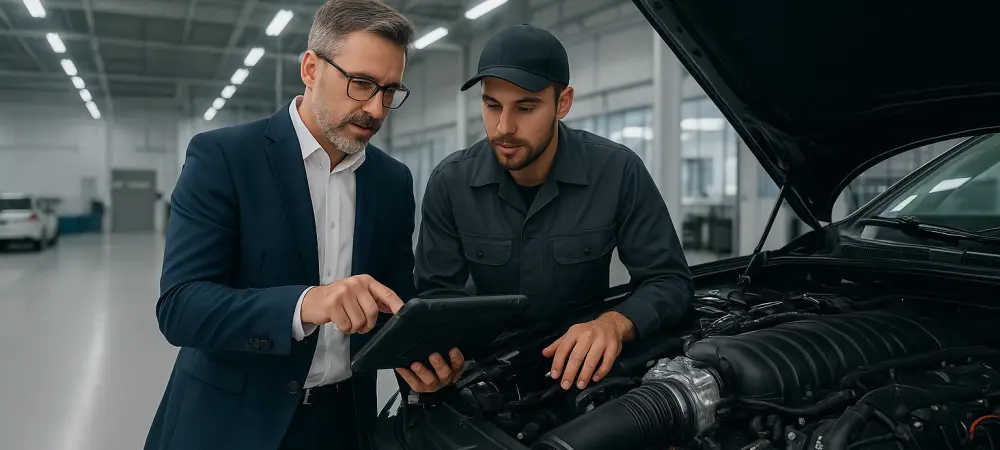
Gatlin’s previous experience managing Overseas Chief Quality Engineering provides a specialized technical perspective for her new role leading Nissan’s customer satisfaction efforts. This strategic appointment marks a significant departure from traditional customer relations models that typically prioritize marketing or communications backgrounds. Instead, the focus has shifted toward deep-rooted technical proficiency to address the complexities of modern automotive engineering. In 2026, the vehicle landscape is defined by intricate software-defined architectures and advanced propulsion systems that demand a nuanced understanding of quality at the source. By placing a seasoned engineering leader at the helm of customer satisfaction, the organization aims to shorten the feedback loop between the driver’s experience and the assembly line. This approach ensures that technical malfunctions or software glitches are not just managed through customer support but are identified and corrected within the engineering lifecycle, fostering a more robust connection between manufacturing and end-user reliability.
Strategic Leadership Transitions in the Automotive Sector
Part 1: Integrating Engineering Precision into Service Excellence
The integration of technical expertise into executive service roles addresses a long-standing challenge in the automotive industry where engineering and customer feedback often exist in silos. By leveraging a background in Overseas Chief Quality Engineering, the leadership can now interpret complex technical data through the lens of the consumer’s daily usage. This shift allows for more sophisticated diagnostic processes that go beyond superficial troubleshooting. For instance, as vehicles become more connected in 2026, the ability to analyze over-the-air data becomes a cornerstone of maintaining high satisfaction levels. Engineering-led initiatives prioritize the root cause of mechanical or digital frustrations, ensuring that solutions are permanent rather than temporary fixes. This systemic approach to quality management transforms the customer service department into a proactive arm of the engineering division. Consequently, the transition ensures that every consumer touchpoint is informed by a rigorous understanding of the vehicle’s design limits.
Part 2: Leveraging Global Quality Standards for Local Markets
Managing global quality operations requires a comprehensive understanding of diverse environmental conditions and driving habits that vary significantly across international markets. This specialized knowledge is vital when tailoring customer satisfaction strategies to specific regions, where road infrastructure or climate might impact vehicle performance differently. By applying global engineering standards to localized customer care, the brand can maintain a consistent level of reliability regardless of the geographical location. This global-to-local pipeline facilitates the rapid deployment of technical bulletins and service enhancements based on real-world data collected from various territories. Furthermore, the role involves overseeing the training of technical staff and service advisors to ensure they possess the necessary skills to handle next-generation vehicle technologies. By standardizing these high-level technical requirements, the organization reduces the variability in service quality and results in a more predictable experience for drivers.
Enhancing the Lifecycle of Modern Vehicle Ownership
Phase 1: Shifting from Reactive to Proactive Maintenance
The transition toward a more technical leadership structure facilitates the implementation of advanced predictive maintenance programs that utilize real-time telemetry. Instead of waiting for a component to fail or for a warning light to appear, the engineering-led satisfaction team can identify trends across thousands of vehicles to predict potential issues. This proactive stance significantly reduces the time a vehicle spends in the workshop, which is a primary driver of customer frustration. In 2026, owners increasingly value their time and expect their vehicles to seamlessly integrate into their digital lives without interruption. By analyzing wear patterns and software performance logs, the team can schedule service appointments at the most convenient times for the user, often resolving issues before the driver is even aware of them. This methodology not only enhances the perceived value of the brand but also reinforces the vehicle’s structural and digital integrity over a longer lifespan, moving from transactions to partnerships.
Phase 2: Building Long-Term Loyalty Through Operational Transparency
Future-looking strategies prioritized the democratization of technical information, ensuring that owners felt empowered rather than overwhelmed by their vehicle’s complexity. The leadership successfully established clear communication channels where engineering data was translated into actionable insights for the consumer. This transparency was not merely about disclosing flaws but about sharing the rigorous testing and validation processes that guaranteed long-term safety and performance. As a result, the gap between the showroom promise and the road reality narrowed considerably. The organization implemented feedback mechanisms that allowed driver experiences to directly influence the design of future modular platforms starting in 2026. By treating every customer interaction as a vital data point for future engineering, the brand fostered a sense of community and shared investment in vehicle quality. This holistic approach ensured that customer satisfaction became a tangible metric of engineering success, setting a new standard for excellence.