

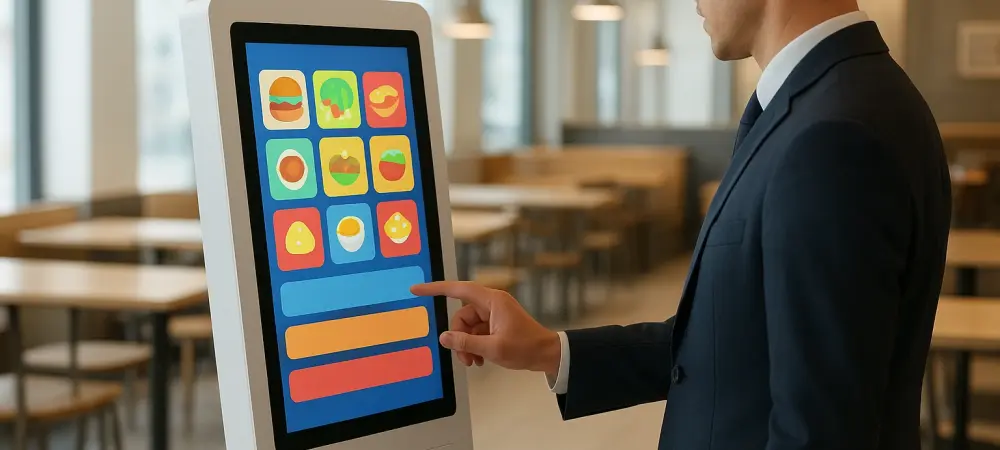
The removal of friction from the ordering process through intuitive technology allows the human element of hospitality to return to the forefront of the quick-service dining experience. In the current landscape of the restaurant industry, digital tools have evolved beyond mere administrative back-office functions to become the primary interface between a brand and its patrons. Consumers now expect a high degree of personalization and speed, yet they still crave the warmth of a traditional dining encounter. When technology is implemented without a focus on the customer journey, it often results in a sterile environment that alienates long-term fans. Modern operators are finding that the most effective way to innovate is to view every software update and hardware upgrade through the lens of user experience. This methodology prevents the creation of operational silos where technology exists for its own sake rather than for solving genuine pain points for the hungry guest.
Integrating Digital Infrastructure for Seamless Guest Operations
Synchronizing Multi-Channel DatThe End of Isolated Silos
The rapid adoption of mobile ordering, self-service kiosks, and third-party delivery platforms has created a complex web of touchpoints that can easily become fragmented if not managed by a unified strategy. When a brand treats its drive-thru system as a separate entity from its mobile application, the resulting data silos prevent a holistic view of the customer’s preferences. This fragmentation often leads to technical glitches where a loyalty reward earned on one platform is not recognized on another, causing immediate frustration for the user. In 2026, the traditional front counter represents only a fraction of total sales, making the digital reliability of off-premise channels the true metric of brand health. Successful restaurants are prioritizing integrated infrastructure that synchronizes menus and inventory in real-time across every possible interface. This cohesion ensures that the brand presents a single, reliable face to the world regardless of how a guest chooses to order.
Protecting Market Share: The Cost of Technical Friction
The economic consequences of a clunky or unreliable digital interface are no longer negligible but represent a clear threat to a restaurant’s bottom line and long-term viability. Market research indicates that diners are increasingly willing to abandon a brand after just a few instances of digital friction, such as a crashing app or a confusing kiosk layout. In a hyper-connected social media environment, a single bad experience can be broadcast to thousands of potential customers instantly, causing lasting damage to a brand’s reputation that is difficult and expensive to repair. Reliability has become the modern substitute for trust, and consistency across every transaction is the baseline requirement for building durable loyalty. By investing in technology that works flawlessly behind the scenes, organizations can protect their revenue streams from the churn associated with technical failure. The goal is to make the technology so seamless that it becomes invisible, allowing the brand’s quality to shine through.
Maximizing Operational Success Through Workforce Empowerment
Supporting the Modern Crew: Systems as Silent Partners
While guest satisfaction is the primary driver for innovation, the impact of intuitive system design on the restaurant workforce is equally critical for maintaining high operational standards. When digital tools are poorly designed or prone to frequent breakdowns, they force staff members to spend their shifts troubleshooting hardware rather than serving food. This technical stress is a significant contributor to high turnover rates in the industry, as employees feel overwhelmed by the need to manage logistics rather than practicing hospitality. High-quality infrastructure removes this operational noise, allowing employees to step away from repetitive data entry tasks and focus on the guest. By automating the heavy lifting of order accuracy and payment processing, brands can transform their workers from simple order-takers into experience makers. When the staff is supported by reliable technology, they have more mental energy to engage in the positive interactions that define a memorable dining experience.
Enhancing the Human Element: AI Beyond Simple Automation
The integration of predictive intelligence and visual confirmation tools represented a significant step toward future-proofing the quick-service model while maintaining a human touch. Operators who prioritized the implementation of AI-driven systems found that these tools were most effective when used to reduce cognitive load rather than just to maximize upselling. By using confirmation screens and voice-recognition software in the drive-thru, restaurants successfully lowered error rates while shortening wait times for every vehicle. To maintain this momentum, brands established rigorous testing protocols for all new digital interfaces to ensure they remained accessible and intuitive for diverse user groups. Leaders also implemented ongoing training programs that helped staff leverage these tools to personalize interactions with returning guests. This proactive strategy of customer-centric innovation proved that the most sophisticated technology was that which simplified the user’s life while reinforcing the brand’s commitment to service.