

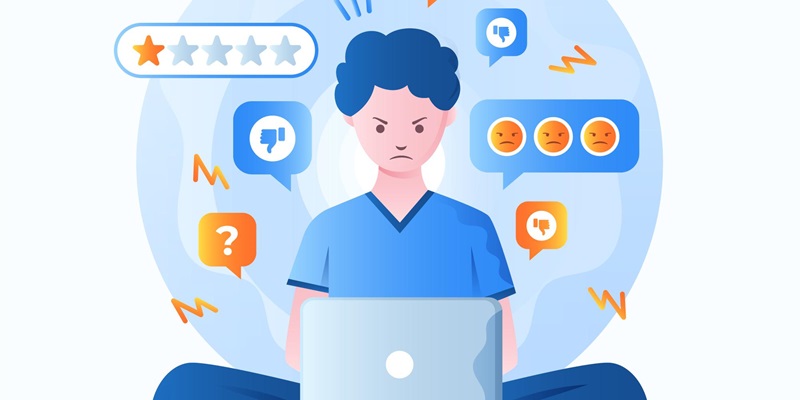
In today’s highly competitive business landscape, understanding your target audience is crucial for driving successful customer acquisition and delivering an exceptional customer experience. While positive personas help you identify and focus on the right customers, negative personas play an equally important role by identifying individuals or organizations unlikely to become customers or clients. In this article, we will explore the concept of negative personas, their creation process, and the significant impact they have on optimizing customer experience strategies and improving customer acquisition effectiveness.
Creating Negative Personas
To build effective negative personas, businesses must delve into comprehensive analysis and understanding of specific characteristics, behaviors, needs, preferences, and demographics of those who are not a good fit for their offerings. By carefully examining this group, businesses gain valuable insights into which aspects of their product or service are not aligned with the needs and desires of these individuals. This understanding helps companies shape their marketing messages, content, and overall experiences to target and resonate with their ideal customers more effectively.
Role in Designing a More Efficient and Effective Experience
Negative personas streamline the design process of customer experiences by enabling businesses to prioritize and allocate resources appropriately. By identifying individuals or groups who are unlikely to convert into customers, companies can focus their efforts and resources on initiatives that align with the preferences and needs of their ideal customers. This ensures that the customer experience design is tailored specifically for those who are most likely to engage, convert, and become loyal brand advocates.
Resource Allocation Efficiency
One of the key benefits of negative personas is their ability to help businesses allocate resources more efficiently. By not wasting time, money, and effort on targeting individuals or groups that are less likely to convert into customers, companies can optimize their resource allocation and use it more effectively. This strategic approach allows businesses to redirect their resources towards activities that generate higher returns, such as refining marketing campaigns, improving product development, or enhancing customer support.
Negative personas give businesses the power to create more personalized and relevant marketing messages, content, and experiences. By understanding and excluding individuals who do not align with their target demographic or customer profile, companies can tailor their strategies to resonate with the specific needs, preferences, and pain points of their ideal customers. This level of personalization enhances customer engagement, loyalty, and conversion rates, ultimately leading to better business outcomes.
Data-Driven Decision-Making
Developing negative personas requires robust data analysis and research. This disciplined approach allows businesses to make more informed and data-driven decisions for their customer experience strategies. By utilizing data insights, businesses can identify patterns, trends, and outliers among individuals who are unlikely to become customers. This knowledge empowers organizations to refine their strategies, adapt their messaging, and optimize their overall customer experience to cater to the needs of their target audience more effectively.
Waste Reduction
One of the most significant advantages of using negative personas is their ability to reduce waste across various business functions. By excluding individuals or organizations that are not a good match for their offerings, businesses can minimize waste in advertising spend, product investments, and staff time. This efficient resource allocation allows organizations to focus their efforts on acquiring and serving customers who are more likely to generate revenue and contribute to the growth of the business.
Enhanced Customer Experience
Customer experience plays a pivotal role in building successful relationships with customers. By excluding irrelevant or uninterested prospects from marketing campaigns and product or service design work, businesses can ensure that their efforts are directed towards enhancing the overall customer experience. This exclusivity allows organizations to be more attentive to the needs and preferences of their target audience, resulting in a more personalized and satisfying experience at every touchpoint.
Alignment with Business Goals
Negative personas act as a compass, guiding product, marketing, and sales efforts towards the achievement of overall business goals. By accurately identifying and understanding individuals who are unlikely to convert into customers, organizations can align their strategies and efforts with the specific objectives of the business. This alignment ensures that resources are utilized in a manner that supports the growth, profitability, and sustainability of the company.
Negative personas are an invaluable tool in optimizing customer experience strategies, saving resources, and improving the overall effectiveness of customer acquisition efforts. By analyzing and understanding individuals or organizations unlikely to become customers, businesses gain insights that enable them to prioritize resource allocation, craft more personalized messages, and align strategies with business goals. Ultimately, the effective implementation of negative personas leads to enhanced customer experiences, increased conversion rates, and sustained business growth in today’s competitive marketplace. Utilizing negative personas is fundamental for businesses committed to delivering exceptional customer experiences and achieving customer acquisition success.