

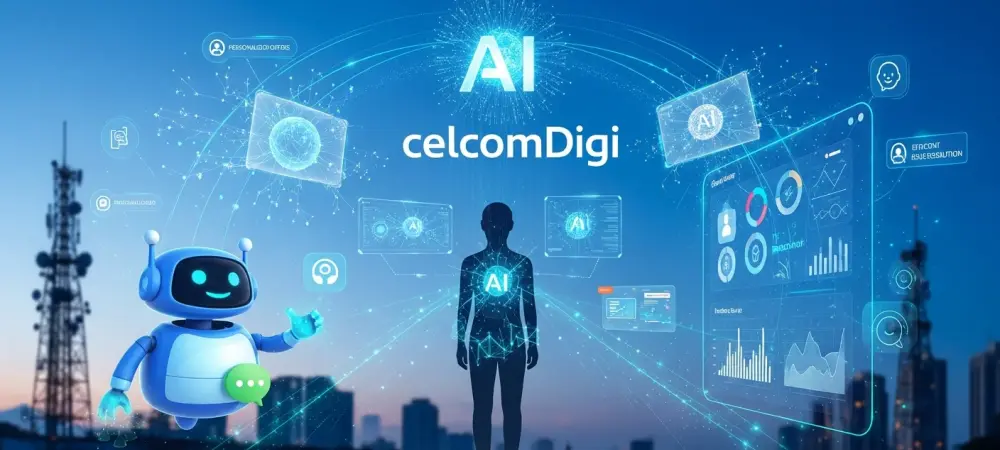
The massive telecommunications landscape often struggles with the friction of wait times and complex resolution protocols that frustrate modern consumers who demand immediate results. CelcomDigi has addressed this challenge head-on by fundamentally overhauling its customer experience model through the integration of advanced artificial intelligence and automated systems. This strategic transformation aims to create a unified ecosystem that seamlessly connects digital platforms, retail outlets, and contact centers across a user base exceeding 20 million customers. By redesigning the customer journey, the company moved toward a model characterized by faster resolutions and more personalized interactions that anticipate needs rather than just reacting to complaints. The primary objective of these initiatives remained the reduction of wait times and the simplification of daily interactions, providing more flexible service options for a diverse population. This evolution represents a significant departure from traditional service silos, favoring a cohesive strategy where data-driven insights inform every single touchpoint.
Seamless Integration of Physical and Digital Touchpoints
A central theme of this initiative is the emphasis on connected support across diverse service channels to address varying consumer preferences. To achieve this, the company introduced several targeted programs like the Express Lane feature, which allows in-store customers to bypass traditional queues by scanning a QR code. This action connects them immediately with remote specialists via WhatsApp or voice calls, effectively bridging the gap between physical retail and digital assistance. This hybrid approach ensures that the physical presence of a store serves as a gateway to high-speed digital solutions, rather than a bottleneck for service delivery. By leveraging mobile connectivity within the retail environment, the provider effectively reduced the physical footprint of waiting areas while increasing the throughput of resolved inquiries. Such innovations demonstrate a commitment to utilizing existing smartphone technology to enhance the efficiency of traditional brick-and-mortar operations, creating a more fluid experience for users who value both physical access and digital speed.
Beyond high-speed digital lanes, the company prioritized specialized care through programs like PremierCARE for eligible postpaid subscribers and dedicated support for senior citizens. This focus on inclusivity ensures that the technological shift does not leave behind demographics that may find digital navigation more challenging than others. For senior citizens aged 60 and above, the specialized assistance focuses on helping them navigate digital applications with greater confidence, ensuring they can access essential services without frustration. This approach recognizes that true digital transformation must be accessible to all segments of society, regardless of their technical proficiency. By providing dedicated human-led guidance for complex app features, the organization maintained a high level of trust while encouraging the adoption of self-service tools. This balance between high-tech AI systems and high-touch human interaction allowed for a smoother transition into a more automated environment. The strategy highlighted the importance of empathy in customer service, proving that automation can be used to free up resources for those who need personalized attention the most.
Technical Architecture and Intelligent Automation
The technological backbone of this shift involves several AI-powered tools designed to streamline the user experience from the moment of first contact. The One Number for All initiative simplified communication by providing a single point of entry for both voice calls and WhatsApp messages, eliminating the confusion of multiple helpdesk numbers. Supporting this infrastructure is the SPARK AI chatbot, which handles routine inquiries instantly and accurately, allowing human agents to focus on more complex problem-solving tasks. This intelligent assistant processes a vast array of common requests, from billing questions to data plan upgrades, with a precision that minimizes the need for escalation. As the AI engine learns from every interaction, it becomes increasingly adept at identifying intent and providing relevant solutions in real-time. This shift toward intelligent automation not only improved the speed of service but also enhanced the consistency of the information provided to the customer. By centralizing the logic of customer interactions within a sophisticated AI framework, the provider ensured that every user received the same high standard of care regardless of the communication channel they chose.
Another significant improvement is the implementation of automated device unblocking, which restores service within minutes of a payment being settled. Previously, this process required manual customer requests and agent intervention, leading to delays and dissatisfaction for users who had already fulfilled their financial obligations. The new system leverages real-time data synchronization between billing platforms and network access controls to trigger automatic restoration as soon as the transaction is verified. This reduction in manual friction exemplifies the broader goal of creating a zero-touch service environment where basic needs are met without the customer needing to ask. Furthermore, the use of predictive analytics allows the system to identify potential issues before they impact the user, such as preemptive notifications regarding plan limits or network maintenance in specific areas. These proactive measures transformed the relationship between the provider and the subscriber from a reactive troubleshooting cycle into a partnership built on reliability. The focus on removing unnecessary steps in the customer journey demonstrated a clear understanding of the value of consumer time, reinforcing the brand’s position as a forward-thinking leader in the telecommunications industry.
Strategic Outcomes and Future Operational Readiness
The implementation of these AI-driven strategies yielded measurable improvements in operational efficiency and customer satisfaction metrics. Internal reports indicated a 25% reduction in average resolution times, while 37% of inquiries were successfully handled through digital self-service channels without human intervention. These results reflected an overarching trend toward customer empowerment and responsiveness that defined the company’s trajectory from 2026 to 2028. Chief Customer Experience Officer Lau Yin May noted that the goal was always to meet the always-on expectations of modern consumers through a balanced approach to automation. Organizations looking to replicate this success should focus on building robust data pipelines that can support real-time AI decision-making across all customer-facing platforms. Future considerations should prioritize the ethical use of consumer data and the continuous refinement of AI models to ensure they remain unbiased and effective. The transition from reactive troubleshooting to a proactive, predictive service environment established a new benchmark for the industry. Companies must now view AI not just as a cost-saving tool, but as a primary driver of long-term consumer trust and brand loyalty in an increasingly competitive digital marketplace.